Remove Gel Polish Safely at Home

How to Remove Gel Polish Safely at Home (Without Damaging Nails)

Spread the love

Gel polish removal is where most nail damage happens—not from wearing gel, but from taking it off incorrectly. The temptation to peel or pick at lifting gel is strong, but giving in to that urge can strip away layers of your natural nail, leaving them thin, weak, and damaged for months. The good news is that safe, proper gel removal at home is completely achievable with the right supplies, technique, and most importantly, patience. You don’t need professional training or expensive equipment—just quality supplies and the commitment to follow the process correctly. This guide walks you through safe gel removal step-by-step, explains what products work best, and shows you how to care for your nails afterward so they stay healthy and strong.

Why Proper Removal Matters

Understanding what goes wrong with improper removal helps motivate you to do it right. Gel polish bonds tightly to your natural nail through chemical adhesion. When cured under UV or LED light, the gel molecules cross-link with each other and grip your nail surface. This strong bond is what makes gel last so long.

Peeling or picking off gel doesn’t just remove the polish—it tears away the top layers of your natural nail plate along with the gel. Your nails are made of thin keratin layers bonded together, and aggressive gel removal separates these layers. The result is nails that are thin, weak, prone to peeling, and take months to fully recover.

Even gentle peeling causes damage. If gel is lifting at the edges and you think you can carefully peel just that piece, you’re still removing nail layers. The gel takes parts of your natural nail with it every time, no matter how gentle you are.

Proper removal with acetone and time dissolves the gel’s chemical bonds, allowing it to slide off without taking your natural nail with it. This method is completely safe and leaves your nails in good condition. The only downside is that it takes time—20 to 30 minutes—which is why people look for shortcuts. Those shortcuts always damage nails.

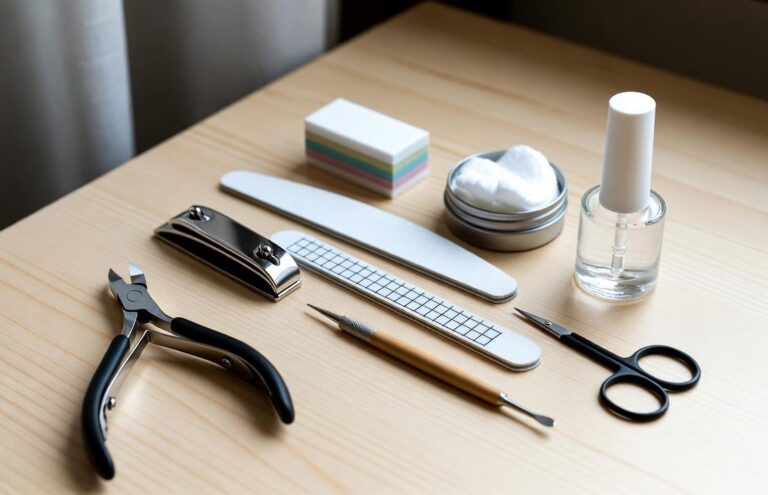
Essential Supplies for Safe Removal

Having the right supplies makes safe removal easy and effective. These items create the optimal conditions for gel to break down and remove cleanly.

Pure acetone is essential—not nail polish remover that contains acetone, but 100% pure acetone. Regular remover isn’t strong enough to break down gel polish effectively. Pure acetone is available at beauty supply stores, drugstores, and online retailers. Buy a large bottle if you do gel manicures regularly.

Cotton pads or balls hold acetone against your nails during soaking. Cotton pads work slightly better than balls because they conform to the nail shape more easily. You’ll need 10 pieces minimum, one for each nail.

Aluminum foil creates a seal that keeps acetone from evaporating and maintains contact with the gel. Pre-cut 10 pieces, each about 3×3 inches—large enough to wrap around a fingertip. Some people prefer pre-made foil wraps or clips designed specifically for gel removal, which are reusable and convenient.

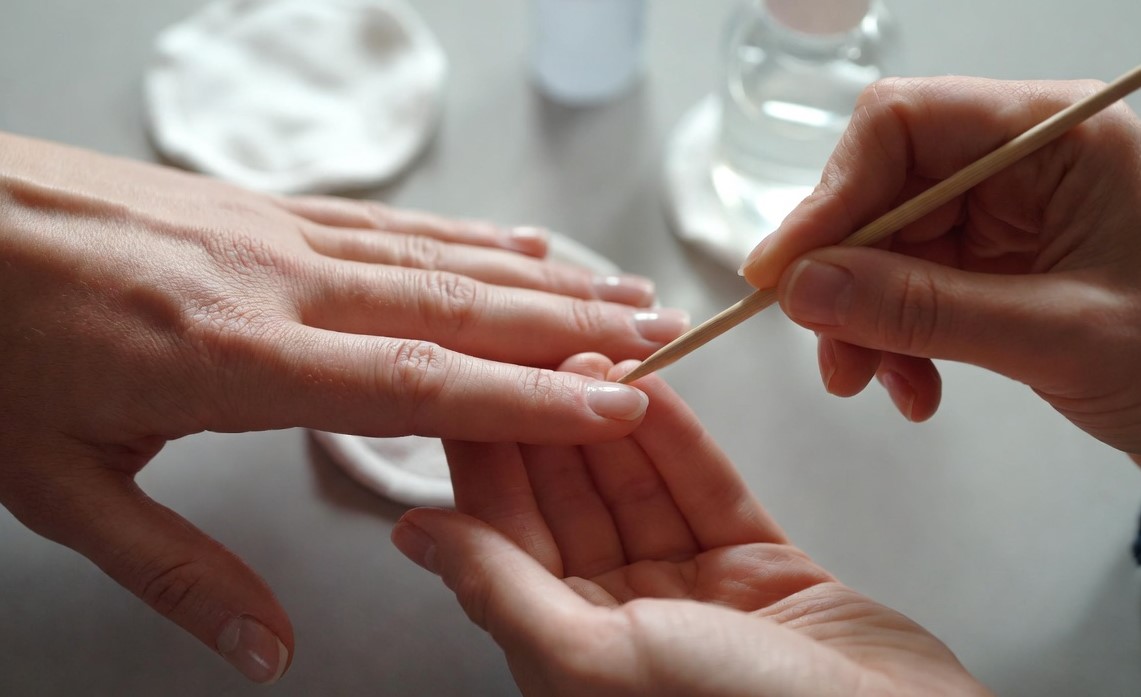
Wooden cuticle sticks or orange sticks gently push off softened gel without scratching your natural nail. Never use metal tools for this step—they’re too harsh and can damage nails. Have several sticks available since they may become saturated with gel residue.

Cuticle oil or hand cream for post-removal care is essential. Acetone is extremely drying, and immediate moisturizing after removal prevents nails from becoming dehydrated and brittle.

Optional but helpful items include a nail buffer for smoothing any residual texture, nail file for shaping after removal, and a small bowl if you prefer the bowl soak method. Gel removal clips or wraps make the process more convenient than manual foil wrapping.

The Safe Removal Process: Step by Step

Follow this process exactly for safe, damage-free removal. Skipping or rushing steps increases the chance of nail damage.

Step 1: File the top coat. Use a nail file to gently file the shiny top layer of your gel manicure. This breaks the seal and allows acetone to penetrate the gel layers more effectively. File just enough to dull the shine—you don’t need to file down to bare nail or file aggressively. Light filing with a medium-grit file for 15-20 seconds per nail is sufficient.

This step significantly reduces soak time. Unfiled gel can take 20-30 minutes to break down, while filed gel may soften in 10-15 minutes. The filing creates microscopic openings that let acetone penetrate deeper.

Step 2: Soak cotton in acetone. Saturate cotton pads or balls with pure acetone. They should be thoroughly wet but not dripping excessively. Squeeze out any excess acetone—you want saturated, not swimming.

Step 3: Place cotton on nails. Position each acetone-soaked cotton piece on a nail, covering the entire nail surface. Make sure the cotton is in full contact with all gel areas, including around the cuticles and sides.

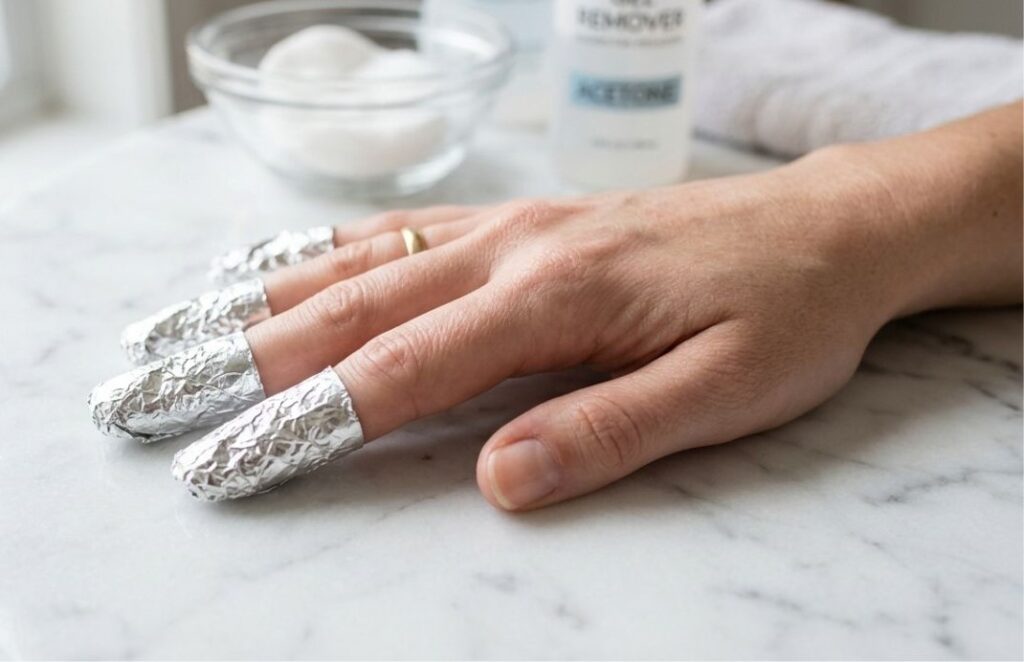
Step 4: Wrap in foil. Wrap each fingertip in aluminum foil, securing the cotton against the nail. The foil should be snug enough to hold the cotton in place but not so tight it’s uncomfortable. Start with your non-dominant hand so you have one free hand for the other side.

Wrap all ten nails, working quickly so the first nails wrapped don’t dry out before the last ones are done. Some people do one hand at a time for easier management.

Step 5: Wait patiently. This is the hardest step but the most important. Let your nails soak for 10-15 minutes minimum. Don’t rush this. Set a timer and resist checking early. The gel needs time to break down completely.

During this waiting period, the acetone dissolves the chemical bonds in the gel, causing it to soften and separate from your natural nail. Adequate soak time means gel slides off easily with minimal pressure. Inadequate soak time means you’ll need to scrape hard, which damages nails.

If you have thick gel, gel extensions, or multiple layers of gel, increase soak time to 15-20 minutes. Glitter gel or chunky toppers may need even longer.

Step 6: Remove foil and cotton. After the timer goes off, remove the foil and cotton from one nail to check progress. The gel should look lifted, wrinkled, or soft. If it looks unchanged, re-wrap and soak for another 5 minutes.

Step 7: Gently push off gel. Using a wooden cuticle stick or orange stick at a shallow angle, gently push the softened gel off your nail. It should slide off with minimal pressure. Push from cuticle to tip in smooth strokes.

If gel doesn’t come off easily, it needs more soak time. Don’t force it. Re-wrap that nail with fresh acetone-soaked cotton and wait another 5 minutes. Forcing gel off before it’s ready damages your natural nail.

Work on one nail at a time rather than unwrapping all ten and then trying to remove gel. Gel can start re-hardening once exposed to air, so immediate removal after unwrapping works best.

Step 8: Clean any residue. After removing the bulk of gel, there may be a thin residue remaining on your nails. Don’t scrape this aggressively. Instead, use a cotton pad with fresh acetone to gently wipe it away, or soak for another 2-3 minutes to fully dissolve it.

A nail buffer can remove the finest residue gently. Use light pressure and stop once nails feel smooth. Over-buffing thins your nails.

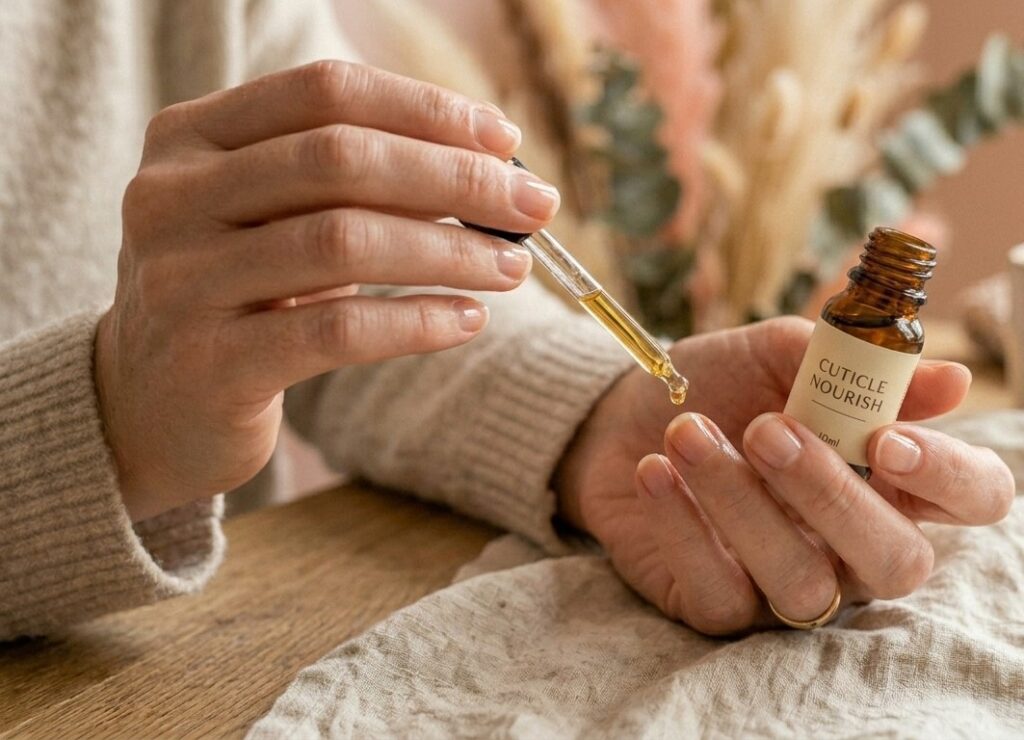
Step 9: Wash and moisturize. Once all gel is removed, wash your hands thoroughly with soap and water to remove acetone residue. Dry completely, then immediately apply cuticle oil to all nails and surrounding skin. Massage it in thoroughly.

Follow with a rich hand cream, paying special attention to nails and cuticles. This post-removal moisturizing is crucial for preventing the dryness and damage that acetone can cause.

Alternative Method: The Bowl Soak

Some people prefer soaking nails in a bowl of acetone rather than using the foil wrap method. This works but has pros and cons.

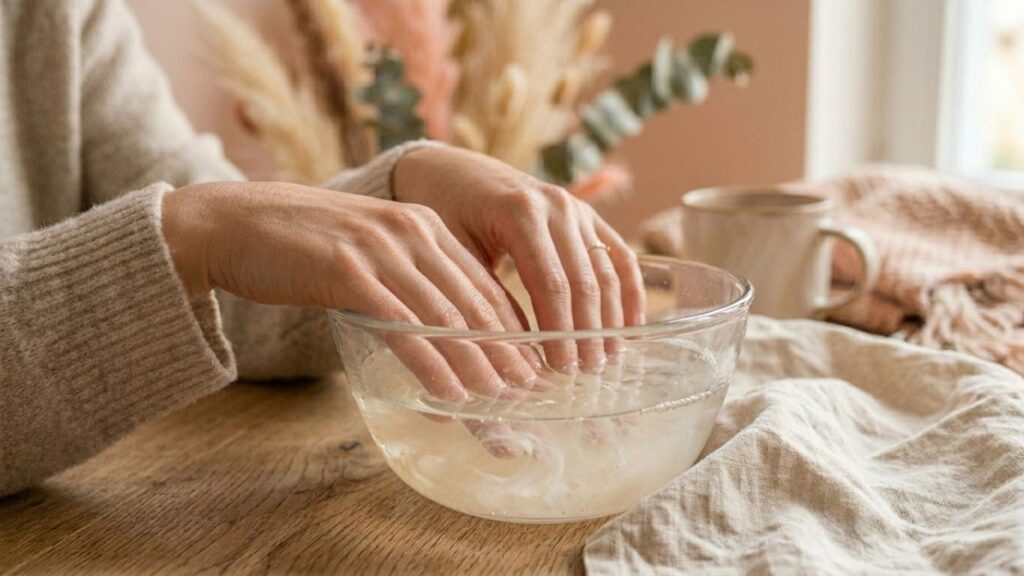
For the bowl method, file the gel top coat as described above. Fill a bowl with pure acetone—enough to submerge your fingertips. For extra effectiveness, place this bowl inside a larger bowl of warm water, creating a warm acetone bath. Warmth helps acetone work faster.

Soak all five fingertips in the acetone for 15-20 minutes. You can gently agitate nails occasionally to help break up the gel. After soaking, remove one nail at a time and gently push off the softened gel with a wooden stick.

Pros of bowl method: Simpler than wrapping each finger, easy to check progress, can be faster than foil wraps.

Cons: Uses more acetone (wasteful and more expensive), your entire fingertip is exposed to acetone (not just the nail), acetone evaporates during soaking (reducing effectiveness), and you need two hands free (hard to do both hands simultaneously).

Most people find the foil wrap method more effective and less harsh on skin, but the bowl method works if you prefer it.

What NOT to Do: Common Mistakes

Avoid these removal mistakes that cause the majority of nail damage.

Never peel or pick gel off. This is the cardinal rule. No matter how tempting, no matter how much is already lifting, don’t peel it. Every time you peel, you damage your nails. If gel is lifting naturally after weeks of wear, still soak it off properly rather than helping it along by peeling.

Don’t use metal tools. Metal cuticle pushers, nippers, or scrapers are too hard and can gouge or scrape your natural nail. Wooden tools are gentle enough for safe removal.

Don’t scrape hard. If you need significant pressure to remove gel, it needs more soak time. Gel that’s ready to come off slides away with minimal force. Scraping hard means the gel hasn’t broken down sufficiently.

Don’t skip filing the top coat. While you can remove gel without filing, it takes much longer. Filing the seal allows faster, more effective acetone penetration.

Don’t rush the soak time. Ten minutes might feel like forever, but it’s necessary. Checking at 5 minutes and trying to remove gel that’s not ready causes damage.

Don’t use regular nail polish remover. Even remover labeled “with acetone” isn’t pure acetone and won’t effectively break down gel. You’ll soak forever without results, then likely give up and peel.

Don’t dig under lifting edges. When gel starts lifting at the sides or tips, resist the urge to slide a tool underneath and pry. This tears your natural nail. Soak it properly instead.

Special Situations and Troubleshooting

Sometimes standard removal doesn’t work perfectly. Here’s how to handle special situations.

For gel that won’t come off: If you’ve soaked for 15 minutes and gel is still firmly attached, lightly file the surface again to create more openings, apply fresh acetone-soaked cotton, and soak for another 10 minutes. Some gel formulas are more resistant and need extended soak times.

For gel extensions or thick builds: These require longer soak times because there’s more gel to break down. Start with 20 minutes and add time as needed. You may need to remove the bulk of the extension, then soak again to remove gel on the natural nail.

For glitter gel: Glitter particles create barriers that make acetone penetration difficult. File the top layer more thoroughly to break up the glitter barrier, then soak for extended time—potentially 25-30 minutes.

For gel on damaged or thin nails: If your nails are already damaged from previous improper removal, be extra gentle. Damaged nails are more vulnerable, so even proper removal can feel harsh. Soak for slightly less time and be especially gentle when pushing off gel. Consider giving your nails a break from gel until they recover.

If acetone causes skin irritation: Some people’s skin is sensitive to acetone. Apply petroleum jelly or thick hand cream around your nails before wrapping to create a barrier. This protects skin while still allowing acetone to contact nails. If sensitivity is severe, consider having gel removed professionally.

Post-Removal Nail Care

Your nails need extra care immediately after gel removal because acetone is harsh and drying. This care prevents damage and keeps nails healthy.

Moisturize intensively for the first 24-48 hours after removal. Apply cuticle oil at least three times daily. Use rich hand cream after every hand washing. This replaces the moisture acetone stripped away.

Give nails a break before your next gel application. Wait at least a few days, preferably a week, between removing gel and applying a new set. This allows nails to rehydrate and recover. If nails look dry, thin, or damaged, wait longer—potentially several weeks.

Use a strengthening treatment if nails feel weak after removal. Products like OPI Nail Envy or similar strengtheners help rebuild nail structure. Apply according to product directions for 1-2 weeks before reapplying gel.

Keep nails short immediately after removal if they feel weak. Shorter nails are less likely to break while recovering. You can grow them longer once they’ve strengthened.

Avoid harsh activities for a few days. Wear gloves for wet work and be gentle with your nails while they recover from acetone exposure.

How Often Should You Remove Gel?

You can wear gel continuously if you remove and reapply properly, but periodic breaks benefit nail health. Most experts recommend removing gel every 2-3 applications for a break. This might mean wearing gel for two months, then taking a month off.

During breaks, focus on nail recovery: daily cuticle oil application, weekly strengthening treatments, keeping nails shorter and protected, and avoiding harsh chemicals and excessive water exposure.

Some people alternate between gel and regular polish, which provides built-in recovery time. Gel for several weeks, then regular polish for a few weeks, then back to gel. This cycle prevents cumulative acetone exposure damage.

Making Removal Easier Next Time

Certain practices during gel application make future removal easier and safer.

Don’t apply gel too thickly. Thick gel layers take much longer to break down during removal. Thin, properly cured coats remove more easily while lasting just as long.

Cap edges carefully. Gel applied too thickly at the free edge is harder to remove. Thin, even application everywhere prevents removal challenges.

Address lifting immediately. If gel starts lifting during wear, don’t wait until your scheduled removal. Lifting gel allows moisture underneath, which can damage nails. Remove gel as soon as significant lifting occurs.

Consider easier-removal gel brands. Some gel polish systems are formulated for easier soak-off removal. If you struggle with removal, research brands known for easier removal and consider switching.

Use quality gel products. Cheap gel polish sometimes doesn’t cure properly or is harder to remove. Quality brands cure correctly and break down predictably during removal.

Professional Removal: When to Consider It

Sometimes professional removal is the better choice. Consider salon removal if you’re very short on time and can’t dedicate 30 minutes, you’ve never removed gel before and want to see proper technique, your nails are already damaged and you’re worried about causing more harm, you have gel extensions or complex nail art that seems complicated to remove, or you’re experiencing pain or infection around nails.

Professional removal uses the same acetone soak method but benefits from technician experience. They can assess nail condition, remove gel safely, and provide advice on nail health. The cost is worthwhile occasionally, especially if you’re unsure about DIY removal.

However, once you’ve mastered the technique, home removal is perfectly safe and saves significant money over time.

Products That Make Removal Easier

Several products simplify or improve the gel removal process.

Gel removal clips or wraps replace aluminum foil and hold cotton in place more securely. Reusable clips are economical over time and easier to use than foil. They create better seal and are less fiddly than wrapping each finger.

Pre-soaked removal pads come saturated with acetone and ready to use. These are convenient but more expensive per use than bulk acetone and cotton. Good for travel or quick removal when convenience outweighs cost.

Electric nail files can help remove the bulk of thick gel before soaking, reducing soak time. Use carefully—aggressive filing can damage natural nails. This is advanced technique, not recommended for beginners.

Cuticle oil pens make post-removal moisturizing convenient. Keep one handy and apply frequently after removal.

Strengthening treatments specifically formulated for post-gel nails help recovery. Look for products with keratin, protein, and moisturizing ingredients.

The Bottom Line

Safe gel polish removal requires patience, proper supplies, and correct technique. The process takes 20-30 minutes but prevents the months of damage that improper removal causes. Never peel or pick gel off, no matter how tempting. Always use pure acetone and adequate soak time. Be gentle when removing softened gel, and never force it.

Immediately moisturize nails after removal and provide intensive care for at least 24 hours afterward. Give nails periodic breaks from gel to prevent cumulative damage from repeated acetone exposure.

The supplies needed—pure acetone, cotton, foil or clips, and wooden sticks—are inexpensive and readily available. The time investment is modest. The reward is healthy nails that can enjoy gel manicures indefinitely without damage.

Master proper gel removal and you can enjoy beautiful gel nails without the nail damage that gives gel polish a bad reputation. That damage isn’t from the gel itself—it’s from improper removal. Remove gel correctly every time, and your natural nails will stay strong, healthy, and ready for your next gorgeous manicure.


How do you remove your gel polish? Have you found any tricks that make the process easier or faster? Share your removal tips and experiences in the comments!


Spread the love

Similar Posts

Leave a Reply

Your email address will not be published. Required fields are marked *