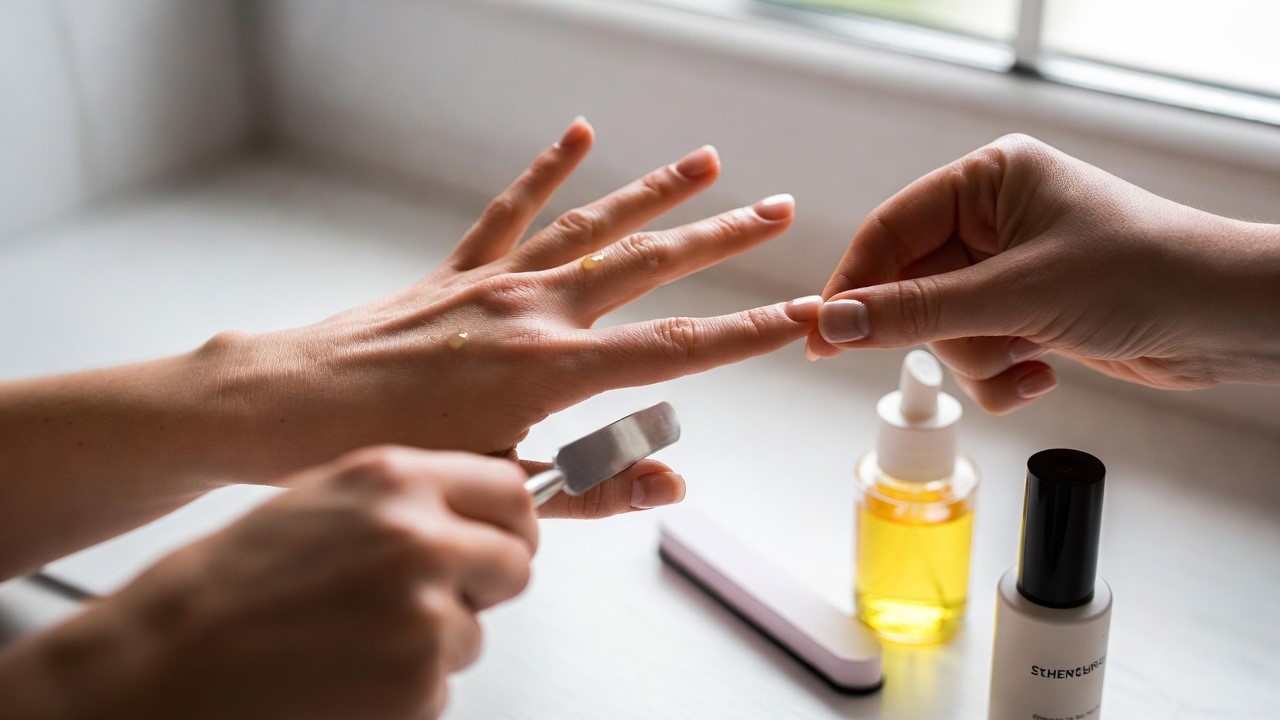
The Ultimate Nail Care Routine (Step-by-Step)
Beautiful nails don’t happen by accident—they’re the result of consistent care and proper technique. Whether you’re dealing with damaged nails, trying to grow them longer, or simply want to maintain healthy, attractive nails, having a structured routine makes all the difference. The problem is that most people either do too little (occasional filing and polish) or follow incomplete advice that addresses only part of nail health. This comprehensive routine covers everything your nails need—daily maintenance, weekly treatments, monthly deep care, and the habits that support long-term nail health. Follow this complete system and you’ll see dramatic improvement in nail strength, growth, appearance, and overall health within just a few weeks.
Understanding Your Nail Care Needs
Before diving into routines, understanding your nail type and condition helps you customize the approach. Your nails might be naturally strong and healthy, requiring only maintenance, or weak and damaged, needing intensive repair. They could be dry and brittle, soft and bendy, prone to peeling, or dealing with ridges or discoloration.
Assess your current nail condition honestly. Look at your bare nails without polish. Note any peeling, splitting, ridges, discoloration, or areas of damage. Check your cuticles—are they dry and ragged, or healthy and smooth? How quickly do your nails grow? How easily do they break?
This assessment helps you understand which parts of the routine need emphasis. Damaged nails need more intensive daily care. Healthy nails need consistent maintenance to stay that way. Everyone benefits from the full routine, but you’ll adjust frequency and intensity based on current nail condition.
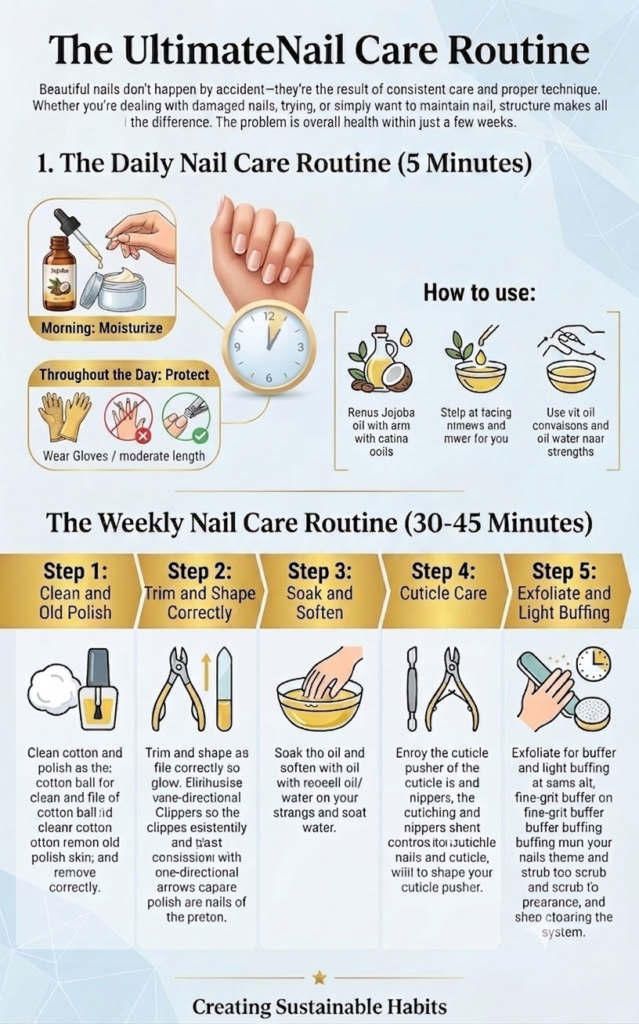
The Daily Routine (5 Minutes)
Daily care is the foundation of nail health. These quick habits take minimal time but produce maximum results when done consistently.
Morning: Moisturize
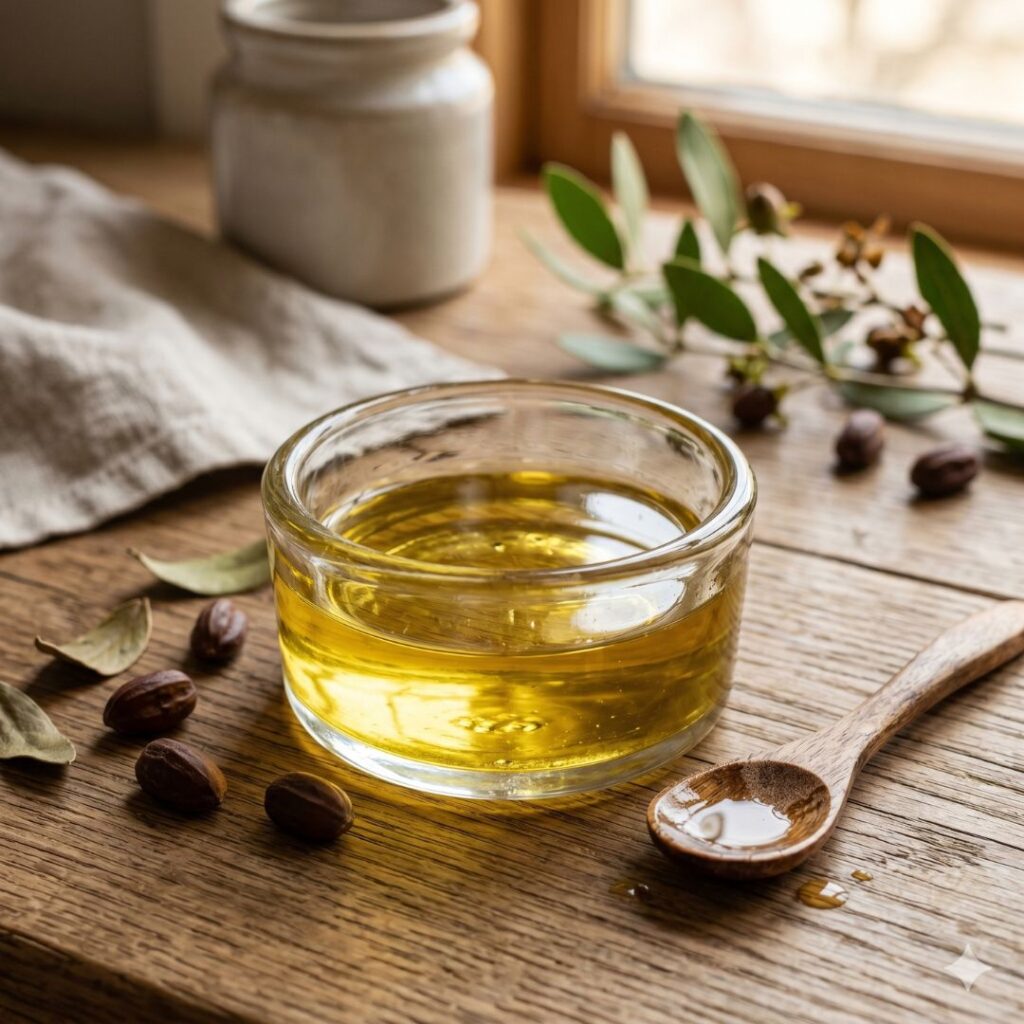
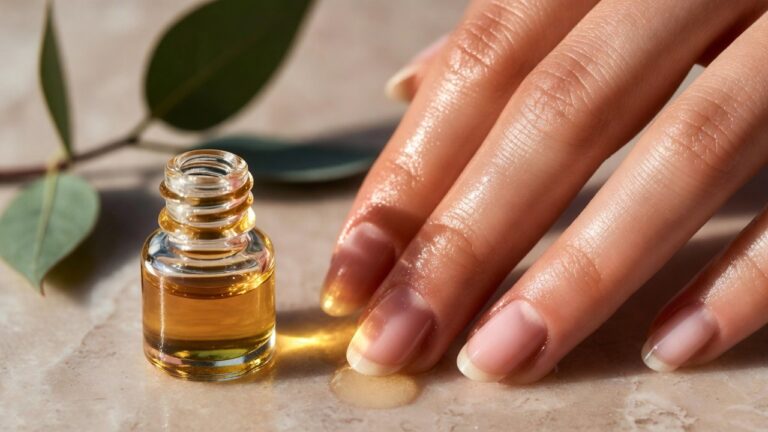
Apply cuticle oil to all nails and cuticles first thing after washing your face. This is the single most important daily habit for nail health. Massage the oil into your entire nail plate, cuticles, and surrounding skin for 30 seconds per hand. Use jojoba oil, vitamin E oil, sweet almond oil, or a quality commercial cuticle oil blend.
Follow with hand cream, working it into your nails and cuticles as well as your hands. This one-two punch of oil and cream provides comprehensive moisture that prevents brittleness, peeling, and breakage.
Throughout the Day: Protective Habits
Wear gloves for any wet work—dishes, cleaning, excessive hand washing beyond normal hygiene. Water exposure is one of the biggest causes of nail damage through the expansion-contraction cycle.
Reapply cuticle oil midday. Keep a small bottle or pen applicator at your desk, in your purse, or wherever convenient. A quick application takes 30 seconds and maintains moisture throughout the day.
Apply hand cream after every hand washing. Most people wash hands 5-10 times daily, which strips moisture. Replacing it immediately prevents cumulative drying.
Don’t use your nails as tools. Open packages with scissors, not nails. Use your fingertips for typing and phone use, not nail tips. Every time you use nails as tools, you create micro-damage that accumulates.
Evening: Deep Moisture
Apply cuticle oil again before bed. Nighttime application allows maximum absorption during the 7-8 hours you sleep. Your nails can focus on repair and regeneration without exposure to water, chemicals, or other stressors.
For intensive treatment, apply a thick layer of cuticle oil or a rich cuticle cream, then wear cotton gloves overnight. This creates an intensive moisture treatment that dramatically improves nail and cuticle condition. Do this 2-3 times per week minimum, nightly if nails are damaged.
Daily Supplements
If you’re taking biotin for nail health, take it at the same time daily—morning with breakfast works well. Consistency matters for supplements. The standard dose is 2.5 mg daily. Results take 2-3 months as you’re waiting for healthier nail to grow out.
Stay hydrated by drinking adequate water throughout the day. Nails are approximately 18% water, and chronic dehydration makes them brittle. Aim for eight 8-ounce glasses daily, more if you’re active.
The Weekly Routine (30-45 Minutes)
Weekly treatments provide deeper care than daily maintenance allows. Schedule this for a specific day so it becomes routine—many people choose Sunday evening as their weekly nail care time.
Step 1: Remove Old Polish (If Wearing)
Use acetone-free remover for regular polish or proper acetone soak for gel polish. Remove all traces of old polish, paying attention to edges and cuticles where color often hides. Clean nails thoroughly so you’re starting fresh.
Step 2: Trim and Shape (As Needed)
Trim nails with quality clippers only if they’ve grown beyond your desired length. Cut straight across for toenails, following the natural curve for fingernails. Don’t cut too short—leave a small margin of white free edge.
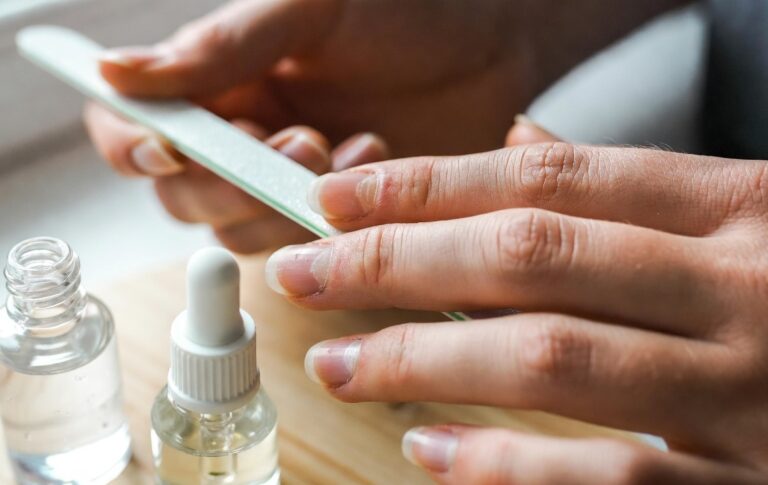
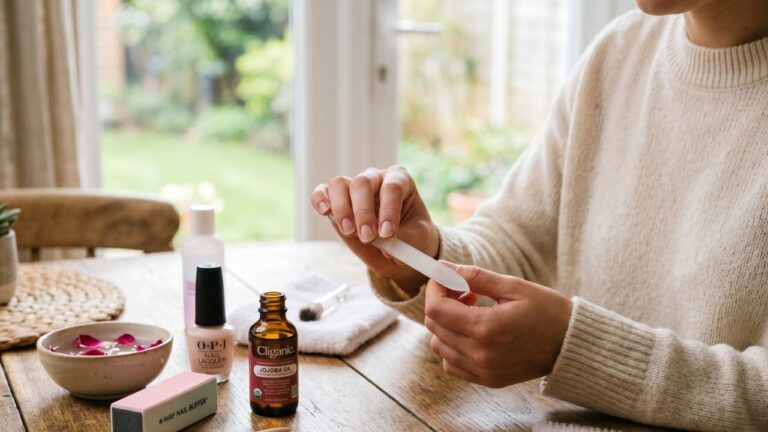
Shape nails with a glass file using one-directional strokes. File from the sides toward the center, never back and forth. Shape to your preferred style—square, round, oval, almond, or squoval (square with rounded corners). Keep the shape consistent across all nails for a polished look.
File only dry nails, never wet. Wet nails are vulnerable to damage and filing them causes splitting and peeling.
Step 3: Soak and Soften
Soak nails in warm water for 5 minutes to soften cuticles and clean under nails. Add a drop of gentle soap or a tablespoon of olive oil to the water for extra benefits. This soak makes cuticle work easier and more effective.
Alternatively, do a warm oil soak. Heat jojoba, olive, or coconut oil until comfortably warm, then soak fingertips for 15-20 minutes. This provides intensive moisture while softening cuticles. Many people prefer oil soaks for the superior moisturizing benefits.
Step 4: Cuticle Care
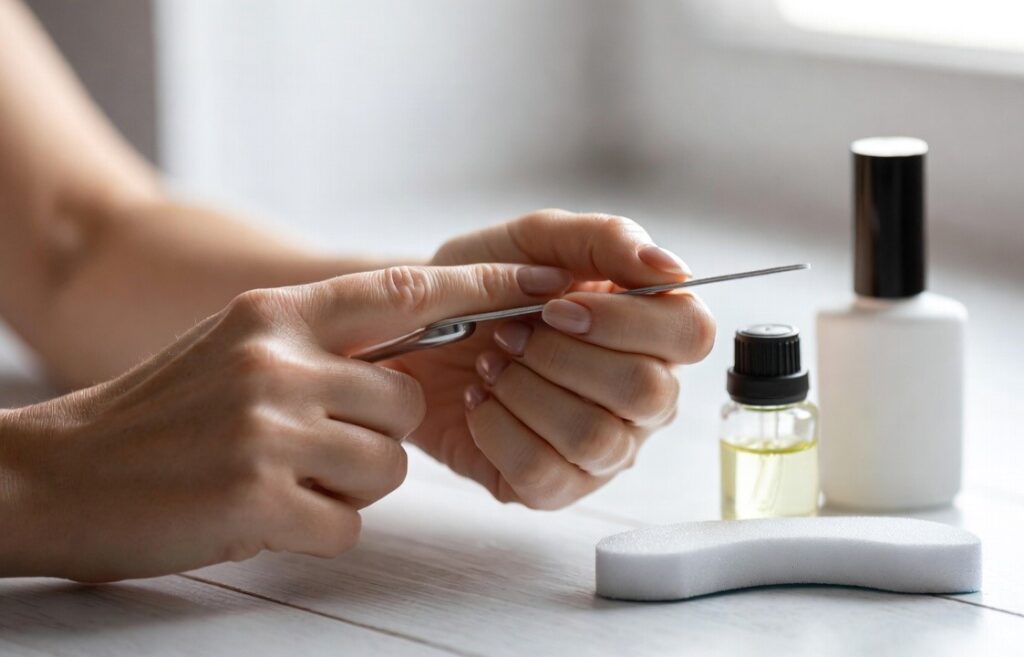
After soaking, use a cuticle pusher to gently push back cuticles. Work your way around each nail, pushing cuticles toward the base with light pressure. The goal is to reveal more nail plate and create a clean canvas, not to aggressively remove cuticles.
If you have hangnails or loose dead skin, carefully trim with cuticle nippers. Only remove already-detached pieces—never cut living cuticle tissue. Most people can skip nippers entirely if cuticles are regularly pushed back and moisturized.
Apply cuticle remover gel if cuticles are particularly stubborn or overgrown. These products chemically dissolve dead cuticle tissue, making removal easier. Follow product directions—usually apply, wait 2-3 minutes, then push back and rinse.
Step 5: Exfoliate and Buff
Very gently buff the nail surface if you have ridges or rough texture. Use a fine-grit buffer (240+ grit) with light pressure. Buff just enough to smooth the surface—don’t aggressively file down your nail plate. Over-buffing thins nails and causes weakness.
Buff each nail for no more than 15-20 seconds. You should see surface smoothness but not dramatic thinning. Buff only once every 2-3 weeks, not weekly, unless nails are very ridged.
Exfoliate hands and cuticles with a gentle scrub to remove dead skin. This creates smooth cuticles and hands that look professionally cared for. Rinse thoroughly after scrubbing.
Step 6: Deep Moisturizing Treatment
Apply a thick cuticle cream or intensive nail treatment. Massage it thoroughly into nails, cuticles, and hands for 2-3 minutes. This massage improves circulation to nail beds, which can support better growth.
For extra intensive treatment, apply vitamin E oil from pierced capsules directly to nails. The concentrated vitamin E provides healing and strengthening benefits.
Step 7: Strengthening Treatment (If Needed)
If your nails are weak, brittle, or damaged, apply a nail strengthener according to product directions. Products like OPI Nail Envy, Nailtiques Formula 2, or CND RescueRXx strengthen nails over time with consistent use.
Follow the product’s specific protocol—many involve applying multiple coats over a week, then removing and restarting. Consistency is key with strengtheners.
Step 8: Apply Polish (If Desired)
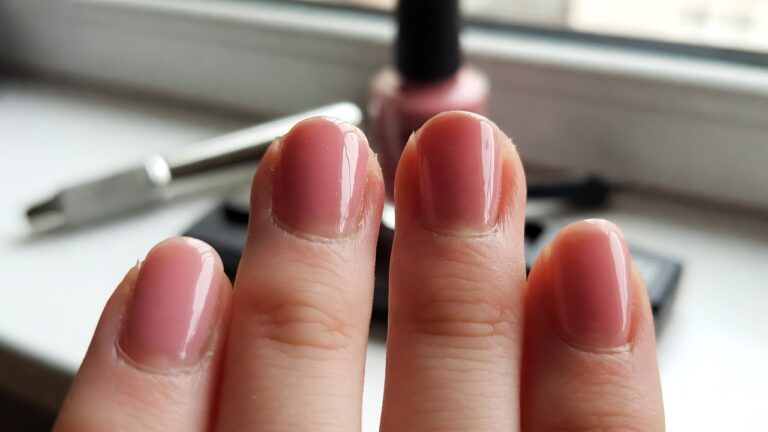
If you wear polish, this is the time for a fresh manicure. Apply base coat, two thin coats of color, and top coat. Allow adequate drying time between coats. Finish with quick-dry drops or spray if desired.
If you’re not wearing polish, apply one more layer of cuticle oil and let nails breathe. Polish-free weeks are beneficial for nail health.
The Monthly Routine (1-2 Hours)
Once a month, do an intensive treatment that goes beyond weekly care. This deep maintenance addresses issues weekly care might miss and provides preventative care.
Complete Cuticle Overhaul
Spend extra time on cuticle care. Do a longer soak (10-15 minutes), use cuticle remover gel, and meticulously push back and clean every bit of excess cuticle. The goal is perfectly clean, smooth cuticles with maximum nail plate exposed.
If you have persistent hangnails or ragged cuticles, consider using a cuticle trimmer more liberally this session. Still be conservative—only remove dead, detached tissue.
Deep Conditioning Treatment
Do an extended oil soak—20-30 minutes with warm oil. Use this time to relax, read, or watch TV. The extended soak provides intensive moisture penetration.
Alternatively, apply thick cuticle cream or petroleum jelly to nails and cuticles, then wear cotton gloves for 1-2 hours or overnight. This occlusive treatment locks in moisture for maximum absorption.
Assess and Address Damage
Examine each nail closely for signs of damage—splits, cracks, peeling, discoloration. Address specific issues with targeted treatments. Split nails might benefit from a silk wrap. Peeling nails need extra moisture. Discolored nails should be investigated—is it staining from polish or something more concerning?
Check nail growth and thickness. Are nails improving under your routine or staying the same? Adjust your routine based on progress.
Hand and Nail Mask
Use a hand and nail mask or make your own. Commercial masks provide intensive moisture and treatment ingredients. DIY options include mashed avocado with honey, yogurt with lemon juice, or coconut oil with vitamin E.
Apply generously, let sit for 15-20 minutes, then rinse. Your nails and hands will feel incredibly soft and nourished.
Professional Assessment (Quarterly)
Every 3-4 months, consider getting a professional manicure or consulting with a nail technician. They can assess nail health, identify issues you might have missed, and provide professional treatments like paraffin wax or specialized masks.
Professional input helps ensure you’re on the right track and not developing problems. Even if you do all your routine maintenance at home, occasional professional assessment adds value.
Protective Habits Throughout the Day
Beyond scheduled routines, certain habits protect your nail investment. Wear gloves for all household chores involving water or chemicals. This includes dishes, cleaning, gardening, and hair washing if you wash your own hair in the sink.
Keep nails at a moderate length. Very long nails are more prone to breaking and catching. Find the length where your nails stay strong and don’t constantly break.
Use nail-safe products. Choose acetone-free remover for regular polish. Avoid harsh chemicals when possible. Select gentle hand soaps rather than antibacterial formulas that strip oils.
Protect nails from extreme temperatures. Wear gloves in cold weather—cold makes nails brittle. Be cautious with very hot water, which can be dehydrating.
File regularly rather than letting nails get too long, then removing lots of length at once. Small, frequent adjustments are better for nail health than dramatic changes.
Nutrition for Nail Health
External care is crucial, but nails grow from within. Proper nutrition supports healthy nail growth and strength.
Protein is essential since nails are made of keratin protein. Include high-quality protein at every meal—eggs, fish, poultry, dairy, legumes, or plant proteins. Aim for at least 0.8 g/kg body weight, ideally higher.
Biotin supports nail growth and strength. Besides supplements, food sources include egg yolks, almonds, salmon, sweet potatoes, and avocados.
Iron deficiency commonly causes brittle, weak nails. Include iron-rich foods like red meat, fortified cereals, spinach, and lentils. Pair with vitamin C for better absorption.
Omega-3 fatty acids improve nail flexibility and moisture. Eat fatty fish twice weekly or take a quality fish oil supplement.
Zinc supports protein synthesis in the nail matrix. Good sources include oysters, beef, pumpkin seeds, and chickpeas.
Stay hydrated with adequate water intake throughout the day. Nail hydration starts from within.
Troubleshooting Common Issues
Adjust your routine to address specific nail problems. For peeling nails, increase oil application to 3-4 times daily, do oil soaks 3 times weekly, and avoid water exposure strictly.
For brittle nails, focus on moisture—oil, cream, overnight treatments, and hydration. Consider a humidifier in dry environments.
For weak, bendy nails, use a strengthening treatment consistently, ensure adequate protein intake, and keep nails shorter while building strength.
For slow growth, verify you’re getting adequate nutrients (protein, biotin, iron, zinc), improve circulation with hand massage, and ensure adequate sleep for repair and regeneration.
For ridges, gentle buffing provides temporary smoothing, but focus on supporting healthy new growth through good nutrition and nail care. Ridge-filling base coats help cosmetically.
For yellowing from polish, take breaks from dark colors, always use base coat, and try a whitening treatment like lemon juice diluted in water (once weekly, followed by moisturizing).
Seasonal Adjustments
Adjust your routine seasonally based on environmental factors. Winter requires extra moisture due to indoor heating and cold, dry air. Increase oil application frequency, use richer creams and treatments, and wear gloves outdoors to protect from cold and wind.
Summer often means more water exposure from swimming and outdoor activities. Be vigilant about glove use and reapplying moisture after water exposure. Sun exposure can affect nails too—some people apply sunscreen to hands and nails.
Spring and fall are transitional—maintain your standard routine but be ready to increase moisture as weather changes.
Creating Sustainable Habits
The key to nail health is consistency over perfection. A basic routine done daily beats an elaborate routine done occasionally. Start with the essential daily habits—morning and evening oil application, protective glove use, hand cream after washing.
Add the weekly routine once daily habits are established. Finally, incorporate monthly intensive treatments. Build gradually rather than trying to do everything at once and burning out.
Set reminders on your phone for oil application until it becomes automatic. Keep supplies visible and accessible—you’re more likely to use oil that’s sitting on your nightstand than oil buried in a drawer.
Take progress photos monthly to track improvement. Nail changes are gradual, and photos help you see progress that’s hard to notice day-to-day.
Products Worth Investing In
Certain products make the routine more effective and enjoyable. Quality cuticle oil—jojoba or a good commercial blend—is your most important purchase. Use it liberally and frequently.
A good glass nail file makes shaping easier and prevents damage. Unlike emery boards, it lasts indefinitely and creates smooth edges.
Quality base coat and top coat protect nails and extend polish wear. These are worth choosing carefully if you wear polish regularly.
Nail strengtheners specifically formulated for your nail type provide targeted treatment beyond basic care.
Cotton gloves for overnight treatments make intensive moisture therapy comfortable and effective.
A good hand cream you actually enjoy using ensures you’ll apply it consistently.
The Bottom Line
The ultimate nail care routine balances daily maintenance, weekly treatments, and monthly intensive care. Daily cuticle oil application, protective habits, and hand cream after washing form the foundation. Weekly routines provide deeper care—soaking, cuticle work, shaping, and treatments. Monthly sessions address issues weekly care misses and provide intensive conditioning.
Consistency matters more than perfection. Regular care with basic products beats sporadic care with expensive products. Start with daily oil application and protective habits. Add weekly treatments once those are habitual. Incorporate monthly intensive sessions as you’re ready.
Most people see noticeable improvement within 2-3 weeks of starting a consistent routine—nails feel stronger, cuticles look better, and growth improves. By 2-3 months, the transformation is dramatic as new, healthy nail grows out completely.
Your nails are worth the investment of a few minutes daily and slightly longer weekly sessions. The routine becomes second nature quickly, and the results—strong, healthy, beautiful nails—reward your commitment. Whether you’re repairing damage, maximizing growth, or maintaining already-healthy nails, this comprehensive routine provides everything your nails need to thrive.
What’s your current nail care routine? What habits have made the biggest difference for your nail health? Share your routine and tips in the comments!