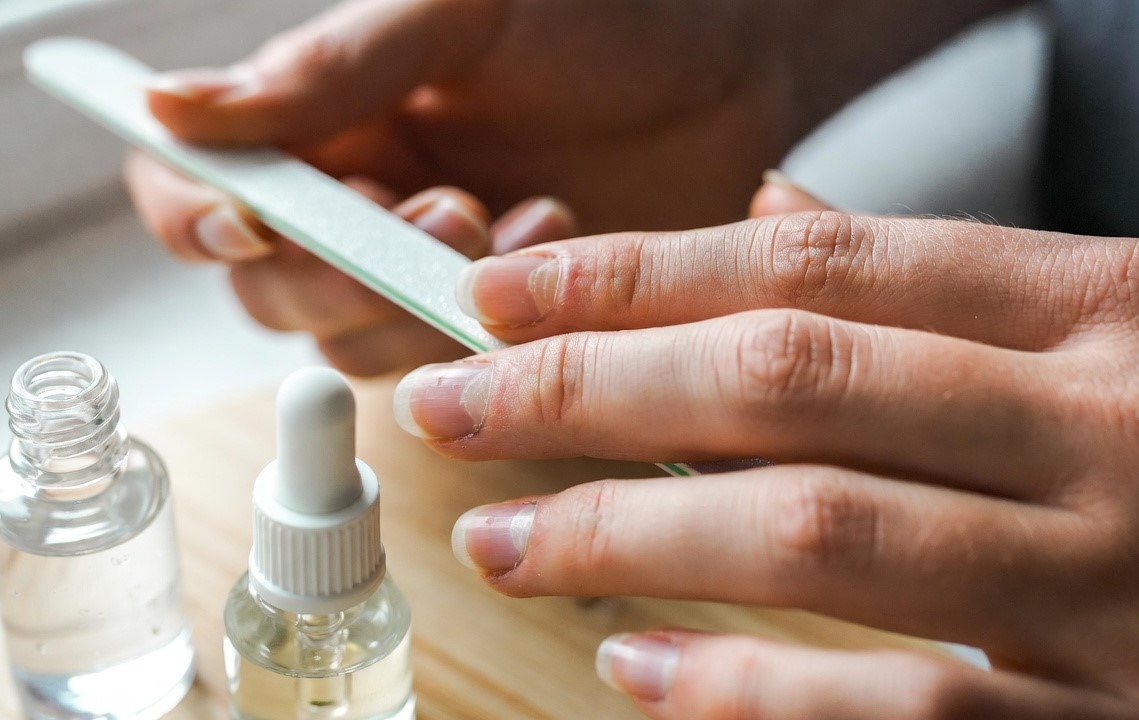
Strengthen Weak Nails

How to Strengthen Weak Nails Naturally

Spread the love

Weak nails that bend, break, or peel at the slightest touch can feel like an unsolvable problem. You might watch enviously as others grow long, strong nails while yours never make it past your fingertips before snapping off. The good news is that weak nails aren’t a permanent condition—with the right natural approaches, you can transform fragile nails into strong, resilient ones. Natural strengthening methods work by addressing the root causes of weakness rather than just creating a temporary hard coating. This means combining internal nutrition that supports nail growth, external treatments that moisturize and protect, and lifestyle changes that prevent damage. Follow these natural methods consistently for 2-3 months, and you’ll see dramatic improvement as weak, damaged nail grows out and is replaced by stronger, healthier growth.

Understanding Why Your Nails Are Weak

Before strengthening nails, understanding the cause helps you choose the most effective approach. Weak nails rarely have just one cause—usually multiple factors combine to create the problem.

Dehydration is the most common cause. When nails lack adequate moisture, they become brittle and inflexible, breaking rather than bending under stress. The nail plate is approximately 18% water, and when this drops, weakness follows.

Nutritional deficiencies directly impact nail strength. Your nails need protein, biotin, iron, zinc, and other nutrients to grow strong. Without adequate nutrition, your body produces weak, thin nails because it lacks the building blocks for healthy keratin.

Environmental damage from water exposure, chemicals, cold weather, and harsh treatment weakens nails over time. The expansion-contraction cycle from getting wet and drying repeatedly breaks down nail structure.

Over-processing from frequent gel or acrylic applications, aggressive buffing, or harsh nail treatments thins the nail plate and creates weakness that takes months to grow out.

Aging naturally causes some nail weakening as cell production slows and nails become drier. While you can’t stop aging, you can optimize nail health for your age.

Medical conditions like thyroid disorders, anemia, or psoriasis sometimes cause nail weakness. If natural methods don’t help after 3-4 months, medical evaluation rules out underlying health issues.

Most people have weak nails from dehydration, nutritional gaps, and environmental damage—all fixable through natural methods.

The Foundation: Hydration Inside and Out

Moisture is the single most important factor in nail strength. Hydrated nails are flexible and resilient, absorbing stress without breaking. Dehydrated nails are rigid and brittle, cracking under minimal pressure.

Internal Hydration

Drink adequate water throughout the day—aim for eight 8-ounce glasses minimum, more if you’re active or in dry climates. Pale yellow urine indicates good hydration, while dark yellow suggests you need more water.

The effects on nails aren’t immediate, but within 2-3 weeks of consistent hydration, nails become noticeably more flexible and less prone to breaking. This internal moisture provides the foundation for all other strengthening efforts.

Include water-rich foods in your diet—cucumbers, watermelon, oranges, strawberries, lettuce, and celery contribute to overall hydration while providing vitamins and minerals.

External Hydration

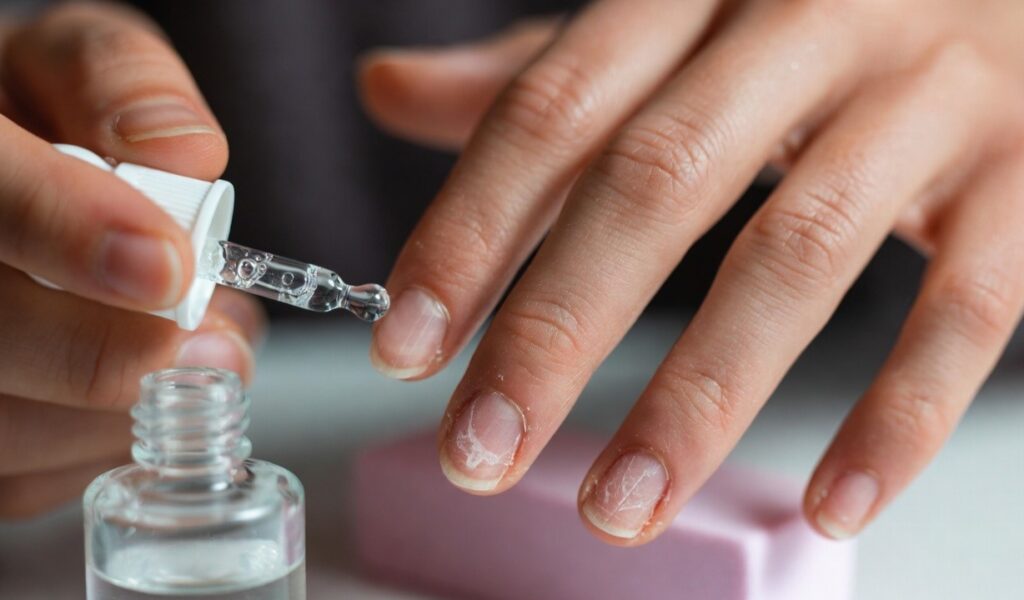
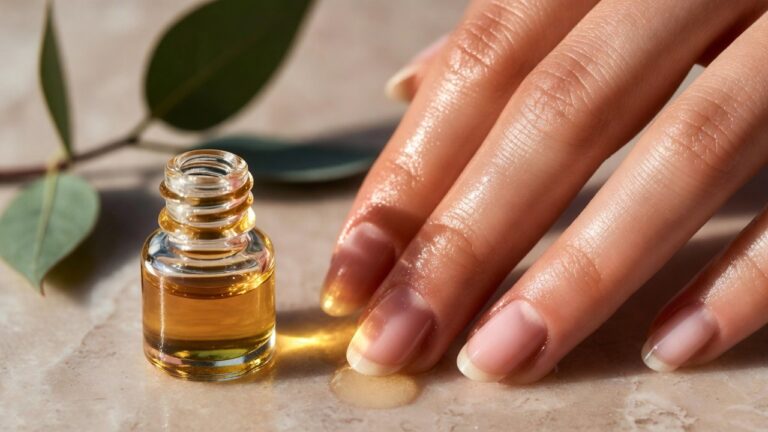
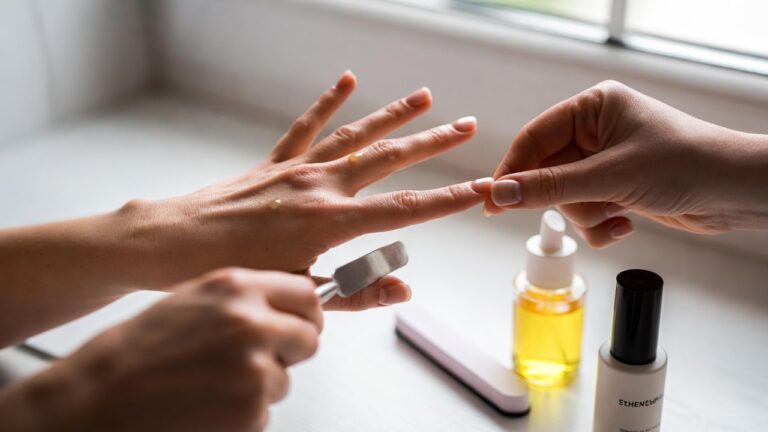
Apply cuticle oil at least twice daily, ideally three or four times for weak nails. This is the most effective single external treatment for nail strengthening. Massage oil thoroughly into the entire nail plate, cuticles, and surrounding skin.

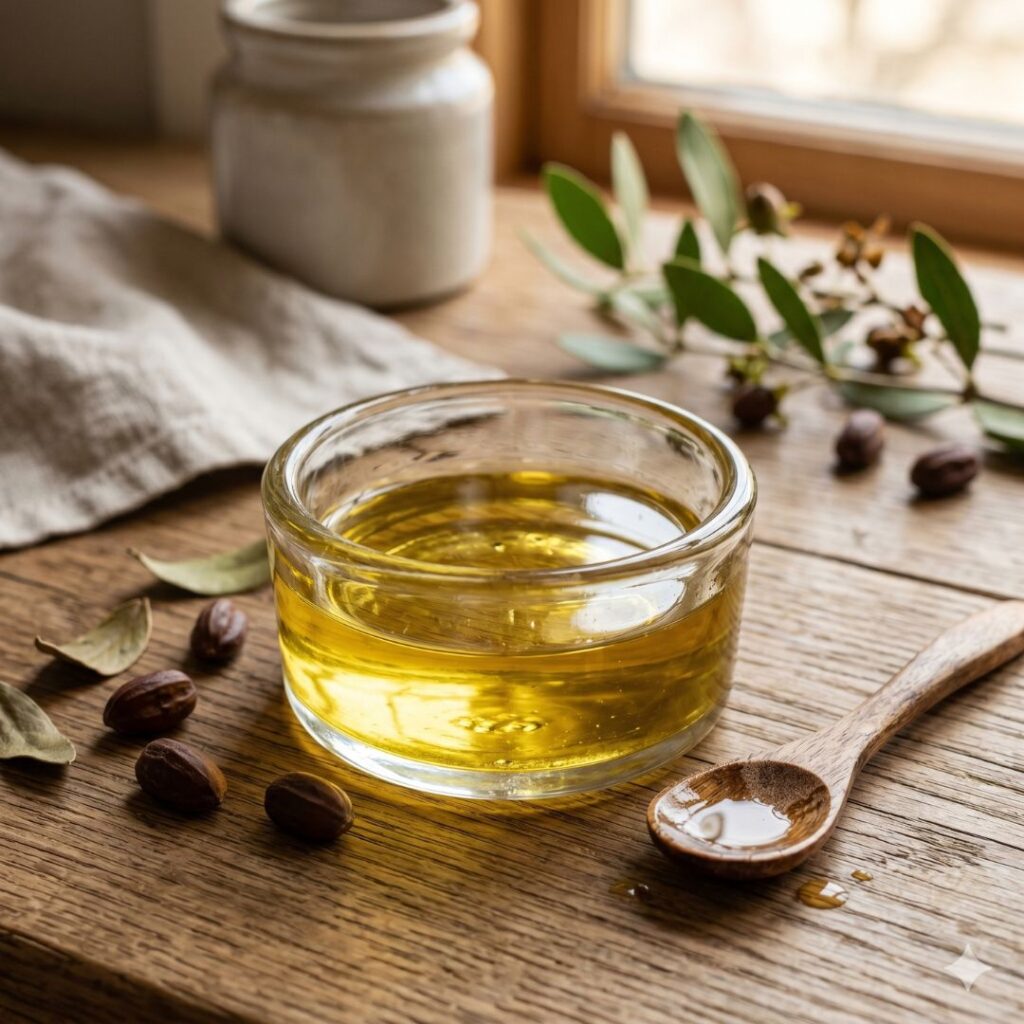
The best oils for strengthening are jojoba oil (absorbs excellently and mimics natural skin oils), vitamin E oil (healing and strengthening properties), sweet almond oil (affordable and effective), argan oil (intensive nourishment), and coconut oil (antibacterial and moisturizing).

For intensive treatment, do warm oil soaks 2-3 times weekly. Heat jojoba or olive oil until comfortably warm, soak fingertips for 15-20 minutes, then massage remaining oil into nails. This provides deep moisture penetration that significantly improves nail flexibility.

Overnight oil treatments amplify results. Apply oil or thick cuticle cream generously before bed, wear cotton gloves overnight, and do this 3-4 times weekly minimum. The extended contact time allows maximum absorption.

Nutrition: Building Strong Nails from Within

What you eat directly affects nail strength. Certain nutrients are essential for producing strong keratin—the protein your nails are made from.

Protein: The Building Block

Nails are primarily protein, so adequate protein intake is non-negotiable for strength. Most adults need at least 0.8 grams per kilogram of body weight daily, but optimal nail health may require 1.2-1.6 g/kg.

Include high-quality protein at every meal: eggs (perfect protein source with biotin), fish and seafood (protein plus omega-3s), poultry and lean meats, dairy products like Greek yogurt and cottage cheese, and legumes, beans, and plant proteins for vegetarians.

Spread protein throughout the day rather than consuming it all in one meal. Steady availability supports continuous nail growth and repair.

Biotin: The Proven Supplement

Biotin (vitamin B7) is the only supplement with solid scientific backing for strengthening nails. Multiple studies show biotin supplementation improves nail thickness and reduces splitting and breaking in people with weak nails.

Take 2.5 mg (2,500 mcg) of biotin daily. This is much higher than the RDA but is the dosage used in studies showing nail benefits. Results take 2-3 months as you’re waiting for stronger nail to grow from the base.

Biotin-rich foods supplement your intake: egg yolks (cook them—raw egg whites block biotin absorption), almonds and other nuts, salmon and fatty fish, sweet potatoes, spinach and leafy greens, and avocados.

Iron: For Strong, Healthy Growth

Iron deficiency commonly causes weak, brittle nails. Even mild deficiency impacts nail quality. If you have weak nails plus fatigue, pale skin, or cold sensitivity, iron deficiency might be the culprit.

Include iron-rich foods regularly: red meat (best source of easily-absorbed heme iron), fortified cereals, spinach and leafy greens, lentils and beans, and pumpkin seeds. Pair plant-based iron sources with vitamin C (citrus, tomatoes, bell peppers) for better absorption.

If blood work reveals iron deficiency, supplementation under medical guidance can dramatically improve nail strength within months.

Omega-3 Fatty Acids: For Flexibility

Omega-3s improve nail flexibility, preventing the brittleness that causes breaking. They’re incorporated into cell membranes in the nail matrix, producing more resilient nail cells.

Get omega-3s from fatty fish (salmon, mackerel, sardines) twice weekly, walnuts and flaxseeds, chia seeds, or quality fish oil or algae oil supplements.

Zinc: Essential for Protein Synthesis

Zinc is necessary for protein synthesis in the nail matrix. Deficiency causes weak nails and white spots. Good sources include oysters (highest zinc content), beef and lamb, pumpkin seeds, chickpeas and lentils, and cashews and almonds.

Vitamin E: For Protection and Repair

Vitamin E protects nail cells from damage and supports repair. Found in nuts, seeds, leafy greens, and avocados, or take as a supplement. You can also apply vitamin E oil directly to nails—pierce capsules and squeeze oil onto nails nightly.

Silica: For Structure

Silica supports nail structure and strength. Found in cucumbers, oats, green beans, and bananas. Some people take silica supplements, though food sources are preferable.

Natural Topical Treatments

Beyond basic oil application, specific natural treatments provide strengthening benefits.

Apple Cider Vinegar Soak

Apple cider vinegar contains minerals that strengthen nails and balances nail pH. Mix equal parts raw, unfiltered apple cider vinegar and warm water. Soak nails for 10 minutes, then rinse and thoroughly dry. Immediately apply cuticle oil to prevent any drying effect.

Do this 2-3 times weekly. The minerals penetrate the nail plate, gradually improving strength. Never use vinegar undiluted or leave it on without rinsing—the acidity can be drying.

Lemon and Olive Oil Treatment

Lemon juice strengthens and brightens nails while olive oil provides moisture. Mix 1 tablespoon fresh lemon juice with 3 tablespoons olive oil. Soak nails for 15 minutes, then rinse and apply additional oil.

Use this treatment twice weekly. The vitamin C in lemon supports collagen production, while olive oil’s vitamin E and fatty acids nourish and strengthen.

Coconut Oil Massage

Pure coconut oil has antifungal properties and provides deep moisture. Massage solid coconut oil into nails and cuticles daily, or several times daily for weak nails. The lauric acid penetrates well and helps prevent infections that can weaken nails.

Sea Salt Soak

Sea salt contains minerals that strengthen nails—magnesium, calcium, potassium, and zinc. Dissolve 2 tablespoons fine sea salt in 1 cup warm water. Add 1 teaspoon of olive or jojoba oil to prevent excess drying.

Soak nails for 10-15 minutes, then rinse thoroughly with fresh water (essential—salt left on nails draws out moisture). Immediately apply oil or cream. Do this twice weekly for mineral infusion and gentle exfoliation.

Garlic Infused Oil

Garlic contains selenium and other compounds that may strengthen nails. While rubbing raw garlic on nails is harsh, garlic-infused oil is gentler. Crush 2-3 garlic cloves, add to 2 tablespoons olive oil, let sit 24 hours, strain, and use this oil for daily application.

The garlic compounds infuse into the oil without the harshness of raw garlic directly on nails. Some people swear by this, though scientific evidence is limited.

Aloe Vera Gel

Pure aloe vera gel soothes and moisturizes nails and cuticles. Apply directly to nails, let sit for 20 minutes, then rinse or massage in. Aloe contains vitamins and minerals that support nail health while providing moisture.

Protective Practices: Preventing Damage

Strengthening weak nails requires both adding beneficial treatments and stopping damaging behaviors.

Protect from Water

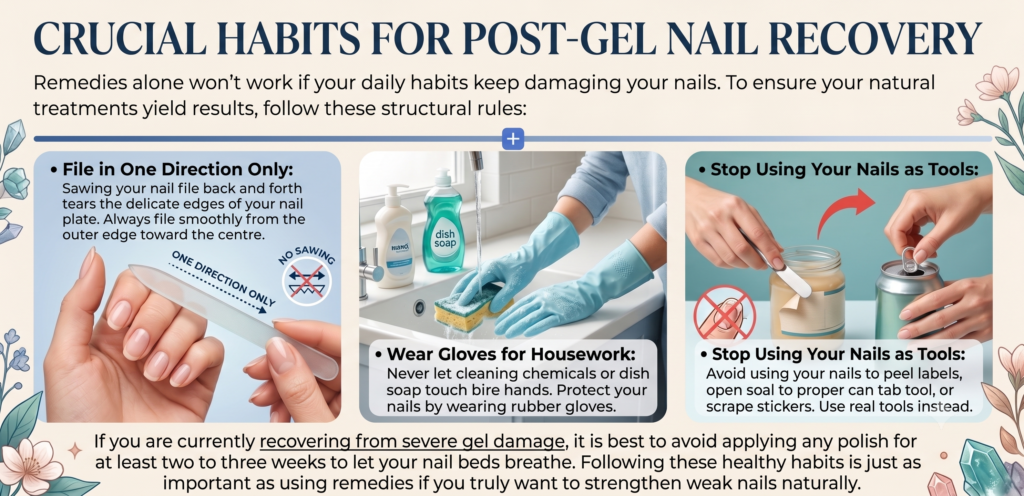
Water is one of the biggest nail weakeners through the expansion-contraction cycle. Wear gloves for dishes, cleaning, gardening, and any task involving prolonged water exposure. Keep multiple pairs of gloves at different sinks for convenience.

After washing hands, dry thoroughly including under nails and between fingers where moisture lingers. Apply hand cream immediately after every hand washing to replace lost moisture.

Limit shower time and water temperature when possible. Very hot water strips oils from nails faster than lukewarm water.

Avoid Harsh Chemicals

Cleaning products, acetone nail polish remover, and other chemicals dry and damage nails. Always wear gloves when using cleaning products. Switch to acetone-free nail polish remover for regular polish.

If using gel polish, ensure proper removal with controlled acetone exposure rather than picking or peeling, which causes severe damage.

Stop Using Nails as Tools

Every time you use nails to pry, scratch, pick, or open things, you create micro-damage. Use proper tools for these tasks. Type with fingertips, not nail tips. Open cans with can openers, not nails.

This habit change alone prevents significant damage that undermines strengthening efforts.

Keep Nails Short Initially

While growing nails, keep them short until they strengthen. Shorter nails are less likely to break, giving weak nails time to improve without constant setbacks. Once nails strengthen over 2-3 months, gradually increase length.

File Properly

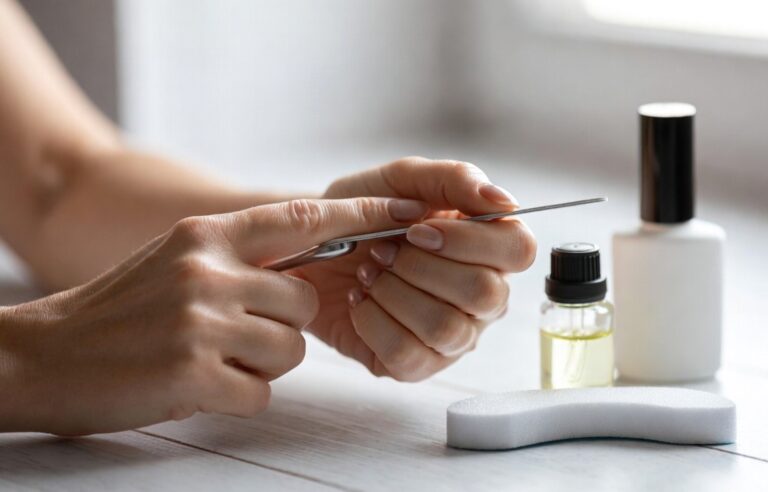
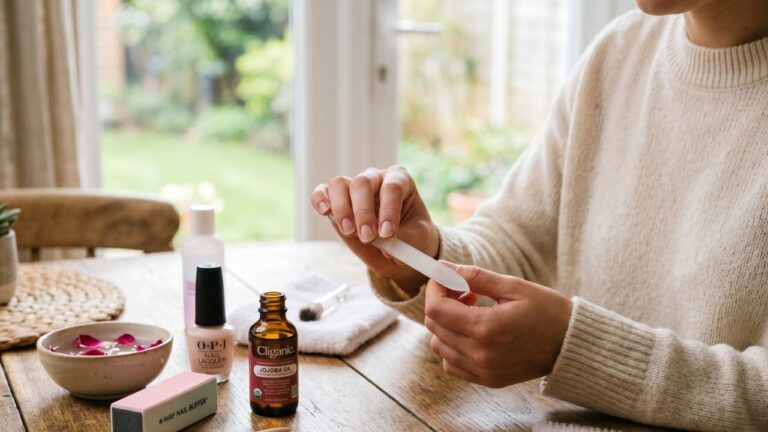
Use a glass nail file and file in one direction only, never back and forth. Hold the file at a slight angle under the nail tip. File only completely dry nails—wet nails are vulnerable to damage.

Don’t Over-Buff

Buffing removes nail material, thinning the nail plate. If nails are weak, avoid buffing entirely until they strengthen. Once strong, buff very gently and infrequently—once every 2-3 weeks maximum.

Give Nails Breaks from Polish

Polish, especially gel and acrylics, can weaken nails over time. Take breaks every few weeks to let nails breathe. During breaks, focus intensively on oil treatments and strengthening.

Lifestyle Factors That Support Nail Strength

Overall health directly impacts nail health. These lifestyle factors support strong nail growth.

Adequate Sleep

Nails grow and repair primarily during sleep. Aim for 7-9 hours nightly. Consistent sleep schedules support more consistent nail growth and repair.

Stress Management

Chronic stress redirects resources away from non-essential functions like nail growth. High cortisol levels can impair nail strength. Find effective stress management techniques—exercise, meditation, therapy, hobbies.

Regular Exercise

Exercise improves circulation throughout your body, including to your fingertips. Better blood flow to nail matrices means better nutrient delivery and potentially faster, stronger growth. Even 30 minutes of walking daily helps.

Hand and Finger Massage

Massaging hands and especially the area around nails improves circulation. Spend 2-3 minutes daily massaging hands, fingers, and nail beds. This is easy to do while applying oil or cream.

Avoid Smoking

Smoking restricts blood flow to extremities, including nails. Smokers typically have weaker, slower-growing nails than non-smokers. If you smoke, quitting improves many aspects of health including nail strength.

Limit Alcohol

Excessive alcohol consumption depletes nutrients important for nail health, particularly B vitamins and zinc. Moderate consumption is generally fine, but heavy drinking impacts nail quality.

Protect from Cold

Cold makes nails brittle. Wear gloves in cold weather to protect nails from temperature extremes. Cold, dry air also dehydrates nails, making winter an important time for intensive moisturizing.

The 12-Week Strengthening Plan

Follow this progressive plan for systematic nail strengthening.

Weeks 1-2: Foundation Phase

  • Apply cuticle oil 3 times daily minimum
  • Start biotin supplementation (2.5 mg daily)
  • Assess and improve protein intake
  • Wear gloves for all wet work starting immediately
  • Do warm oil soaks 3 times weekly
  • Keep nails short and well-shaped

Weeks 3-4: Building Phase

  • Continue all Week 1-2 habits
  • Add apple cider vinegar soaks twice weekly
  • Increase hydration—track water intake
  • Start overnight oil treatments 3-4 times weekly
  • Evaluate nutrition and add omega-3s if lacking

Weeks 5-8: Strengthening Phase

  • Maintain all previous habits
  • Add sea salt soaks once weekly
  • Should start seeing healthier new growth at nail base
  • Continue protecting nails from damage and water
  • Assess iron and zinc intake, supplement if needed

Weeks 9-12: Maintenance Phase

  • Continue daily oil application (now twice daily is sufficient)
  • Biotin supplement continues
  • Reduce oil soaks to once weekly for maintenance
  • New nail growth should be noticeably stronger
  • Can begin gradually increasing nail length
  • Maintain protective habits indefinitely

By week 12, most of your nail should be new, stronger growth. The weak nail you started with has largely grown out and been replaced.

Measuring Your Progress

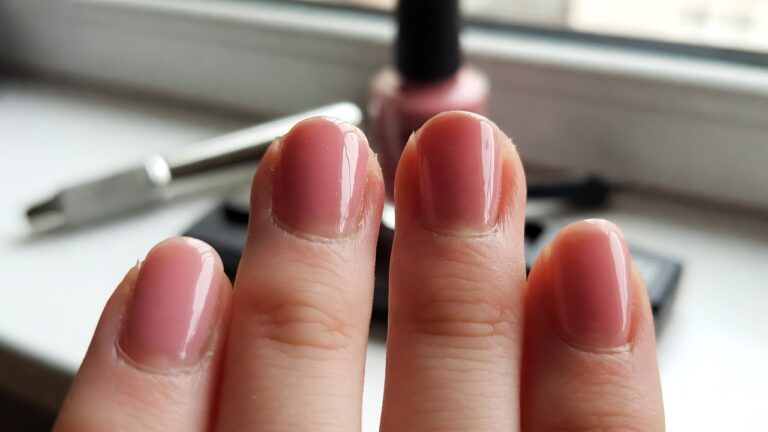
Track progress to stay motivated and adjust your approach. Take photos of bare nails in good light on Day 1, then every 2 weeks. Photograph nails from the same angle with the same lighting. Visual progress is often more obvious in photos than daily observation.

Note specific improvements: reduced breaking and chipping, less peeling and splitting, increased flexibility (nails bend slightly without breaking), better growth rate, and improved appearance (less ridging, better color).

Keep a simple journal noting your routine consistency. This helps identify what works. If you see improvement during weeks you were diligent with oil but not during weeks you skipped it, you know oil application is key for your nails.

Be patient—nail improvement is gradual. Expecting dramatic changes in 2 weeks leads to disappointment. Commit to the full 12 weeks before evaluating overall effectiveness.

When Natural Methods Aren’t Enough

If nails remain weak despite 3-4 months of consistent natural care, consult a healthcare provider. Persistent nail weakness can indicate thyroid disorders, iron-deficiency anemia, nutritional deficiencies beyond what diet addresses, fungal infections, psoriasis or other skin conditions, or other medical issues.

Blood work can reveal deficiencies or health issues affecting nails. A dermatologist can diagnose nail-specific conditions. Treatment of underlying conditions often dramatically improves nail strength.

Don’t assume nails are “just weak” if natural methods don’t work. They might be signaling a health issue that needs attention.

The Bottom Line

Strengthening weak nails naturally requires a comprehensive approach: intensive external moisture through oils and soaks, nutritional support from adequate protein, biotin, iron, omega-3s, and zinc, protective habits that prevent damage from water and chemicals, and lifestyle factors like sleep, hydration, and stress management.

The most impactful natural strengthening methods are daily cuticle oil application (2-3 times minimum), biotin supplementation at 2.5 mg daily, adequate protein intake at every meal, wearing gloves for all wet work, and weekly oil soaks for intensive moisture.

These methods work by addressing the root causes of weakness rather than creating temporary hardness. Results take 2-3 months as weak nail grows out and is replaced by stronger growth. Patience and consistency are essential.

Most people see noticeable improvement by week 4-6 and dramatic transformation by week 12. Natural strengthening creates lasting results because you’re growing genuinely strong nails, not just coating weak ones with hardening products.

Start today with daily oil application and glove use. Add other treatments gradually. Commit to the full program for 12 weeks. Your nails will transform from weak and frustrating to strong and healthy—naturally.


What natural methods have worked for strengthening your nails? How long did it take to see results? Share your experiences and tips in the comments!


Spread the love

Similar Posts

Leave a Reply

Your email address will not be published. Required fields are marked *