Best Oils for Nail Growth: The Complete Cuticle Oil Guide
If you’re serious about improving your nail health and maximizing growth potential, cuticle oil is your most powerful tool. While supplements work from the inside out, oils work from the outside in—moisturizing the nail matrix where new growth forms, keeping nails flexible to prevent breakage, and nourishing cuticles to support healthy growth. But not all oils are created equal. Some penetrate deeply and deliver real benefits, while others sit on the surface providing only superficial moisture. This guide breaks down the best oils for nail growth, explaining why each one works, how to use them effectively, and which oils deliver the most bang for your buck.
Why Oil Matters for Nail Growth
Before diving into specific oils, understanding why they work helps you use them more effectively. Your nail matrix—the hidden area beneath your cuticle where nail cells form—needs adequate moisture to produce healthy nail cells. When the matrix is well-hydrated, it creates flexible, strong nails that resist breaking. Dry matrices produce brittle nails prone to peeling and cracking.
Oils don’t actually make your nails grow faster, but they prevent breakage that keeps nails from reaching their full length potential. A nail growing at a normal rate but constantly breaking will never get long. Oils keep nails flexible enough to bend slightly under stress rather than snapping off.
The cuticle acts as a seal protecting the nail matrix from bacteria and moisture loss. Dry, damaged cuticles can’t perform this protective function effectively. Well-moisturized cuticles maintain the barrier that keeps your nail matrix healthy and productive.
Different oils have different molecular structures, affecting how well they penetrate the nail plate and surrounding skin. Smaller molecules penetrate deeply, while larger molecules sit on the surface. The best oils for nails have molecules small enough to actually reach the matrix and nail bed rather than just coating the surface.
Jojoba Oil: The Gold Standard
Jojoba oil is widely considered the best oil for nails, and science supports this reputation. Technically a liquid wax rather than a true oil, jojoba has a molecular structure remarkably similar to human sebum—the natural oil your skin produces. This similarity means jojoba absorbs into skin and nails exceptionally well.
The molecular structure of jojoba oil is small enough to penetrate the nail plate and reach the nail bed beneath. This deep penetration delivers moisture where it’s actually needed rather than just coating the surface. Jojoba contains vitamins E and B-complex, copper, zinc, selenium, iodine, and chromium—all beneficial for nail health.
Unlike many oils, jojoba is non-comedogenic and hypoallergenic, making it suitable for even sensitive skin. It won’t clog pores or cause irritation around your nail beds. The oil is also incredibly stable—it doesn’t go rancid easily and has a long shelf life.
Jojoba oil moisturizes without leaving a greasy residue, which means you can apply it throughout the day without your hands feeling oily. It absorbs within a few minutes, making it practical for regular use. This non-greasy quality is important because you’re more likely to use oil consistently if it doesn’t interfere with normal activities.
For nail use, apply pure jojoba oil to your cuticles and nails at least twice daily. Massage it in for 30 seconds per hand to improve circulation and ensure penetration. Many commercial cuticle oils use jojoba as the base because of its superior absorption and nail benefits.
Jojoba oil costs more than some other options—typically $10 to $20 for a small bottle—but a little goes a long way. A 2-ounce bottle can last several months with daily use. The investment is worthwhile for the superior results it delivers.
Vitamin E Oil: The Healing Powerhouse
Vitamin E oil is prized for its healing and moisturizing properties. As a powerful antioxidant, vitamin E protects nail cells from free radical damage, supports cell regeneration in the nail matrix, and helps repair damage from harsh treatments or chemicals.
Pure vitamin E oil is quite thick and sticky, which some people find unpleasant. However, this thickness means it provides long-lasting moisture—perfect for overnight treatments. The oil creates a protective barrier on nails and cuticles that seals in moisture for hours.
Vitamin E improves blood circulation to the nail area when massaged in, which may support slightly faster growth by improving nutrient delivery to the nail matrix. It’s particularly beneficial for damaged nails recovering from acrylics, gel polish, or excessive filing.
You can buy vitamin E oil in capsule form—simply pierce the capsule with a pin and squeeze the oil onto your nails. This format is convenient and prevents oxidation since each capsule is sealed. Alternatively, bottled vitamin E oil is more economical for regular use.
For best results, apply vitamin E oil at night before bed. The thick consistency works well for overnight treatment when you’re not using your hands. Massage it thoroughly into nails and cuticles, paying special attention to any damaged areas. You can wear cotton gloves over the treatment to maximize absorption and protect your bedding.
Vitamin E oil pairs excellently with other oils. Many people mix vitamin E with jojoba or sweet almond oil to get the benefits of vitamin E in a lighter, more easily absorbed base. A common ratio is adding the contents of two vitamin E capsules to two tablespoons of carrier oil.
Some people may be sensitive to vitamin E oil, especially in concentrated forms. If you experience redness or irritation, discontinue use or dilute it with a carrier oil before trying again.
Sweet Almond Oil: The Affordable Workhorse
Sweet almond oil offers an excellent balance of effectiveness and affordability, making it perfect for people who want quality results without premium prices. Rich in vitamin E, omega-3 fatty acids, proteins, potassium, and zinc, sweet almond oil provides comprehensive nail nourishment.
The lightweight texture of sweet almond oil makes it perfect for daytime use. It absorbs relatively quickly without leaving hands overly greasy, though not quite as fast as jojoba. The pleasant, mild nutty scent is a bonus—many people find it more appealing than some other oils.
Sweet almond oil excels at softening cuticles and preventing hangnails. It’s particularly good for people with dry, ragged cuticles that need intensive moisturizing. Regular use keeps cuticles smooth and pliable, reducing the need for cutting or trimming.
For nails specifically, sweet almond oil improves flexibility and reduces brittleness. Nails treated regularly with sweet almond oil become noticeably more resilient and less prone to cracking or peeling. The vitamin E content supports nail strength while the fatty acids maintain flexibility.
Sweet almond oil is typically much less expensive than jojoba—often $8 to $12 for a decent-sized bottle. This makes it practical for generous, frequent application. You can use it liberally without worrying about cost, which encourages the consistent use that actually produces results.
Apply sweet almond oil two to three times daily for best results. The lightweight nature means you can reapply throughout the day without buildup. Massage it thoroughly into nails, cuticles, and even the skin on your fingertips for comprehensive hand moisture.
Note that people with tree nut allergies should avoid sweet almond oil and choose an alternative like jojoba or grapeseed oil instead.
Argan Oil: The Luxury Treatment
Argan oil, extracted from Moroccan argan tree kernels, is one of the most expensive oils but delivers premium results. Rich in vitamin E, fatty acids, squalene, and antioxidants, argan oil provides intensive nourishment for nails and cuticles.
The high vitamin E content in argan oil—often higher than most other oils—makes it particularly effective for healing and protecting nails. Vitamin E is crucial for cell regeneration and damage repair, making argan oil ideal for nails recovering from damage.
Argan oil has excellent penetration despite being fairly rich. It absorbs well without excessive greasiness, and a small amount provides significant moisture. This means a bottle lasts longer than you might expect, which helps justify the premium price.
The squalene in argan oil is particularly beneficial. Squalene is a naturally occurring compound in human skin that decreases as we age. Supplementing it topically helps maintain skin and nail moisture more effectively. This makes argan oil especially valuable for older adults whose nails have become drier and more brittle with age.
Argan oil’s anti-inflammatory properties benefit the nail bed and cuticle area, reducing redness and irritation. If you’ve experienced inflammation from aggressive manicures or harsh nail treatments, argan oil can help soothe and heal the area while supporting better nail growth.
Use argan oil once or twice daily, focusing on nighttime application when the longer contact time maximizes absorption. The oil is luxurious enough that application feels like a pampering ritual rather than a chore, which helps maintain consistency.
Quality varies significantly with argan oil. Pure, cold-pressed argan oil should have a mild nutty scent and golden color. Avoid suspiciously cheap argan oil—it’s likely diluted or adulterated. Expect to pay $15 to $30 for a small bottle of genuine, high-quality argan oil.
Coconut Oil: The Budget-Friendly Option
Coconut oil is incredibly affordable and widely available, making it accessible to everyone. While not quite as effective as jojoba or argan oil, coconut oil still delivers solid results for nail health at a fraction of the cost.
Virgin coconut oil contains lauric acid, which has antibacterial and antifungal properties. This makes coconut oil particularly valuable if you’re prone to nail infections or if you’re recovering from one. The antimicrobial properties help keep nails and cuticles healthy.
The molecular structure of coconut oil allows decent penetration into nails and skin, though not as deep as jojoba. It provides good moisture and helps seal the nail surface to prevent moisture loss. This protective effect reduces brittleness and improves nail flexibility.
Coconut oil solidifies below 76°F (24°C), which is actually advantageous for nail care. The solid form is easy to scoop out, melts instantly when rubbed between fingers, and doesn’t spill or leak. Keep a small jar of coconut oil near where you relax—bedside, by the couch—for convenient application.
For intensive overnight treatment, apply coconut oil generously to nails and cuticles before bed, then wear cotton gloves. The extended contact time allows maximum absorption. Wake up to noticeably softer cuticles and more moisturized nails.
Coconut oil costs just $5 to $10 for a jar that lasts months, making it the most economical option. This low cost means you can be generous with application without worry. Liberal, frequent use is more beneficial than stingy use of expensive oils.
The main drawback of coconut oil is its heaviness. It takes longer to absorb than lighter oils and can feel greasy if you use too much. It’s better suited for nighttime use rather than daytime application before activities.
Some people are sensitive to coconut oil and may experience breakouts or irritation. If you have sensitive skin, test it on a small area before using extensively on your hands and nails.
Olive Oil: The Kitchen Staple That Works
Extra virgin olive oil is something most people already have in their kitchen, making it the most accessible nail treatment. While not the most elegant option, olive oil genuinely benefits nail health and provides a good introduction to oil treatments.
Rich in vitamin E, antioxidants, and healthy fats, olive oil moisturizes nails and cuticles effectively. It’s particularly good for brittle nails, helping restore flexibility and reduce cracking. Regular olive oil soaks can dramatically improve nail strength within weeks.
The best way to use olive oil for nails is warm oil soaks. Heat a quarter cup of olive oil in the microwave for 10 to 15 seconds until warm but not hot. Soak your fingertips for 15 to 20 minutes, allowing deep penetration. This warm soak method is one of the most effective nail treatments available, regardless of oil type.
You can also apply olive oil directly to nails and cuticles, though it’s greasier than jojoba or sweet almond oil. For daily quick applications, lighter oils work better. Reserve olive oil for weekly intensive soak treatments and overnight moisture therapy.
Olive oil’s anti-inflammatory properties benefit inflamed or irritated cuticles and nail beds. If you’ve been too aggressive with cuticle care or if you have hangnails, olive oil helps soothe and heal while preventing infection.
The main advantage of olive oil is that you probably already have it. There’s no additional investment needed to try it. If you’re skeptical about whether oil treatments work, olive oil provides a risk-free way to test the concept before buying specialized products.
Extra virgin olive oil is best for nails because it retains more beneficial compounds than refined olive oil. The quality doesn’t need to be premium—mid-range extra virgin olive oil works fine for nail care. Save the expensive stuff for salads.
Castor Oil: The Thick, Intensive Treatment
Castor oil is extremely thick and sticky—almost syrup-like in consistency. This thickness makes it impractical for daily use, but it’s excellent for intensive overnight treatments when you want maximum moisture delivery.
Rich in ricinoleic acid and omega-9 fatty acids, castor oil provides deep moisture that lasts for hours. The thick consistency creates a protective seal on nails and cuticles, preventing moisture loss and protecting from environmental damage.
Castor oil is particularly effective for severely damaged nails that need intensive repair. If your nails are in terrible shape from excessive acrylics, harsh gel removal, or other damage, castor oil provides the intensive treatment they need.
The oil may also stimulate growth slightly—though scientific evidence is limited, many people report faster nail growth with regular castor oil use. This may be due to improved circulation from the massage required to work in the thick oil, or from the nourishing properties of the oil itself.
Use castor oil two to three times per week for overnight treatment. Apply it generously to nails and cuticles before bed, massage thoroughly (which takes extra effort given the thickness), and wear cotton gloves overnight. The gloves are essential with castor oil—without them, you’ll transfer sticky oil to everything you touch.
Because pure castor oil is so thick, many people dilute it with a lighter carrier oil like jojoba or sweet almond. A 50/50 mix provides the benefits of castor oil in a more workable consistency. This blend is easier to massage in and feels less heavy on hands.
Castor oil is very affordable, typically $6 to $10 for a bottle that lasts many months. A little goes a long way given its thickness. Buy cold-pressed, hexane-free castor oil for the best quality and purity.
Tea Tree Oil: The Antifungal Specialist
Tea tree oil is not a moisturizing oil—it’s an essential oil with strong antimicrobial properties. It deserves mention because it addresses a specific nail issue: fungal infections and bacterial problems around nails.
If you’re dealing with nail fungus, persistent hangnails, or infections around your nail beds, tea tree oil can help. The antifungal and antibacterial properties fight the infections while the antiseptic qualities prevent new ones from developing.
Never use tea tree oil undiluted on skin—it’s far too strong and can cause irritation or burns. Always dilute it in a carrier oil. A typical dilution is 3 to 5 drops of tea tree oil per tablespoon of carrier oil like jojoba or coconut oil. This dilution provides antimicrobial benefits without risking skin damage.
Apply diluted tea tree oil to affected areas once or twice daily. For fungal infections, consistent application over several weeks is necessary to see improvement. Tea tree oil won’t work overnight, but it can be effective for mild to moderate fungal issues.
Tea tree oil has a strong, medicinal scent that some people find unpleasant. The smell fades as the oil absorbs, but be prepared for the initial intensity. Some people find the scent refreshing, while others find it off-putting.
Tea tree oil is not a routine nail care product—it’s a treatment for specific problems. Once issues are resolved, switch to purely moisturizing oils for maintenance. Using tea tree oil long-term when you don’t need its antimicrobial properties provides no additional benefit and just exposes you unnecessarily to its strong compounds.
Creating Your Perfect Cuticle Oil Blend
Many people find that blending oils creates the ideal cuticle treatment, combining the benefits of multiple oils while balancing texture, absorption, and cost. Creating a custom blend is easy and allows you to tailor the oil to your specific needs.
A simple, effective blend is two parts jojoba oil (for excellent absorption), one part vitamin E oil (for antioxidant benefits and healing), and one part sweet almond oil (for affordability and vitamin content). This creates a medium-weight oil that absorbs well and provides comprehensive benefits.
For intensive repair, try equal parts castor oil and jojoba oil. The jojoba lightens the castor oil’s heavy texture while the castor oil provides intensive moisture. This blend works beautifully for overnight treatments.
If you’re prone to nail infections or want preventative protection, add a few drops of tea tree oil to any carrier oil blend. Three to five drops per ounce of carrier oil provides antimicrobial benefits without overwhelming the blend.
To make your blend, purchase a small dark glass bottle (2 to 4 ounces is ideal). Dark glass protects oils from light degradation. Add your chosen oils in the desired proportions, seal the bottle, and shake well to combine. Store in a cool, dark place when not in use.
Some people like to add a drop or two of lavender or lemon essential oil for fragrance. This is optional—it doesn’t enhance nail benefits but makes application more pleasant if you enjoy aromatherapy. Always heavily dilute essential oils and never apply them directly to skin undiluted.
Application Techniques That Maximize Results
How you apply oil matters as much as which oil you use. Proper technique ensures maximum absorption and benefit. Apply oil to clean, dry nails. Oils don’t penetrate well through polish, dirt, or other substances. If you’ve just washed your hands, dry them completely before applying oil.
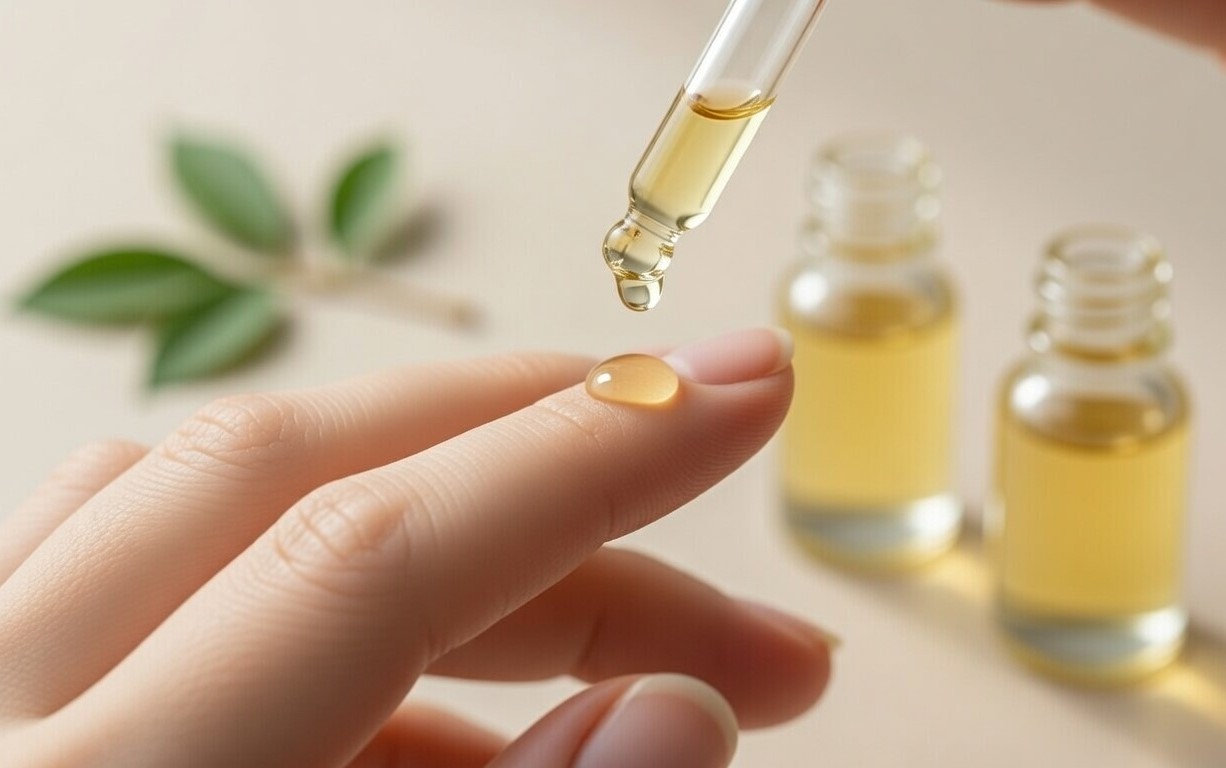
Put a drop of oil on each cuticle and nail. You need less than you think—over-application just creates waste and greasiness. Massage the oil thoroughly into your cuticles, nail beds, and nail plates. Spend at least 30 seconds per hand, working the oil in circular motions. This massage improves circulation and encourages absorption.
Push back your cuticles gently while the oil is moistening them. This is the perfect time for cuticle care since the oil softens them, making pushing back easy and gentle. Use a wooden cuticle stick or your thumbnail.
For maximum benefit, apply oil at least twice daily—once in the morning and once before bed. The morning application maintains moisture throughout the day, while the nighttime application allows extended absorption while you sleep.
Consider keeping oil in multiple locations: beside your bed for nighttime application, at your desk for midday touch-ups, and in your purse for on-the-go use. Multiple bottles encourage more frequent application, which produces better results.
Storage and Shelf Life
Proper storage extends your oils’ effectiveness and prevents them from going rancid. Store oils in dark glass bottles away from direct sunlight and heat. Light and heat degrade oils, reducing their beneficial properties and causing them to spoil faster.
Keep oils in a cool, dry place—a bathroom cabinet works if your bathroom doesn’t get very hot or humid. Avoid storing oils in warm, sunny windowsills or near heat sources. Some people refrigerate oils, which significantly extends shelf life, though refrigerated oils may solidify (they’ll reliquify at room temperature).
Most carrier oils last 6 to 12 months when properly stored. Oils with vitamin E or natural antioxidants last longer—jojoba oil can last up to two years, while oils high in polyunsaturated fats like grapeseed oil go rancid faster.
You’ll know oil has gone bad if it smells off, looks cloudy, or has a rancid odor. Rancid oil won’t harm you severely, but it loses its beneficial properties and can irritate skin. When in doubt, throw it out and buy fresh oil.
For homemade blends, label your bottles with the creation date. This helps track freshness. Making smaller batches ensures you use oil while it’s fresh rather than having large quantities sit for months.
What to Expect: Timeline and Results
Setting realistic expectations prevents disappointment and helps maintain consistency. You won’t see dramatic overnight changes from cuticle oil. Initial softening of cuticles occurs within a few days of consistent application. Cuticles will feel smoother and less dry almost immediately.
Within two weeks, you should notice reduced hangnails and less ragged cuticles. Nails may feel slightly more flexible and less prone to immediate breakage. After one month of consistent twice-daily application, nails should be noticeably stronger and more flexible. You’ll see less peeling and splitting, and nails may grow slightly faster because they’re not constantly breaking.
At the two to three month mark, you should see substantial improvement. New nail growth will be visibly healthier than older nail at the tips. The new growth appears smoother, stronger, and less prone to damage. This is when most people become convinced that oil treatment actually works.
For maximum results, maintain consistent application indefinitely. Think of cuticle oil like moisturizer for your face—it’s an ongoing maintenance practice, not a temporary treatment. Once you stop applying oil regularly, benefits diminish over weeks as your nails return to their previous dry state.
The Bottom Line: Which Oil Should You Choose?
If you can only choose one oil, jojoba is the best investment for most people. It offers superior absorption, comprehensive benefits, and a texture that works for both daytime and nighttime use. The higher cost is justified by its effectiveness.
For budget-conscious nail care, sweet almond oil or coconut oil provide excellent value. They’re not quite as effective as jojoba but still deliver significant benefits at a fraction of the cost. Don’t let budget constraints prevent you from using oil—an affordable oil used consistently beats expensive oil sitting unused.
For the ultimate nail treatment, create a blend of jojoba, vitamin E, and sweet almond oil. This combination provides comprehensive benefits at a reasonable cost. The blend absorbs well, repairs damage, and maintains moisture effectively.
Whatever oil you choose, consistency matters more than perfection. Applying a “less optimal” oil twice daily produces far better results than applying the “perfect” oil sporadically. Choose an oil you’ll actually use based on your budget, texture preferences, and lifestyle.
The best oil for your nails is the one you’ll apply consistently. Find an oil that fits your routine, doesn’t feel greasy or unpleasant, and costs what you’re willing to spend. Then commit to using it every day for at least three months. The results will speak for themselves—stronger, longer, healthier nails that prove oil treatment isn’t just hype, it genuinely works.
What’s your favorite cuticle oil or blend? Have you noticed a significant difference from using oils regularly? Share your experiences and favorite products in the comments!