Can You Overuse Nail Strengthener? Everything You Need to Know
When you discover a nail strengthener that actually works, it’s tempting to use it as often as possible. More is better, right? Unfortunately, when it comes to nail strengtheners, that logic doesn’t apply. Overusing nail strengthener is not only possible but surprisingly common, and it can actually make your nail problems worse rather than better. Understanding how to use these products properly is just as important as choosing the right one in the first place.
Yes, You Can Definitely Overuse Nail Strengthener
The short answer is yes—you can absolutely overuse nail strengthener, and many people do. While these products are designed to help weak nails, applying them too frequently or for too long can lead to a range of problems. Your nails need a balance of strength and flexibility, and overuse tips that balance in the wrong direction.
Think of your nails like a rubber band. A healthy rubber band is both strong and elastic—it can stretch without breaking and snap back to its original shape. If you make a rubber band too rigid by coating it with layers of hardening material, it loses its flexibility and snaps under pressure. That’s essentially what happens when you overuse nail strengthener.
The issue is that most nail strengtheners work by adding layers of hardening agents or proteins to your nail surface. One or two coats provide beneficial reinforcement, but multiple layers create an inflexible shell that makes nails brittle rather than strong. Your nails need some flex to absorb the daily impacts and stresses they encounter.
Signs You’re Overusing Nail Strengthener
Your nails will tell you when you’ve crossed the line from helpful to harmful. One of the first signs is increased brittleness despite using a strengthener. If your nails feel harder but break more easily than before, you’re likely using too much product. Healthy strong nails have some give to them—they’re not rigid.
Horizontal cracking or snapping is a telltale sign of over-strengthening. When nails become too rigid from excessive product buildup, they crack straight across under pressure rather than bending slightly to absorb impact. This type of breakage is actually worse than the soft, bendy nails you started with.
White spots or patches appearing on your nails can indicate that the nail plate is becoming dehydrated from too much strengthener. While occasional white spots are normal, multiple spots appearing after you start using a strengthener suggest overuse. Yellowing of the nail plate is another warning sign, particularly with strengtheners that contain formaldehyde or similar hardening agents.
If the edges of your nails are becoming ragged or splitting despite strengthener use, the product is making your nails too dry and brittle. Peeling that gets worse rather than better also indicates that you’re overdoing it—the strengthener is drying out your nails instead of helping them. Sometimes nails that are too hard will actually start peeling more because they’ve lost the flexibility that allowed layers to stay bonded together.
Nail sensitivity or pain is a serious red flag. If your nails feel tender, sore, or sensitive to pressure after using a strengthener, stop immediately. This can indicate that the product is irritating your nail bed or that your nails have become dangerously rigid.
Why Overuse Happens So Easily
Understanding why people overuse nail strengtheners helps you avoid falling into the same trap. The most common reason is impatience—you want results faster, so you apply the product more frequently than recommended. If the instructions say to apply every other day, you might think daily application will speed up results. In reality, it just causes problems.
Misunderstanding product instructions leads to overuse as well. Some strengtheners are designed to be applied in layers over a week and then removed, while others are meant for daily application. Using a multi-layer product daily creates excessive buildup. Many people also fail to remove old strengthener before applying new coats, creating thick, inflexible layers.
The fear of weak nails returning causes some people to continue using strengthener indefinitely at full strength, even after their nails have improved. They don’t transition to a maintenance schedule, which leads to over-strengthening. There’s also a psychological component—if a product worked well initially, you might assume more frequent use will work even better.
Sometimes different products are the culprit. Using multiple strengthening products simultaneously—like a strengthening base coat plus a strengthening treatment plus a hardening top coat—creates too much of a good thing. Each product adds its own layer of hardening agents, resulting in excessively rigid nails.
The Science of What Happens When You Overuse
When you apply nail strengthener, the proteins and hardening agents bond with the keratin in your nails. A thin layer reinforces the nail structure, filling in weak spots and creating a stronger surface. However, each additional layer adds more rigidity. After several coats, you’re no longer reinforcing your natural nail—you’re creating an artificial hard shell over it.
This thick coating prevents moisture from penetrating to your natural nail. Nails need some moisture to maintain flexibility, typically around 18% water content. When strengthener buildup blocks moisture, your natural nails underneath become dehydrated and brittle. The coating itself might look smooth and hard, but underneath, your actual nails are becoming weaker.
Protein overload is a real phenomenon with protein-rich strengtheners. Your nails can only absorb so much protein. Excess protein sits on the nail surface, creating a hard, inflexible layer that can actually suffocate the nail. This is similar to what happens with over-conditioned hair—too much protein makes it stiff and prone to breakage.
Many strengtheners contain drying agents, either as part of their hardening formula or simply because they’re alcohol-based. Using these products too frequently strips your nails of their natural oils faster than your body can replace them. The result is nails that are hard but brittle, like dry twigs that snap easily.
The Right Way to Use Nail Strengthener
Following proper application guidelines prevents overuse problems. Most nail strengtheners should be applied according to a specific schedule, not just whenever you think about it. A typical protocol involves applying two coats on the first day, then one coat every other day for a week. After that week, you remove all the product and start the cycle again.
Some strengtheners are designed for daily use, but even these should be used as thin single coats, not thick layers. Apply the product to clean, dry nails—never layer new strengthener over old without removing the previous application. The product needs direct contact with your nail to work properly.
After four to six weeks of treatment, even if your nails haven’t fully recovered, transition to a maintenance schedule. This might mean using the strengthener twice a week instead of every other day, or switching to a lighter formula. Your nails need periodic breaks from intensive treatment.
Most importantly, give your nails complete breaks from strengthener. After six to eight weeks of treatment, take at least a week off from all strengthening products. During this break, focus on moisturizing and nourishing your nails with oils and creams. This allows your nails to return to their natural state and prevents the cumulative effects of overuse.
How Different Types of Strengtheners Can Be Overused
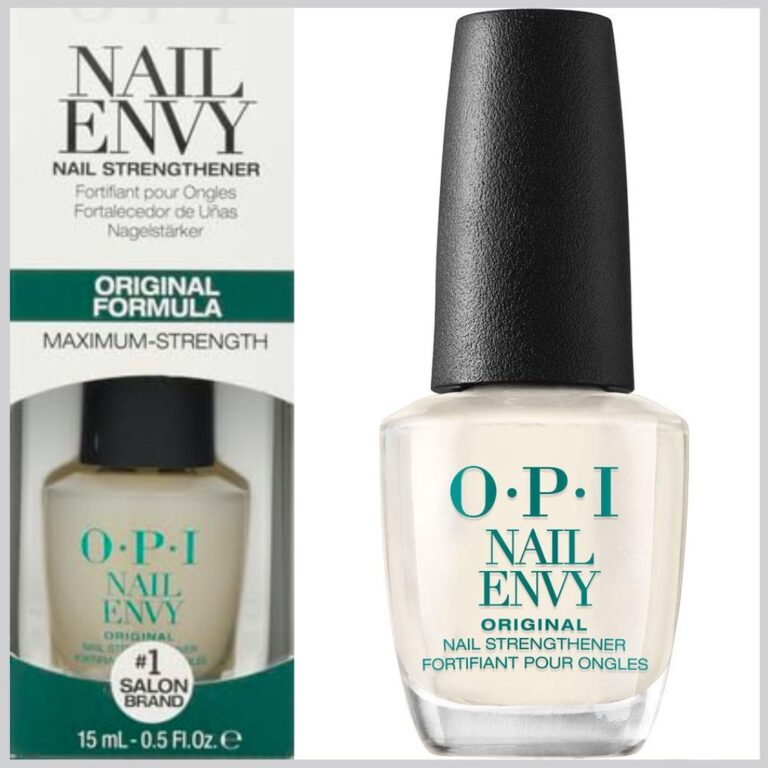
Different strengthening formulas have different overuse patterns and risks. Protein-based strengtheners like OPI Nail Envy contain hydrolyzed proteins that penetrate the nail. These can be overused by applying too many layers or not taking breaks. The excess protein builds up on the nail surface, creating rigidity. With protein strengtheners, following the weekly cycle of application and removal is crucial.
Formaldehyde-based hardeners are particularly easy to overuse because they’re so effective at creating immediate hardness. These should never be used for more than two weeks continuously. The formaldehyde cross-links the keratin proteins in your nails, and too much cross-linking makes nails extremely brittle. Many nail professionals recommend avoiding these altogether or saving them for very short-term use only.
Calcium-enriched strengtheners work by depositing minerals on the nail surface. While less harsh than formaldehyde products, they can still be overused. Excessive calcium buildup makes nails inflexible and can actually block moisture absorption. Use these according to package directions and not more frequently.
Oil-based strengthening treatments are the hardest to overuse because they provide moisture along with strengthening. However, even these can be problematic if you’re applying them multiple times daily for months on end without breaks. The constant coating can prevent your nails from interacting normally with their environment.
Hybrid products that combine strengthening with color can be particularly tricky. People often reapply these like regular nail polish—as soon as they chip. This can mean applying new layers every few days, which creates excessive buildup. With these products, follow strengthening schedules, not polish schedules.
The Importance of Reading Instructions
Every nail strengthener comes with specific usage instructions for a reason. These directions are based on testing that determined the optimal use pattern for that formula. Ignoring them because you think you know better almost always leads to problems.
Pay attention to how many coats you’re supposed to apply and how frequently. If the product says “apply two coats initially, then one coat every other day,” that’s the maximum you should use, not a minimum. Note whether you’re supposed to remove the previous application before adding a new coat, or if the product is designed to be layered. This makes a huge difference in how much product ends up on your nails.
Look for guidance on how long to use the product continuously. Many strengtheners specify that you should use them for a certain period (like four weeks) and then take a break or switch to maintenance mode. This isn’t optional—it’s crucial for preventing overuse.
Check if there are specific instructions for different nail types. Some brands offer multiple formulas (regular, dry and brittle, soft and thin), each with its own usage guidelines. Using the wrong formula or following instructions meant for a different type can lead to overuse effects.
Creating a Balanced Nail Care Routine
The key to avoiding overuse is creating a balanced routine that includes strengthening, moisturizing, and rest periods. During your active strengthening phase (typically four to six weeks), use your strengthener exactly as directed. Pair this with daily moisturizing using nail oil or cream. The strengthener provides structure, while the moisturizer maintains flexibility.
After your initial strengthening phase, transition to maintenance. This might mean reducing strengthener applications to twice weekly, or alternating between strengthening weeks and moisturizing weeks. Your nails are like any other part of your body—they respond best to variety and balance.
Build in mandatory rest weeks where you skip strengthener entirely. Every six to eight weeks, take a full week off from strengthening products. During this time, focus exclusively on moisturizing and nourishing your nails. Apply rich oils like vitamin E, jojoba, or coconut oil several times daily. This rest period allows your nails to rebalance and prevents cumulative overuse effects.
Listen to your nails throughout the process. If they start showing any signs of over-strengthening, dial back your usage immediately, even if the product instructions say you can continue. Your nails’ response is more important than the product label.
How to Recover from Overuse
If you’ve realized you’ve been overusing nail strengthener, don’t panic—you can recover. The first step is to stop using all strengthening products immediately. Give your nails a complete break from anything that hardens or strengthens. This might feel scary if you’ve been relying on strengthener to keep your nails from breaking, but it’s necessary.
Remove any existing strengthener completely. Use an acetone-free nail polish remover and make sure every trace of product is gone. This allows your natural nails to breathe and start recovering. Your nails might feel soft and vulnerable initially—this is normal. They need time to regain their natural balance.
Focus intensively on moisturizing for at least two weeks. Apply rich nail oils like vitamin E, jojoba, or coconut oil multiple times daily—four to five times isn’t too much during recovery. At night, apply a thick layer of oil or a rich hand cream and wear cotton gloves to bed. This intensive moisture treatment helps restore the flexibility that over-strengthening removed.
Take a biotin supplement if you’re not already doing so. While results take time, biotin supports the growth of healthy new nail from the base. You’re essentially trying to grow out the over-strengthened nail and replace it with healthier growth. Be patient—this takes several months since nails grow slowly.
Keep your nails short during recovery. Shorter nails are less likely to break while you’re waiting for them to regain proper strength and flexibility. You can grow them longer once they’ve recovered. Protect your recovering nails by wearing gloves for all wet work and avoiding harsh chemicals.
After two to three weeks of intensive moisturizing, you can cautiously reintroduce a very mild strengthener, but use it sparingly—once or twice a week maximum. Choose a moisturizing strengthener rather than a hardening one. Pay close attention to how your nails respond and back off immediately if you see any negative signs.
Prevention Strategies
Preventing overuse is much easier than recovering from it. Set calendar reminders for when to apply strengthener and when to take breaks. It’s easy to lose track of how frequently you’re using a product, especially if you keep it visible on your dresser. A schedule keeps you honest.
Keep a nail journal where you record what products you’re using and how your nails look and feel. This helps you identify patterns and catch overuse before it becomes severe. Note the date when you start a new product, how often you’re applying it, and any changes you observe in your nails. This record becomes invaluable for troubleshooting problems.
Limit yourself to one strengthening product at a time. Don’t use a strengthening base coat plus a strengthening treatment plus a hardening top coat. Pick one product and use only that one. If you want to try something different, finish or discontinue your current product first.
Educate yourself about your nail type and needs. Understanding whether you need strengthening, moisturizing, or both helps you choose appropriate products and use them correctly. Many people reach for strengtheners when they actually need moisturizing treatments, leading to overuse of the wrong product type.
Regularly assess your nails’ condition. Set aside time every two weeks to really look at your bare nails in good light. Are they improving? Staying the same? Getting worse? If improvement has stalled or reversed, you might be overusing your products. Honest assessment prevents long-term damage.
When Professional Help Is Needed
Sometimes what looks like overuse problems are actually signs of other issues. If your nails continue to deteriorate despite stopping strengthener use and focusing on moisture, consult a dermatologist. You might have a fungal infection, psoriasis, or another condition that needs medical treatment.
Severe brittleness that doesn’t improve with rest and moisturizing could indicate nutritional deficiencies or thyroid problems. If your nails are accompanied by other symptoms like fatigue, hair loss, or skin changes, see your healthcare provider for evaluation. Sudden changes in nail health can signal health issues that need attention.
If you experience persistent pain, swelling, or redness around your nails after using strengtheners, you might have developed an allergic reaction or contact dermatitis. This requires professional evaluation. Don’t keep using products that cause discomfort, even if they seem to be “working” otherwise.
A nail technician or dermatologist can assess whether your nail problems stem from product overuse or from improper application technique, underlying health issues, or other nail conditions. They can provide personalized guidance on the best treatment approach for your specific situation.
The Bottom Line on Nail Strengthener Use
Nail strengtheners are effective tools when used correctly, but they’re not meant to be used indefinitely at maximum strength. Your nails need a balanced approach that includes periods of strengthening, consistent moisturizing, and regular breaks from intensive treatment. More is not better when it comes to these products—following directions and listening to your nails is what produces the best results.
The signs of overuse are clear: increased brittleness, horizontal cracking, dryness, peeling, and white spots. If you notice any of these, scale back your strengthener use immediately. Focus on moisture and flexibility rather than just hardness. Remember that strong nails aren’t the same as hard nails—strong nails are resilient and flexible enough to withstand daily stress without breaking.
Use strengtheners cyclically rather than continuously. Apply them intensively for four to six weeks, transition to maintenance mode, and take regular breaks. Pair strengthening with moisturizing, and always pay attention to how your nails respond. They’ll tell you exactly what they need if you listen.
With proper use, nail strengtheners can transform weak, damaged nails into strong, healthy ones. The key is patience, moderation, and a balanced approach that respects your nails’ need for both strength and flexibility. Treat your nails well, follow product instructions, and you’ll achieve the strong, beautiful nails you’re aiming for—without the problems that come from overuse.
Have you experienced any signs of nail strengthener overuse? Share your experiences and how you recovered in the comments below!