Gel vs Regular Polish: Which Is Better for Home Manicures?
The debate between gel polish and regular polish has intensified now that gel manicures are easily achievable at home. What was once exclusively a salon service is now accessible to anyone with a UV/LED lamp and the right products. But does that mean gel is automatically better? The answer depends on your lifestyle, priorities, nail health concerns, and what you value most in a manicure. Both options have distinct advantages and drawbacks that make them better suited to different people and situations. This comprehensive guide breaks down every aspect of gel versus regular polish so you can make the right choice for your needs, whether you’re a team gel all the way or a regular polish devotee.
Understanding the Fundamental Differences
Before diving into comparisons, understanding what makes these polishes different helps clarify their respective strengths and weaknesses.
Regular nail polish, also called traditional polish, is a lacquer that dries through solvent evaporation. When you apply it, the solvents in the formula evaporate into the air, leaving behind the colored film on your nail. This process takes time—polish may feel dry to the touch within minutes, but complete curing can take hours. Regular polish comes in literally thousands of colors and finishes, from drugstore brands to high-end designer options.
Gel polish is a polymer-based formula that cures (hardens) under UV or LED light through a chemical reaction called polymerization. The light triggers molecules in the gel to cross-link and harden instantly, creating a durable finish. Gel polish doesn’t air dry at all—without the lamp, it stays wet indefinitely. This fundamental difference in how the polish sets affects everything from application to removal.
The curing process makes gel polish significantly more durable than regular polish, but it also means you need special equipment and follow specific application procedures. Regular polish is simpler—brush it on and wait for it to dry—but won’t last as long under normal wear.
Durability and Longevity: Gel Takes the Crown
If longevity is your priority, gel polish wins hands down. A properly applied gel manicure lasts 2 to 3 weeks without chipping, sometimes longer with careful wear. The cured gel is hard, durable, and resistant to the daily wear that quickly damages regular polish.
Gel polish doesn’t chip easily from typing, washing dishes, or normal activities. It maintains its glossy shine throughout its lifespan without dulling. You can go about your life—working out, swimming, cleaning—without worrying about your manicure. This durability is gel’s biggest selling point and why many people prefer it despite the extra effort and equipment required.
Regular polish typically lasts 3 to 7 days before showing significant chips or wear. With excellent application technique and diligent care, you might get 10 days, but that’s exceptional. Most people see chips within 3 to 5 days, especially on dominant hand nails that experience more wear.
The tips chip first, followed by edges and areas that experience friction or impact. Regular polish also dulls over time, losing its initial glossy shine even if it hasn’t chipped. This means even if your regular polish isn’t technically chipped, it often looks tired after less than a week.
For people who want set-it-and-forget-it nails, gel is unbeatable. If you don’t mind refreshing your manicure weekly or can’t wear the same look for weeks, regular polish’s shorter lifespan is less of a drawback.
Application Process: Regular Polish Is Simpler
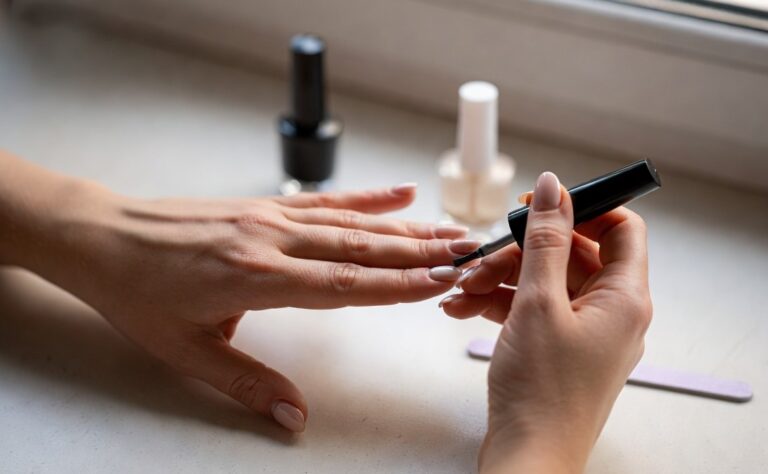
Regular polish application is straightforward: prep your nails, apply base coat, add two coats of color, finish with top coat, and wait for everything to dry. No special equipment needed beyond the polish bottles themselves. The entire process, excluding drying time, takes 15 to 30 minutes.
The main challenge with regular polish is the drying time. While modern quick-dry formulas and top coats help, you still need to be careful for at least an hour after application. Smudges happen, and there’s always the risk of denting your fresh manicure if you’re not patient enough.
Gel polish application requires more steps and equipment. You need a UV or LED lamp, gel base coat, gel color polish, gel top coat, and usually alcohol or gel cleanser for wiping away the tacky layer. The process involves applying thin layers of each product, curing under the lamp between each layer, and finishing with a cleanse to remove residue.
The gel process takes 30 to 45 minutes for a full manicure, factoring in multiple cure cycles. However, once you remove your nails from the lamp after the final cure, your manicure is completely dry and ready for normal use. No waiting, no worry about smudging—instant gratification in that sense.
For beginners, regular polish is more forgiving. Mistakes can be fixed easily with remover and a cotton swab. With gel, mistakes require removing the entire layer, which wastes product and time. The learning curve for gel is steeper, though most people master it after a few attempts.
Removal Process: Regular Polish Wins for Ease
Regular polish removal is quick and straightforward. Soak a cotton pad with acetone-free remover, press it against your nail for a few seconds to dissolve the polish, then wipe it away. The entire process takes 2 to 5 minutes for all ten nails. If you’re in a hurry, you can remove regular polish in under a minute, though that’s not ideal for nail health.
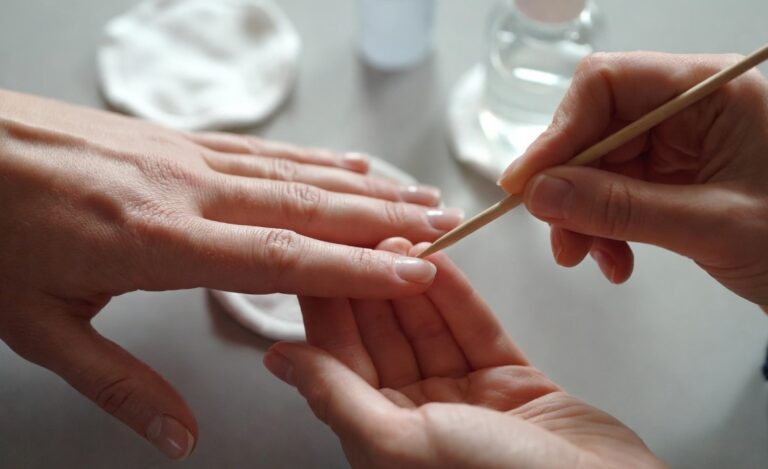
Gel removal is significantly more involved. You need to soak nails in acetone for 10 to 15 minutes to break down the gel, often using cotton wrapped in foil to maintain acetone contact. After soaking, the softened gel is gently scraped off with a cuticle pusher or wooden stick. The process takes 20 to 30 minutes minimum.
Improper gel removal—peeling or picking it off—causes severe damage to natural nails, removing layers of the nail plate along with the gel. This is one of gel polish’s biggest downsides. Many people damage their nails not from the gel itself, but from improper removal.
Some gel systems now offer easier removal or “soak-off” formulas that dissolve more quickly, but even the best still require significantly more time and effort than regular polish removal. If you like changing your nail color frequently, this removal time adds up.
Nail Health Impact: Both Can Be Safe or Damaging
The impact on nail health depends more on application and removal technique than on whether you’re using gel or regular polish. Both can be worn safely, and both can cause damage if used improperly.
Regular polish is generally gentler on nails because it doesn’t require UV exposure or aggressive removal. The main health concern is overuse of acetone-based removers, which dry out nails. Using acetone-free remover and moisturizing regularly prevents most issues. Wearing regular polish continuously without breaks can cause yellowing or dehydration, but giving nails occasional polish-free weeks prevents this.
Gel polish requires UV or LED light exposure. Modern LED lamps use wavelengths that primarily cure gel rather than tanning skin, and exposure time is brief—30 to 60 seconds per cure cycle. The skin cancer risk is considered minimal by most dermatologists, though some people wear fingerless gloves or apply sunscreen for extra protection.
The bigger nail health concern with gel is removal. Acetone soaking for 10+ minutes is harsh on nails, stripping oils and moisture. This is why dermatologists recommend taking breaks from gel every few months—not because of the gel itself, but because of cumulative acetone exposure.
Improper gel removal causes the most damage. Peeling off gel tears away nail layers, leaving nails thin, weak, and damaged. This recovery can take months. Proper removal is essential but time-consuming, which is why some people take shortcuts that damage their nails.
For optimal nail health with either polish type: use acetone-free remover for regular polish, ensure proper gel removal (never peel), take breaks from polish regularly, moisturize nails and cuticles daily, and give nails rest periods between manicures.
Cost and Investment: Regular Polish Is More Economical
The initial investment differs significantly between gel and regular polish systems. Regular polish requires only the polish bottles—base coat, colors, and top coat. You likely already have remover and cotton pads. Getting started costs the price of a few polish bottles, and you can begin with just one color if desired.
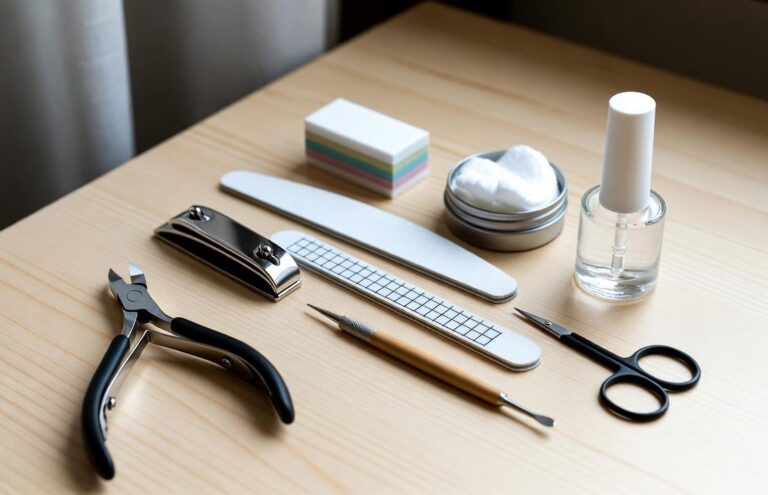
Gel polish requires a UV or LED lamp plus gel base coat, color polishes, and top coat. Quality lamps are essential for proper curing and range from budget-friendly to professional-grade. You’ll also need acetone, cotton, and foil for removal. The startup cost is substantially higher than regular polish.
However, cost-per-wear calculations change the equation. A gel manicure lasting 2 to 3 weeks means roughly two manicures per month. Regular polish lasting 5 days means six or more manicures per month. Over time, you use less gel polish than regular polish because applications are less frequent.
Gel bottles typically contain less product than regular polish bottles but last longer because you need less per application and apply less frequently. Still, the lamp investment is significant and specific to gel—you can’t use regular polish with a UV lamp or gel polish without one.
For budget-conscious beginners, regular polish makes more sense. Once you’re committed to home manicures and want longer wear, investing in a gel setup becomes worthwhile.
Color Selection and Variety: Regular Polish Dominates
Regular polish offers virtually unlimited color and finish options. Every brand makes regular polish, from drugstore to luxury, indie to mainstream. Seasonal colors, limited editions, special effects, and every shade imaginable are available. If you love variety and trying new colors frequently, regular polish provides endless options.
Special effects in regular polish include magnetic polishes, thermal color-changers, holographic finishes, multichrome shifts, and countless glitter and shimmer variations. These fun formulas are widely available and affordable.
Gel polish selection is growing but still more limited than regular polish. Major brands have extensive gel lines, and gel options include many colors and some special effects. However, you won’t find the same breadth of variety, especially in indie brands or limited edition collections.
Some special effects don’t translate well to gel formulas or require specific techniques. Thermal polishes, for instance, are more common in regular polish. Very specific colors or niche finishes might not be available in gel.
That said, gel selection is sufficient for most people. Major brands offer hundreds of shades, and the selection expands constantly. If you’re someone who rotates through favorite go-to colors rather than chasing every new release, gel options will satisfy you.
Flexibility and Convenience: It Depends on Your Definition
For daily wear convenience, gel wins. Apply once, cure, and forget about it for weeks. No worrying about chips, no being careful after application, no maintenance beyond normal cuticle care. You can live your life fully without thinking about your nails.
For application and removal convenience, regular polish wins. Quick application, easy removal, and the ability to change colors on a whim. No equipment needed beyond bottles and basic supplies. You can do your nails anywhere, anytime.
Consider your lifestyle: If you travel frequently, regular polish is more convenient—no need to pack a lamp. Gel requires bringing equipment or going without manicures during trips. If you work with your hands extensively—healthcare, food service, childcare—gel’s durability outweighs application convenience. If you love changing colors frequently to match outfits or moods, regular polish’s easy removal is liberating.
If your hands are in water constantly, gel protects better than regular polish. If you have sensitive skin or health conditions making UV exposure concerning, regular polish eliminates that consideration.
Shine and Finish: Gel Provides Superior Gloss
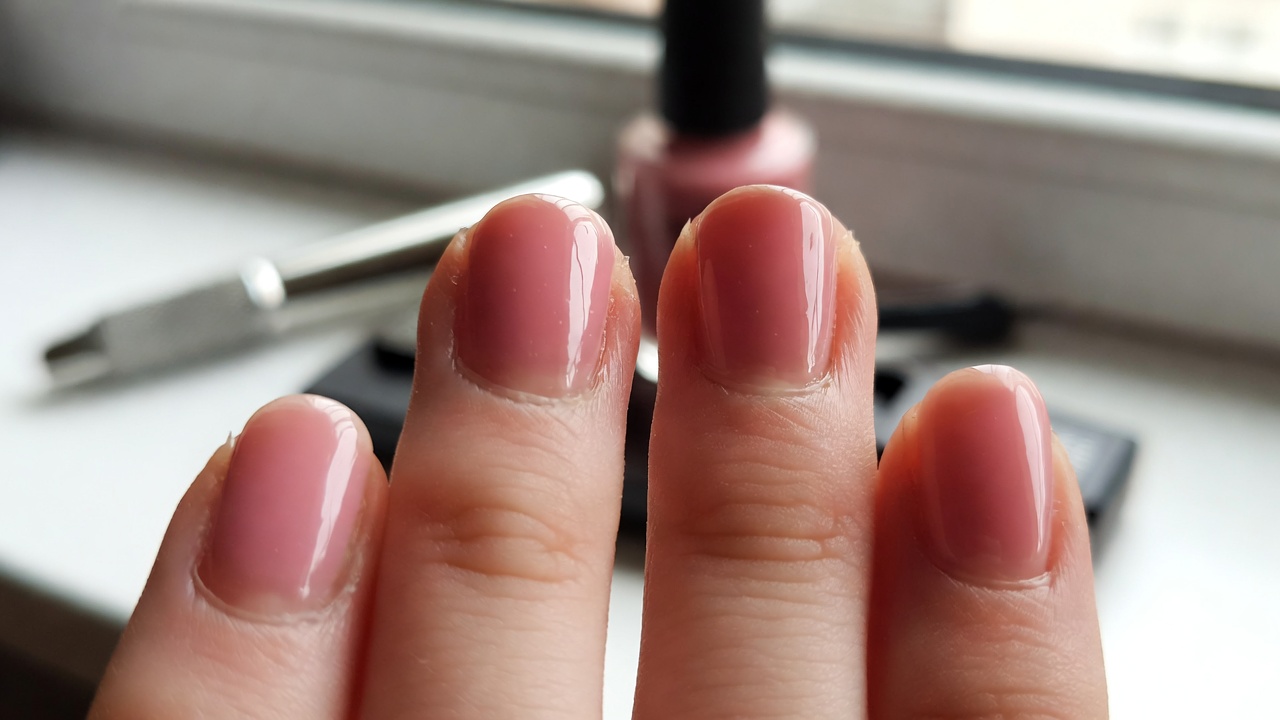
Gel polish delivers an exceptionally glossy, glass-like finish that lasts the entire manicure lifespan. That showroom shine doesn’t dull, chip, or fade. If you love ultra-shiny nails, gel’s finish is unmatched.
Regular polish can achieve beautiful shine with quality top coat, but it dulls over days of wear. Even if the color hasn’t chipped, the glossy finish diminishes. Reapplying top coat every few days refreshes shine, but this maintenance is necessary to maintain that fresh look.
The thickness of gel polish also creates a slightly plumper, more dimensional appearance on nails. Some people love this look, while others prefer the thinner, more natural feel of regular polish.
Practicality for Different Lifestyles
Your daily activities should influence your choice. Active lifestyles—frequent exercise, outdoor activities, sports—favor gel polish. It withstands sweat, impact, and activity better than regular polish. Athletes often find regular polish chips immediately, while gel survives their workout routines.
Office workers can go either way. Gel lasts through typing and computer work beautifully, but regular polish works fine if you’re gentle and don’t mind weekly touch-ups. Gel looks consistently polished for important meetings and presentations.
Parents with young children often prefer gel because it survives the chaos of childcare—frequent hand washing, diaper changes, meal prep. Regular polish chips quickly from constant exposure to these activities.
People who work from home might prefer regular polish for the flexibility to change colors easily without the commitment of weeks-long wear. Creative types who enjoy nail art as a hobby often choose regular polish for easy experimentation.
Water exposure is gel’s territory. Swimmers, dishwashers by profession, or anyone with frequent significant water exposure needs gel’s water resistance. Regular polish doesn’t hold up to extended water exposure.
Learning Curve and Skill Development
Regular polish is beginner-friendly with room for skill development. Basic application is straightforward enough for first-timers, while advanced techniques like cleanup, bubble prevention, and achieving salon-quality finish take practice. Most people achieve decent results on their first try and improve steadily.
Gel polish has a steeper learning curve. You need to master proper nail prep, understand cure times for your specific lamp, learn to apply thin enough coats for proper curing, and develop removal technique. Early attempts might not cure properly, might be too thick, or might peel prematurely.
However, once you master gel application, the results are consistently excellent. The curing process is forgiving in some ways—you have time to perfect placement before curing, and cured gel doesn’t smudge. With regular polish, you can apply perfectly but still smudge during drying.
Both polish types reward practice and technique development. Neither is so difficult that the average person can’t master it with patience and attention to detail.
Environmental and Health Considerations
Regular polish releases VOCs (volatile organic compounds) as solvents evaporate during drying. This creates the characteristic nail polish smell. Well-ventilated application areas minimize exposure, and many brands now offer low-VOC formulas.
Gel polish doesn’t release VOCs during curing but requires UV exposure. As mentioned, the risk is considered minimal with modern LED lamps and brief exposure times, but it’s a consideration for people particularly concerned about UV exposure or with relevant medical conditions.
Disposal differs between the two. Regular polish bottles can be disposed of once empty (following local hazardous waste guidelines). Gel requires disposing of the lamp eventually, which is electronic waste. Neither is particularly eco-friendly, though some brands are working toward more sustainable packaging.
For people with chemical sensitivities, gel polish often has less odor during application, but the acetone soak during removal is harsh. Regular polish has more smell during application but gentler removal.
Making Your Decision: Key Questions to Ask
To choose between gel and regular polish, consider these questions honestly:
How long do you want your manicure to last? If the answer is 2+ weeks, gel is your choice. If you’re happy with less or enjoy weekly changes, regular polish works.
Do you mind spending time on removal? If not, gel is fine. If you want quick, easy removal, choose regular polish.
Is initial cost a concern? Gel requires upfront lamp investment. Regular polish has minimal startup costs.
Do you want maximum color variety? Regular polish offers more options. If you have favorite go-to colors, gel selection is sufficient.
How active is your lifestyle? Very active lifestyles favor gel’s durability. Sedentary or gentle lifestyles can sustain regular polish.
Do you enjoy frequently changing nail colors? Regular polish makes this easy and fun. Gel’s commitment to one color for weeks might feel limiting.
Are you patient with learning curves? Gel requires more initial learning. Regular polish is immediately accessible.
Do you have concerns about UV exposure? Even minimal UV might be a dealbreaker for some. Regular polish eliminates this consideration entirely.
A Hybrid Approach: The Best of Both Worlds
You don’t have to choose permanently. Many nail enthusiasts alternate between gel and regular polish based on circumstances. Use gel when you need longevity—vacations, busy work periods, special events lasting days. Switch to regular polish when you want variety, have time for weekly manicures, or want to give nails a break from gel.
Alternating also provides built-in recovery time for nails. Use gel for two months, then switch to regular polish for a month. This gives nails a break from acetone soaks while still enjoying gel benefits most of the time.
You might also use different polishes for different occasions. Gel for your “go-to” everyday neutral but regular polish for fun weekend colors and nail art experiments.
The Verdict: Both Have Their Place
There’s no universal “better” option—it depends entirely on your priorities, lifestyle, and preferences. Gel polish excels at durability, longevity, and surviving active lifestyles. It’s ideal for people who want to do their nails once and forget about them for weeks, who need manicures that withstand water and wear, or who prioritize ultra-glossy, chip-free finish above all else.
Regular polish wins for convenience, variety, cost-effectiveness for beginners, ease of removal, and flexibility to change looks frequently. It’s perfect for people who enjoy weekly manicure rituals, love trying new colors constantly, want the simplest process possible, or prefer not to invest in specialized equipment.
The best choice for home manicures is the one that fits your life, meets your needs, and makes you happy when you look at your nails. Both gel and regular polish can deliver beautiful, satisfying results. Choose based on what matters most to you, not on which option is objectively “better.”
Consider trying both before committing fully to one. Many people assume they’ll prefer gel only to discover they miss the flexibility of regular polish. Others try regular polish first but quickly get frustrated with chips and invest in gel.
Your perfect nail routine might include both, using each for what it does best. The important thing is having options that work for you, deliver results you love, and fit into your life seamlessly. Whether you’re team gel, team regular, or team both, the tools and knowledge to achieve beautiful home manicures are available. Choose what works for you and enjoy gorgeous nails on your terms.
Which do you prefer—gel or regular polish? What factors influenced your choice? Share your experiences and preferences in the comments to help others decide!