How to Grow Nails Faster Naturally: What Actually Works
We’ve all been there—you break a nail and desperately want it to grow back quickly, or you’re trying to grow out damage from acrylics or gel polish. The internet is full of miracle cures promising to double your nail growth rate overnight, but the reality is more nuanced. While you can’t dramatically speed up nail growth (your genetics largely determine your growth rate), you can optimize conditions to help your nails grow at their healthiest, fastest rate possible. Let’s separate the methods that actually work from the myths and wishful thinking, focusing on evidence-based approaches that support optimal nail growth.
Understanding How Nails Actually Grow
Before diving into growth methods, understanding the process helps set realistic expectations. Your nails grow from the nail matrix, a hidden area beneath your cuticle at the base of your nail. This matrix constantly produces new nail cells that push older cells forward, creating the nail plate you see.
Fingernails grow an average of 3 to 4 millimeters per month, or about one-tenth of a millimeter per day. This means it takes approximately three to six months for a fingernail to completely grow out from base to tip. Toenails grow about half as fast as fingernails, taking 12 to 18 months for complete regrowth.
Your growth rate is primarily determined by genetics, age, and overall health. You can’t change your genetic baseline, but you can ensure your nails grow at their optimal rate rather than a slower, compromised rate. Most “nail growth” strategies don’t actually speed growth—they prevent breakage, which allows nails to achieve their maximum length. A nail growing at a normal rate but constantly breaking will never get long.
Several factors influence nail growth rate: age (nails grow fastest in your teens and twenties, slowing as you age), season (nails grow faster in summer than winter), dominant hand (nails on your dominant hand grow slightly faster), hormones (pregnancy often speeds nail growth), and overall health (illness, poor nutrition, or stress can slow growth).
Understanding these fundamentals helps set realistic goals. You’re not going to triple your growth rate, but you can potentially increase it by 10-20% while dramatically reducing breakage.
Biotin: The One Supplement with Real Evidence
If you’re going to take a supplement for nail growth, biotin is the only one with solid scientific backing. Multiple studies have shown that biotin supplementation can improve nail thickness, reduce splitting and breaking, and may modestly increase growth rate in people who are deficient.
Biotin, also called vitamin B7, is a water-soluble vitamin that plays a crucial role in keratin production—and keratin is what your nails are made of. Your body can’t store biotin, so you need regular intake through diet or supplementation.
The effective dosage for nail health is 2.5 to 5 milligrams (mg) daily. Most multivitamins contain only 30 to 100 micrograms (mcg), which isn’t enough to impact nail growth. You need a dedicated biotin supplement to reach therapeutic levels. Because biotin is water-soluble, your body eliminates excess through urine, making overdose unlikely though not impossible at extremely high doses.
The catch with biotin is patience. You won’t see results for two to three months because you’re waiting for new, healthier nail to grow out from the base. Any nail that’s already visible when you start taking biotin won’t be affected—only new growth benefits. This long timeline is why many people give up too soon and conclude biotin doesn’t work.
Research shows biotin is most effective for people with brittle nails, nail splitting, or soft nails. If you already have strong, healthy nails, biotin may not produce noticeable changes. It’s addressing a deficiency or suboptimal state, not creating superhuman nail growth.
Before starting biotin supplements, know that high doses can interfere with certain lab tests, including thyroid tests and troponin tests used to diagnose heart attacks. Tell your healthcare provider if you’re taking biotin before any blood work.
Food sources of biotin include egg yolks (cooking is important—raw egg whites contain a protein that blocks biotin absorption), nuts and seeds especially almonds and sunflower seeds, sweet potatoes, salmon, avocados, and organ meats like liver. While food sources are healthier overall, it’s difficult to get therapeutic levels from diet alone if you’re trying to improve nail growth.
Protein: The Building Block Your Nails Need
Your nails are made almost entirely of a protein called keratin. Inadequate protein intake directly impacts nail growth and strength because your body doesn’t have the raw materials needed for nail production. If you’re not eating enough protein, improving your intake can dramatically improve nail growth.
The recommended dietary allowance for protein is 0.8 grams per kilogram of body weight, but this is the minimum to prevent deficiency, not the optimal amount for maximum nail health. For nail growth, aim for 1.2 to 1.6 grams per kilogram of body weight, or roughly 0.5 to 0.7 grams per pound.
High-quality protein sources include lean meats like chicken, turkey, and beef, fish and seafood, eggs (excellent because they contain both protein and biotin), dairy products like Greek yogurt and cottage cheese, legumes like lentils and chickpeas, and plant-based options like tofu, tempeh, and edamame.
Spread your protein intake throughout the day rather than consuming it all in one meal. Your body can only use so much protein at once for tissue building, and steady availability throughout the day supports continuous nail growth.
Vegetarians and vegans need to be especially mindful of protein intake because plant proteins often lack one or more essential amino acids. Combining different plant protein sources (like rice and beans) ensures you get all essential amino acids needed for keratin synthesis.
Signs you’re not getting enough protein include slow nail growth, brittle or soft nails, ridges developing on nails, hair loss or thinning, and general fatigue or weakness. If you notice these symptoms, evaluate your protein intake before turning to supplements.
Hydration: The Often-Overlooked Essential
Dehydrated nails are brittle, prone to peeling and breaking, and don’t reach their maximum length potential. Your nails are approximately 18% water, and maintaining adequate hydration is crucial for flexible, strong nails that resist breaking.
Drinking enough water benefits nails from the inside. The general recommendation is eight 8-ounce glasses daily, but individual needs vary based on body size, activity level, and climate. A better indicator is urine color—pale yellow indicates good hydration, while dark yellow suggests you need more water.
Your nail hydration status reflects your overall hydration. If you’re chronically dehydrated, it shows up in your nails within a few weeks. They become brittle, inflexible, and prone to cracking. Rehydrating reverses this, though it takes time for hydrated nail to grow out and replace the dehydrated portions.
External hydration matters too. Frequently wetting and drying your hands (like washing dishes or extensive hand washing) causes nails to expand when wet and contract when dry. This constant cycle weakens nails and causes peeling. Wearing gloves for wet work protects nails from this damage.
Moisturizing your nails and cuticles externally helps seal in moisture and prevents the drying effects of environmental exposure. This is separate from internal hydration but equally important for maintaining nail flexibility and preventing breakage.
Cuticle Oil: The Single Best Topical Treatment
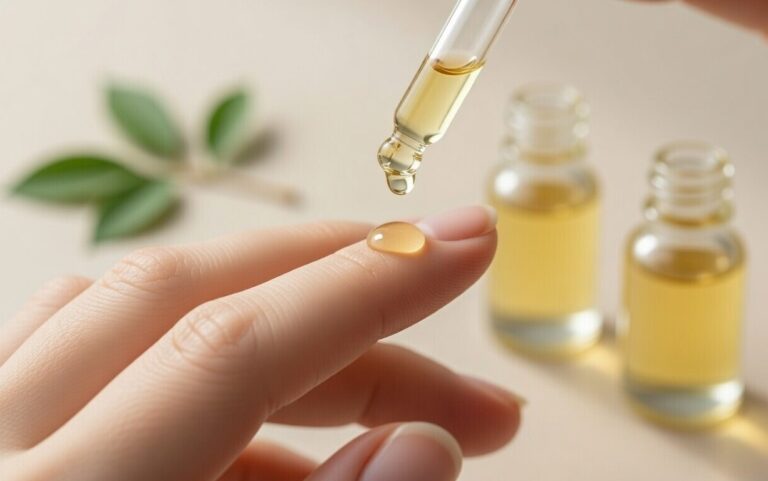
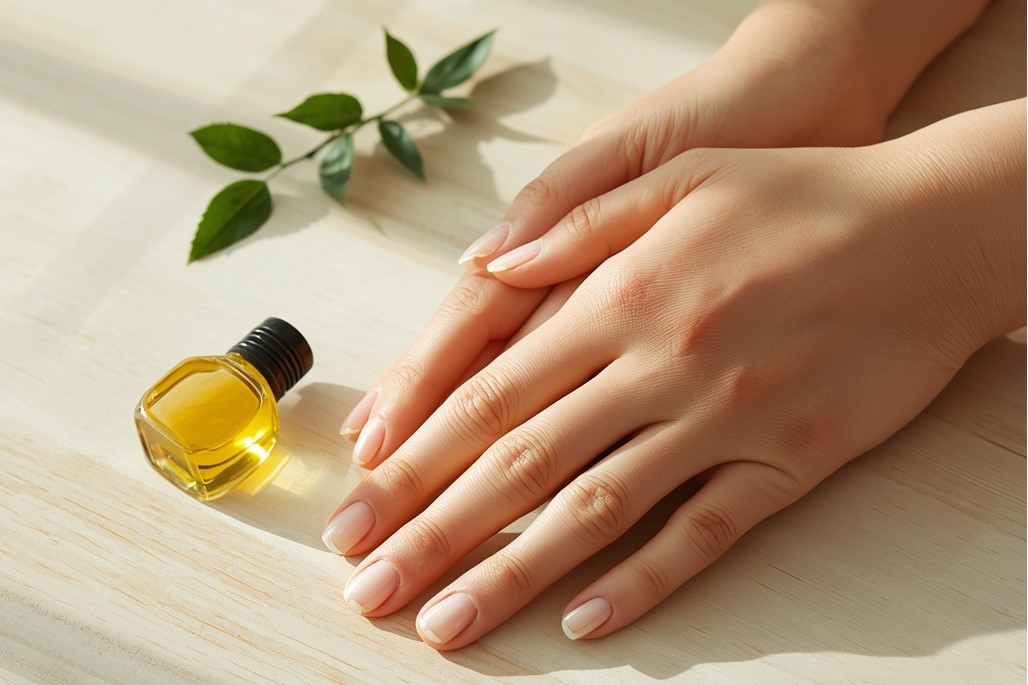
If you’re only going to do one thing topically to improve nail growth and health, make it regular cuticle oil application. This simple habit has more impact than any other external treatment, and the science supports it.
Cuticle oil moisturizes the nail matrix—the growth area beneath your cuticle where new nail cells form. A well-moisturized matrix produces healthier nail cells that create stronger, more flexible nails. Dry matrices produce dry, brittle nails prone to breaking.
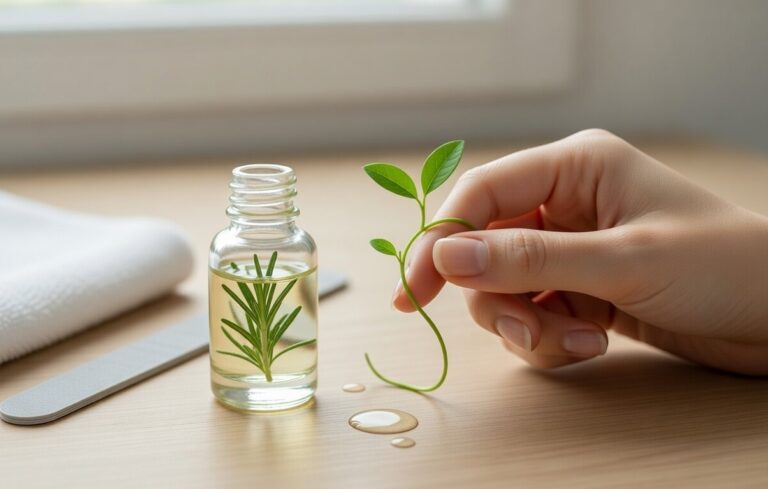
The best oils for nails are jojoba oil (most closely resembles natural skin oils and absorbs excellently), vitamin E oil (antioxidant properties support nail health), sweet almond oil (lightweight and nourishing), and argan oil (rich in nutrients and absorbs well). Commercial cuticle oils typically blend several of these for maximum benefit.
Apply cuticle oil at least twice daily—morning and night are ideal times. Massage it into your cuticles and nail beds, spending 30 seconds per hand. The massage improves blood circulation to the nail area, which supports better nutrient delivery and potentially faster growth.
The mechanism is straightforward: well-moisturized nails are flexible rather than rigid. Flexible nails bend slightly under stress instead of cracking or breaking. This means nails actually reach their full length rather than breaking off prematurely. You’re not growing faster necessarily, but you’re retaining length.
Consistency is key with cuticle oil. Sporadic application doesn’t produce results. Daily use over weeks and months creates measurably stronger, longer nails. Keep cuticle oil in multiple locations—beside your bed, at your desk, in your purse—so you remember to apply it frequently.
Iron and Zinc: The Mineral Connection
Iron and zinc deficiencies are surprisingly common and directly impact nail health. These minerals play crucial roles in cell division and protein synthesis—both essential for nail growth.
Iron deficiency causes brittle nails that crack easily, pale or spoon-shaped nails (called koilonychia in severe cases), and vertical ridges. Even mild iron deficiency can slow nail growth and reduce nail quality. Women are particularly prone to iron deficiency due to menstruation.
Good iron sources include red meat (heme iron, which absorbs better than plant sources), fortified cereals, spinach and other leafy greens, legumes, and pumpkin seeds. Vitamin C enhances iron absorption, so pair iron-rich foods with citrus, tomatoes, or bell peppers.
Zinc deficiency manifests as white spots on nails, slow growth, and increased susceptibility to nail infections. Zinc is essential for protein synthesis and cell division in the nail matrix. Without adequate zinc, nail production slows noticeably.
Zinc-rich foods include oysters (the absolute best source), beef and lamb, pumpkin seeds and sesame seeds, chickpeas and lentils, and cashews and almonds. The recommended daily intake is 8-11 mg for adults.
Before self-supplementing iron or zinc, consider getting blood work to confirm a deficiency. Both minerals can cause problems in excess. Iron overload damages organs, and too much zinc interferes with copper absorption. Food sources are generally safer than high-dose supplements.
If blood work confirms deficiency, supplementation under medical guidance can dramatically improve nail growth. People with diagnosed deficiencies often see remarkable improvement in nail quality within a few months of proper supplementation.
Omega-3 Fatty Acids: For Flexibility and Strength
Omega-3 fatty acids reduce inflammation throughout your body, including around nail beds, and help maintain nail flexibility. They’re incorporated into cell membranes in the nail matrix, producing more resilient nail cells.
The best sources are fatty fish like salmon, mackerel, sardines, and herring (aim for two servings per week), walnuts and flaxseeds (plant-based options, though less efficiently converted by the body), and fish oil or algae oil supplements if you don’t eat fish regularly.
Omega-3s don’t dramatically speed nail growth, but they improve nail quality. Nails with adequate omega-3s are less brittle, more flexible, and resist cracking and peeling better. This means they reach their maximum length potential rather than breaking off prematurely.
The anti-inflammatory properties of omega-3s also benefit the nail bed and cuticles, creating a healthier environment for nail growth. Chronic inflammation in these areas can slow growth and cause nail problems.
For supplementation, choose high-quality fish oil or algae oil with at least 250-500 mg of EPA and DHA combined. Take with food for better absorption. Results take two to three months to become visible as new nail grows out.
What Doesn’t Actually Work (Despite Popular Claims)
Let’s address common myths about nail growth that waste time and money. Gelatin supplements and soaking nails in gelatin don’t work—the idea that gelatin strengthens nails because both contain protein is flawed. Dietary protein works, but topical gelatin provides no benefit, and gelatin supplements aren’t superior to other protein sources.
Nail “growth” polishes claiming to dramatically speed growth are largely marketing. Some contain moisturizing ingredients that prevent breakage, which is helpful, but they don’t actually accelerate the growth rate of your nail matrix. Any benefits come from protection and moisture, not from miraculous growth stimulation.
Garlic rubbed on nails, toothpaste applied to nails, lemon juice soaks—these folk remedies have no scientific basis and can actually damage nails. Acidic treatments like lemon can dry and weaken nails. Toothpaste may contain abrasives that scratch nail surfaces.
Vitamins A, C, D, and E are important for overall health, but supplementing them beyond adequate levels doesn’t significantly impact nail growth unless you were deficient. A balanced diet generally provides sufficient amounts without supplementation.
Massaging nails or tapping them to “stimulate growth” has minimal if any effect. While massage with oil is beneficial (from the oil, not the massage), simply massaging or tapping bare nails doesn’t increase blood flow enough to impact growth rate.
Protecting Your Nails: As Important as Growing Them
Growing nails faster matters little if they break constantly. Protection strategies are crucial for achieving visible length.
Always wear gloves for wet work—dishes, cleaning, gardening. Water exposure is one of the biggest causes of nail weakness and peeling. The expand-and-contract cycle of wet and dry nails damages their structure over time.
Keep nails at a shorter length while building strength. Shorter nails are less prone to breaking and give you a strong foundation. Once your nails are healthier from your improved routine, you can gradually grow them longer.
File nails properly using a glass file in one direction only. Sawing back and forth creates micro-tears that lead to splitting. Always file in the same direction, from side to center, holding the file at a slight upward angle.
Avoid using nails as tools. Don’t use them to pry things open, scratch off stickers, or pick at things. Use your fingertips instead of nail tips for tasks like typing or pressing buttons. Every instance of using nails as tools creates tiny damage that accumulates.
Give your nails breaks from polish, gel, and acrylics. These enhancements can weaken natural nails over time. Periodic polish-free weeks allow nails to breathe and recover, especially if you moisturize diligently during breaks.
Don’t bite or pick at your nails. This habit damages the nail matrix and cuticles, directly interfering with healthy growth. If biting is a persistent problem, consider bitter-tasting nail polish designed to break the habit, or address underlying anxiety or stress triggers.
The Lifestyle Factors That Matter
Beyond specific nutrients and treatments, overall lifestyle significantly impacts nail health. Managing stress is important because chronic stress diverts resources away from non-essential functions like nail growth. Stress also commonly leads to nail biting or picking. Finding healthy stress management techniques protects your nails.
Getting adequate sleep allows your body time for repair and regeneration, including nail growth. The nail matrix is most active during sleep. Consistently poor sleep can slow nail growth noticeably. Aim for seven to nine hours nightly.
Regular exercise improves circulation throughout your body, including to your extremities. Better blood flow to nail matrices means better nutrient delivery and potentially faster, healthier growth. You don’t need intense workouts—regular walking or moderate activity provides benefits.
Avoid smoking, which restricts blood flow to extremities and can yellow nails. Smokers often have slower nail growth and poorer nail quality than non-smokers. If you smoke, quitting improves many aspects of health including nail growth.
Limit alcohol consumption, as excessive drinking depletes nutrients important for nail health, particularly B vitamins and zinc. Moderate consumption is generally fine, but heavy drinking over time impacts nail quality.
Creating Your Nail Growth Plan
Rather than trying everything at once, create a systematic approach:
Immediate Actions (Start Today):
- Begin applying cuticle oil twice daily
- Assess your protein intake and increase if needed
- Start wearing gloves for wet work
- Improve your nail care technique (proper filing, no biting)
Week 1-2:
- Start a biotin supplement (2.5-5 mg daily)
- Evaluate your overall diet for protein, iron, and zinc
- Establish a consistent hydration routine
- Set up reminders for cuticle oil application
Month 1:
- Continue all habits consistently
- Take “before” photos to track progress
- Assess if dietary changes are needed
- Consider blood work if you suspect deficiencies
Month 2-3:
- You should start seeing improvements in new growth
- Continue all habits—this is where people often quit
- Take progress photos
- Adjust your routine based on what’s working
Month 3+:
- Visible improvement should be clear
- Maintain successful habits long-term
- Continue protecting nails from damage
Realistic Expectations and Timeline
Be honest about what’s achievable. You cannot double or triple your nail growth rate through any natural method. At best, you might increase growth by 10-20% by optimizing all factors. The real benefit comes from preventing breakage so nails reach their full potential length.
Visible improvement takes two to three months minimum because you’re waiting for new, healthier nail to grow out from the base. The nail you can currently see won’t change dramatically—you’re investing in future growth.
Some people naturally have faster nail growth than others due to genetics. Your goal should be achieving your personal optimal growth rate, not comparing to others.
Consistency matters more than perfection. Applying cuticle oil five days a week is much better than applying it perfectly for two weeks then forgetting about it. Build sustainable habits rather than unsustainable perfection.
When to See a Doctor
Sometimes slow nail growth or poor nail quality indicates underlying health issues. Consult a healthcare provider if your nails are growing much slower than normal or have stopped growing, show dramatic changes in color, texture, or shape, develop painful swelling or infection around nails, or if you have other symptoms like fatigue, hair loss, or unexplained weight changes.
Thyroid disorders, anemia, malnutrition, psoriasis, and other conditions can manifest in nails. If lifestyle changes and good nutrition don’t improve your nails after three to four months, medical evaluation is warranted.
The Bottom Line
Growing nails faster naturally comes down to optimization, not miracles. The methods that actually work are biotin supplementation (2.5-5 mg daily), adequate protein intake throughout the day, proper hydration both internal and external, consistent cuticle oil application twice daily, ensuring adequate iron and zinc through diet or supplements if deficient, protecting nails from damage and excessive water exposure, and giving your body time—two to three months minimum to see results.
These aren’t exciting miracle cures, but they’re what actually works based on scientific evidence and practical experience. You’re creating optimal conditions for nail growth by providing the nutrients your body needs, keeping nails moisturized and flexible, and protecting them from damage.
The secret to long nails isn’t necessarily growing them faster—it’s preventing them from breaking so they reach their maximum length. A nail growing at an average rate but never breaking will always be longer than a nail growing slightly faster but breaking frequently.
Start with the basics: biotin, protein, hydration, and cuticle oil. These four foundations will produce more results than dozens of expensive miracle treatments. Be patient, be consistent, and give your nails the time they need to show improvement. In three to six months, you’ll have noticeably stronger, longer nails that reflect your commitment to proper nail care.
What methods have worked for your nail growth? Have you noticed any supplements or habits that made a real difference? Share your experiences in the comments!