Nail Strengthener vs Hardener: What’s the Difference and Which Do You Need?
Standing in the nail care aisle, you’ve probably noticed bottles labeled “strengthener” and others labeled “hardener,” wondering if they’re just marketing terms for the same product. The truth is, while these products seem similar, they work differently and are designed for distinct nail problems. Using the wrong one can actually make your nail issues worse. Let’s break down exactly what each product does and help you figure out which one your nails need.
The Key Difference Explained
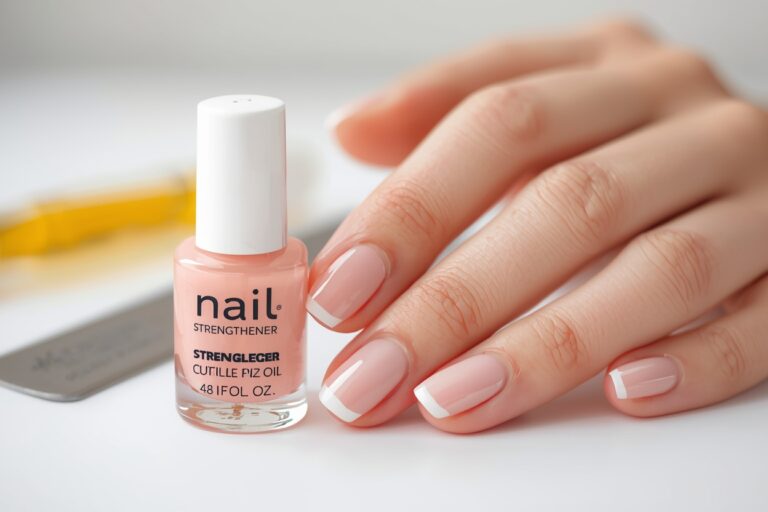
The confusion is understandable because both products aim to improve nail health, but they take fundamentally different approaches. A nail strengthener works by improving the overall structure and integrity of your nails, making them more resilient and less prone to damage. Think of it as fortifying your nails from within, building up their natural defense system.
A nail hardener, on the other hand, creates a rigid, protective barrier on the nail surface. It makes nails physically harder and more resistant to bending. Hardeners typically work faster and produce more dramatic immediate results, but they don’t address underlying nail health issues.
How Nail Strengtheners Work
Nail strengtheners focus on rebuilding and reinforcing the nail’s natural structure. They contain proteins, particularly keratin and hydrolyzed wheat or silk proteins, that penetrate the nail plate and help repair damage at a cellular level. These proteins essentially fill in gaps and weak spots in the nail structure.
Most strengtheners also include conditioning agents like panthenol, vitamins, and natural oils that maintain flexibility while adding strength. This is crucial because nails need to be strong enough to withstand stress but flexible enough to absorb impact without shattering. A truly strong nail has some give to it.
Strengtheners work gradually, improving nail health over weeks rather than days. They’re designed for long-term use and actually improve the quality of new nail growth. The results are sustainable because you’re addressing the root cause of weak nails rather than just masking the problem.
How Nail Hardeners Work
Nail hardeners take a more aggressive approach. They typically contain ingredients like formaldehyde, toluene sulfonamide, or high concentrations of nitrocellulose that create a hard, inflexible coating on the nail. This coating physically prevents the nail from bending or flexing.
The hardening effect is immediate and dramatic. Your nails will feel noticeably harder within a day or two of application. For someone with extremely soft nails that bend like paper, this can seem like a miracle cure. The problem is that excessive hardness makes nails brittle and prone to snapping rather than bending under pressure.
Many hardeners also contain drying agents that remove moisture from the nail. This creates temporary hardness but can lead to brittleness and cracking over time. Some people use hardeners successfully for short-term fixes, but they’re not ideal for building long-term nail health.
Signs You Need a Strengthener
Your nails are telling you they need a strengthener if they’re peeling in layers, a condition called onychoschizia where the nail plate separates into thin sheets. This indicates structural damage that needs rebuilding, not just surface hardening. Strengtheners are also ideal if your nails break easily despite being fairly hard, suggesting they lack flexibility and resilience.
If you have thin nails that tear easily or nails that have been damaged by frequent gel or acrylic applications, a strengthener is your best choice. These products are also perfect for nails that grow slowly or unevenly, as they support healthy growth from the matrix. Anyone recovering from a nail injury or dealing with chronic nail weakness will benefit more from strengthening than hardening.
The key indicator is whether your nails lack integrity rather than just hardness. If they’re fragile, weak, or damaged at a structural level, you need to rebuild them with a strengthener.
Signs You Need a Hardener
Hardeners are appropriate for a much narrower set of nail problems. If your nails are extremely soft and bend like rubber, making it impossible to grow them, a short-term hardener might help. This is common in people who spend a lot of time with their hands in water or who naturally have very soft nail plates.
You might benefit from a hardener if you have strong nail structure but lack surface hardness, or if you need a quick fix for a special event when your nails feel too soft. However, even in these cases, many nail care professionals recommend strengtheners over hardeners because the results are healthier and more sustainable.
If your nails are already brittle, snap easily, or have any signs of dryness, do not use a hardener. This will only make the problem worse by removing even more moisture and creating inflexible nails that crack under pressure.
The Problem with Traditional Hardeners
Many traditional nail hardeners contain formaldehyde, a chemical that cross-links the keratin proteins in nails to create hardness. While effective at making nails hard, formaldehyde can cause significant problems. It’s extremely drying, leading to brittle nails that crack and split. Some people develop allergic reactions including redness, swelling, and nail separation from the nail bed.
Formaldehyde is also considered a potential carcinogen, and many countries have restricted its use in cosmetics. Even formaldehyde-free hardeners often use alternatives that can be similarly harsh, creating rigid nails that lack the flexibility needed to withstand everyday stress.
The biggest issue with hardeners is that they don’t improve actual nail health. Once you stop using them, your nails return to their previous soft state, or worse, become damaged from the hardening process. You’re essentially covering up the problem rather than solving it.
Modern Alternatives to Harsh Hardeners
The nail care industry has evolved significantly, and there are now products that provide hardness without the downsides of traditional hardeners. Calcium-based formulas add surface hardness through mineral deposits rather than chemical cross-linking. These are less drying and don’t make nails as rigid.
Protein-enriched polish bases create a harder surface while still delivering strengthening benefits. They combine the immediate hardening effect people want with ingredients that actually improve nail structure. Keratin treatments provide both hardness and flexibility, offering a middle ground between traditional strengtheners and hardeners.
These modern formulas recognize that the healthiest approach is strengthening the nail’s structure while providing some surface protection, rather than just creating an inflexible hard shell.
Can You Use Both?
Some people wonder if using both a strengthener and a hardener will give them the best of both worlds. Generally, this isn’t recommended. The approaches are different enough that layering them can create problems. A hardener on top of a strengthener may prevent the strengthener from penetrating the nail effectively.
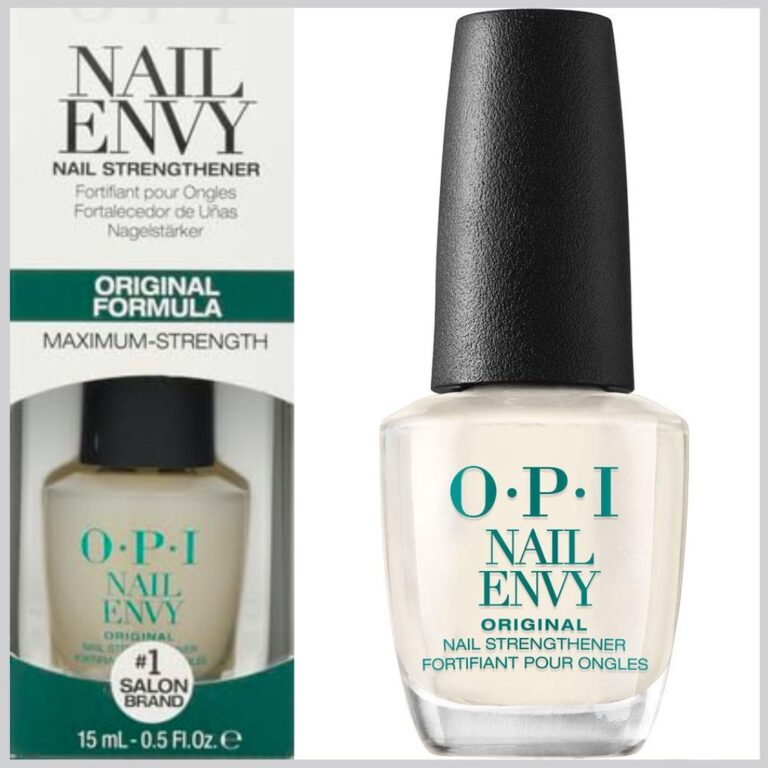
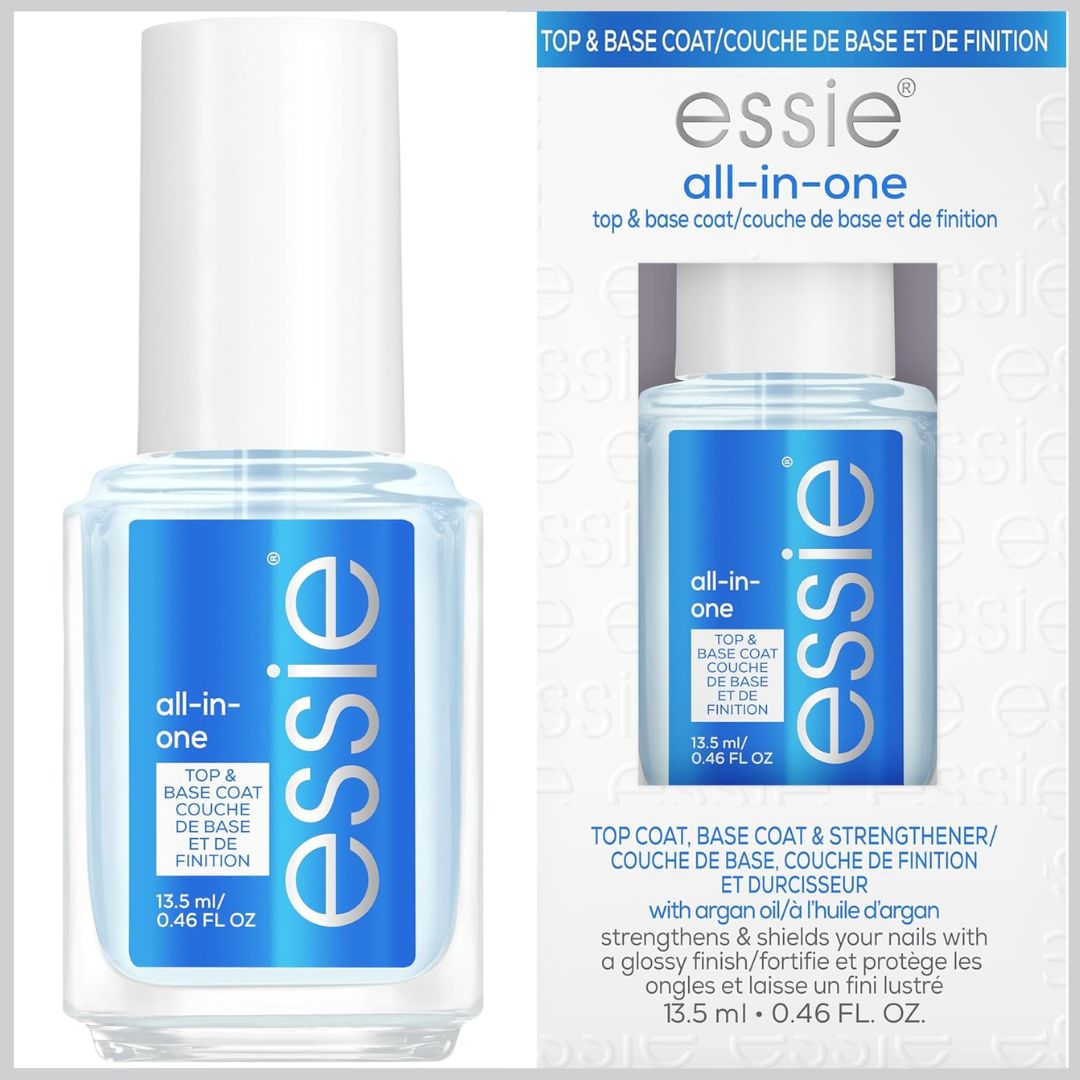
If you feel you need both types of benefits, look for hybrid products that combine strengthening proteins with mild hardening agents. Many modern nail treatments fall into this category, offering structural improvement with some immediate hardening effect. Products like OPI Nail Envy or Essie Treat Love & Color strengthen while providing a protective hard coating.
The best approach is usually to start with a strengthener and give it time to work. If after six to eight weeks your nails are structurally better but still feel too soft, you can then consider adding a light hardening top coat occasionally for special occasions.
Ingredient Comparison
Understanding what’s in these products helps you make informed choices. Look for these ingredients in strengtheners: hydrolyzed keratin or protein for rebuilding structure, calcium and biotin for supporting nail growth, panthenol or vitamin B5 for flexibility and moisture, vitamin E and natural oils for conditioning, and amino acids for cellular repair.
Hardeners typically contain nitrocellulose in high concentrations for creating a hard film, formaldehyde or formaldehyde alternatives for cross-linking proteins, minimal conditioning agents since the goal is hardness not flexibility, and alcohol or other drying agents to remove moisture.
The more conditioning and nourishing ingredients you see in a formula, the more likely it is to be a true strengthener rather than a hardener.
How to Choose the Right Product
Start by honestly assessing your nail type and problems. Take a good look at your bare nails without polish. Are they soft and bendy, or hard but fragile? Do they peel in layers, or do they snap off cleanly? Are they dry and brittle, or soft and weak?
Consider your lifestyle factors as well. If your hands are frequently in water, you likely need strengthening with hydration rather than hardening. If you’ve recently removed gel or acrylic nails, strengthening is definitely the right choice. If you have a history of nail damage or chronic weakness, strengthening will serve you better long-term.
Read product labels carefully and look for the key ingredients that indicate whether something is truly a strengthener. Terms like “nail envy,” “nail repair,” and “protein treatment” usually indicate strengtheners, while “hard as nails,” “diamond strength,” and “maximum hardness” typically mean hardeners.
The Right Way to Use Strengtheners
To get the best results from a nail strengthener, start with completely clean nails free of any old polish, oil, or residue. Apply a thin coat to each nail, making sure to cap the free edge where splitting often begins. Follow the product’s specific instructions, as some recommend daily application while others suggest every other day.
Most strengtheners work best with consistent use over four to six weeks minimum. Don’t expect overnight results—you’re rebuilding nail structure, which takes time. Continue using the strengthener even after you see improvement, just reduce frequency to two or three times per week for maintenance.
Between applications, keep your nails and cuticles moisturized with oil or cream. This supports the strengthening process and prevents the dryness that can counteract your efforts. Protect your nails from harsh chemicals and excessive water exposure to maintain the benefits you’re building.
The Right Way to Use Hardeners (If You Must)
If you’ve determined that a hardener is truly what you need, use it cautiously and for limited periods. Apply the hardener according to package directions, but don’t exceed the recommended usage time. Most should only be used for two to four weeks maximum.
Watch carefully for signs of over-hardening like increased brittleness, white spots appearing on nails, or nails that crack rather than bend. If you notice any of these, discontinue use immediately. Always use extra moisturizer and cuticle oil when using a hardener to counteract the drying effects.
Plan to transition to a strengthener after your short-term hardener use. This helps maintain the improved appearance while building actual nail health. Think of hardeners as a temporary intervention rather than a long-term solution.
Common Mistakes People Make
One of the biggest mistakes is assuming that harder automatically means healthier. Many people use hardeners when they actually need strengtheners because they misunderstand what their nails need. Another common error is applying too much product, thinking more is better. Thick layers of strengthener or hardener can actually cause more problems than they solve.
Impatience kills many nail improvement efforts. People try a strengthener for a week, see no dramatic change, and switch to something else or give up entirely. Nail improvement takes time because you’re literally growing healthier nail from the base up.
Inconsistent application is another issue. Using a strengthener sporadically won’t give you results. Your nails need consistent support to rebuild their structure. Finally, many people continue using hardeners long after they should have stopped, leading to dry, brittle nails that are worse than when they started.
Professional Treatments vs At-Home Products
Nail salons offer professional strengthening treatments that can be more intensive than at-home products. Services like keratin treatments, silk wraps, and specialized protein treatments provide concentrated strengthening that you can’t replicate at home. These are particularly useful if your nails are severely damaged or if you need faster results for an event.
However, at-home strengtheners are perfectly effective for most people and cost significantly less. The key is consistency and choosing the right product for your needs. Professional treatments work best as an intensive boost, followed by at-home maintenance with quality strengtheners.
If you’re unsure what your nails need, consider consulting a nail technician or dermatologist. They can assess your specific nail condition and recommend whether you need strengthening, hardening, or treatment for an underlying issue.
Long-Term Nail Health Strategy
The ultimate goal isn’t just stronger nails right now but healthy nails for life. This means thinking beyond quick fixes and focusing on overall nail health. Build a routine that includes regular strengthening treatments, daily moisturizing of nails and cuticles, a balanced diet with adequate protein and nutrients, protection from water and chemicals, and breaks from polish and enhancements when possible.
Consider taking biotin supplements after consulting with your healthcare provider. While results take several months to appear, biotin can significantly improve nail strength from the inside out. Stay hydrated by drinking plenty of water—your nails reflect your body’s overall hydration status.
Avoid nail damage by keeping nails at a manageable length, using proper filing techniques, and resisting the urge to pick or bite nails. These habits, combined with the right strengthening products, create nails that are naturally strong and healthy.
The Bottom Line
For most people dealing with nail problems, a strengthener is the better choice. Strengtheners address the root cause of weak nails by rebuilding structure and improving flexibility, they can be used long-term without negative effects, they improve the quality of new nail growth, and they work with your nails’ natural structure rather than against it.
Hardeners have a place in nail care but should be reserved for specific situations like extremely soft nails that need temporary hardening or short-term use for special occasions. They should always be followed by a strengthening routine.
The healthiest approach to nail care focuses on building strong, flexible nails through proper strengthening, not just creating artificially hard nails that snap under pressure. Choose products based on your specific nail needs, commit to consistent use, and support your efforts with good overall nail care habits. Your nails will thank you with strength that lasts.
Have you used both strengtheners and hardeners? What were your experiences? Share your thoughts in the comments below!