Why Are My Nails Peeling? Causes & Fixes That Actually Work
Few nail problems are as frustrating as peeling nails. Just when you think your nails are finally growing, thin layers start separating from the nail plate, catching on everything and ruining your progress. You might notice your nails peeling in horizontal layers, the free edge splitting vertically, or the surface flaking away in papery sheets. This condition, medically called onychoschizia, affects millions of people and can stem from multiple causes ranging from simple dehydration to underlying health issues. The good news is that most nail peeling is fixable once you identify and address the root cause. Let’s explore why nails peel, how to determine what’s causing your specific problem, and the solutions that actually work to restore smooth, healthy nails.
Understanding How Nails Peel
Your nails aren’t solid single layers—they’re composed of multiple thin layers of keratin cells stacked and bonded together. When these layers lose their cohesion, they separate, creating the peeling you see. There are three main types of nail peeling, and identifying which type you have helps pinpoint the cause.
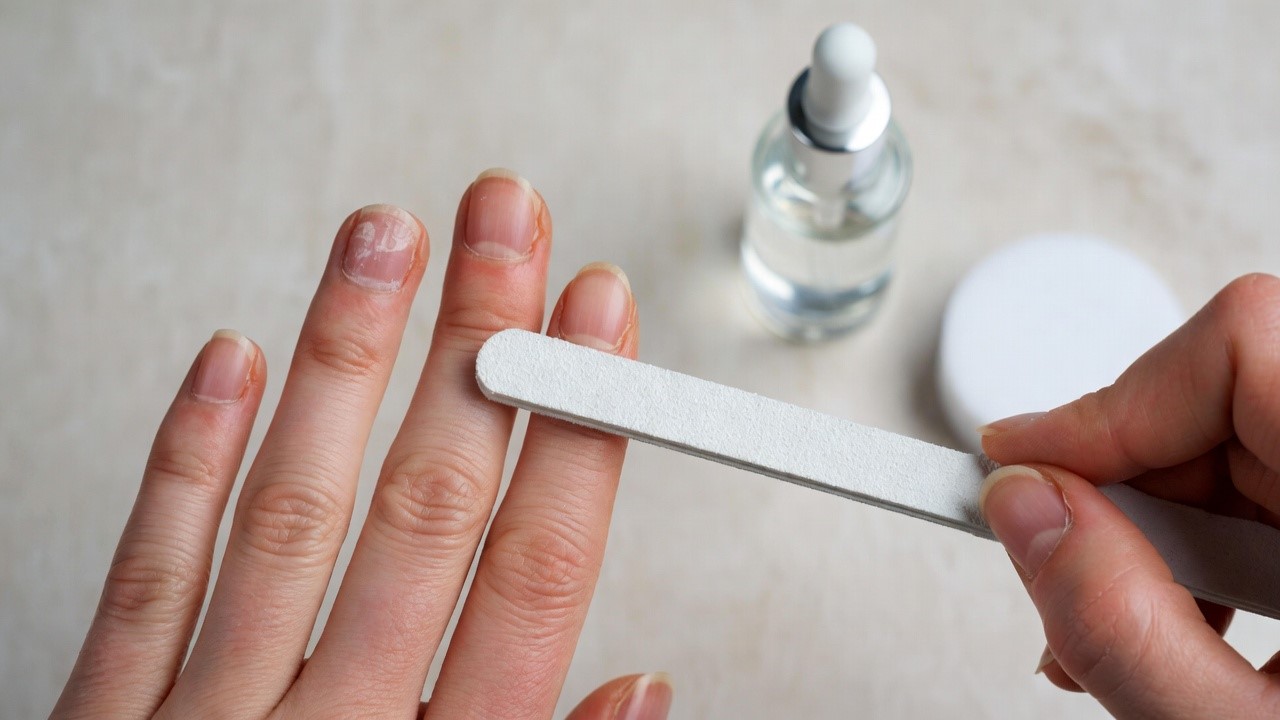
Horizontal peeling, also called lamellar dystrophy, occurs when nail layers separate parallel to the nail surface. The nail may look like it has layers flaking off, and pieces peel away in sheets. This is the most common type of peeling and usually indicates moisture imbalance or chemical damage.
Vertical splitting happens when nails split from the free edge toward the cuticle, creating lengthwise cracks. This typically indicates brittleness from dryness or nutritional deficiencies. The nail becomes inflexible and cracks under stress rather than bending slightly.
Surface flaking involves the top layer of the nail becoming rough and peeling away in small flakes. This often results from over-buffing, harsh polish removers, or external damage to the nail surface.
Understanding your peeling pattern provides clues about the underlying cause and helps you choose the most effective treatment approach.
The Most Common Cause: Moisture Imbalance
If you had to bet on one cause for nail peeling, moisture imbalance would be the safest bet. This doesn’t always mean too little moisture—it can also mean too much, or more commonly, constant fluctuation between wet and dry.
Your nails are approximately 18% water. When this moisture level drops too low, nails become brittle and the layers lose flexibility, leading to separation and peeling. Extremely dry nails can’t bend slightly to absorb stress, so they crack and peel instead.
The Wet-Dry Cycle
The wet-dry cycle is particularly damaging. When nails get wet, they absorb water and expand slightly. When they dry out, they contract. This constant expansion and contraction weakens the bonds between nail layers, causing separation and peeling. People who frequently wash their hands, do dishes without gloves, or work with their hands in water are particularly prone to this.
Environmental Factors
Low humidity environments accelerate nail dehydration. Winter indoor heating, dry climates, and air conditioning all pull moisture from nails. If your peeling worsens in winter or in air-conditioned spaces, environmental dryness is likely a major factor.
The Fix
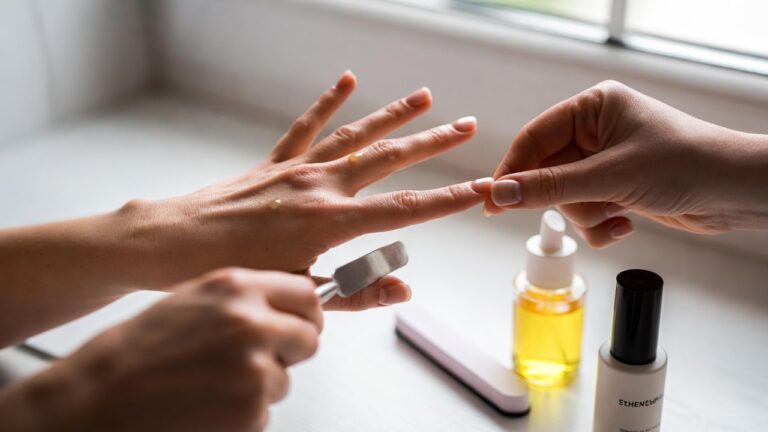
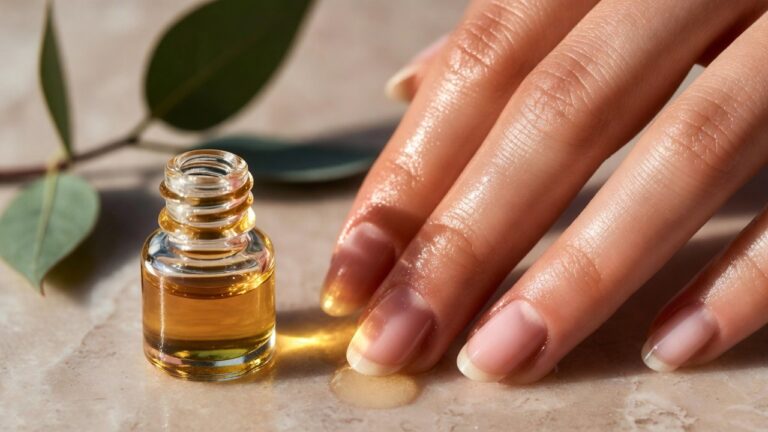
Apply cuticle oil at least twice daily—jojoba, sweet almond, or vitamin E oil work best. These oils penetrate the nail plate and seal in moisture. Massage the oil into your entire nail, not just cuticles, spending 30 seconds per hand to ensure absorption.
Wear gloves for all wet work—dishes, cleaning, hand washing beyond normal hygiene, gardening, anything involving prolonged water exposure. This single habit prevents the damaging wet-dry cycle that causes most moisture-related peeling.
Use a humidifier in dry environments, particularly in winter or if you live in an arid climate. Maintaining ambient humidity helps prevent nail dehydration.
Apply hand cream frequently throughout the day, making sure to work it into your nails and cuticles, not just your hands. Avoid hot water on hands when possible—hot water strips oils from nails faster than lukewarm water.
Chemical Damage: The Acetone Problem
Harsh chemicals are the second most common cause of nail peeling, and acetone-based nail polish remover is the biggest culprit. Acetone is an extremely effective solvent that removes polish quickly, but it’s also highly drying and strips natural oils from nails.
Using acetone remover frequently—more than once a week—causes cumulative damage. Each use removes more oils, and if you’re not replacing that moisture, nails become progressively drier and more prone to peeling.
Other Chemical Culprits
Harsh cleaning products, especially those containing ammonia, bleach, or strong solvents cause problems. Direct contact with these chemicals strips oils and moisture from nails. Even with gloves, some exposure occurs at the glove edges or through tears.
Nail products themselves can cause issues. Some nail polish brands contain particularly harsh chemicals. Strengtheners with formaldehyde or toluene can dry out nails. Gel polish and acrylic removal, even when done properly, involves acetone exposure that can trigger peeling in susceptible individuals.
The Solution
Switch to acetone-free nail polish remover for all regular polish removal. These take slightly longer to work but are much gentler on nails. Reserve acetone only for gel polish removal when absolutely necessary. Products like Zoya Remove+ or Ella+Mila Soy Polish Remover offer effective acetone-free options.
Limit polish changes to once weekly or less. If you must change polish frequently, take breaks where nails go polish-free for several days to recover.
When using any nail polish remover, apply cuticle oil immediately afterward to replace lost moisture. This single step significantly reduces damage from remover use.
Wear gloves for all exposure to cleaning chemicals, and choose gentler, less harsh cleaning products when possible. Natural cleaning alternatives like vinegar and baking soda are less damaging to nails than commercial chemical cleaners.
Take breaks from nail enhancements. If you wear gel polish or acrylics continuously, give your nails a break every few months. During breaks, focus intensively on moisturizing and repairing with oil treatments.
Over-Processing: Too Much of a Good Thing
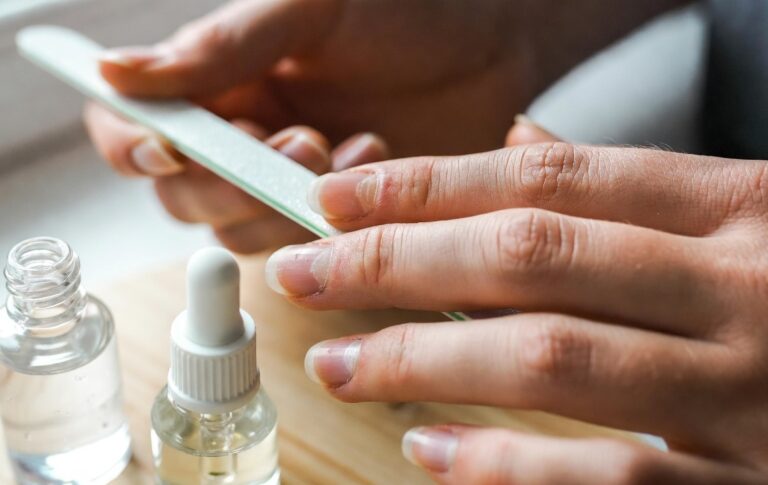
Ironically, excessive nail care can cause peeling. Over-buffing is a particularly common mistake. Buffing smooths the nail surface and removes ridges, but doing it too frequently or too aggressively thins the nail plate. Once thinned, nails become fragile and prone to peeling.
You should buff nails no more than once every 2 to 3 weeks, and even then, use only gentle pressure with a fine-grit buffer. The goal is light smoothing, not aggressive surface removal. If you can see nail dust accumulating, you’re buffing too hard.
Other Over-Processing Issues
Over-filing the nail surface—as opposed to just the free edge—damages the nail structure. File only the tips to shape nails, not the surface. The back-and-forth sawing motion many people use is particularly damaging. Always file in one direction, from side to center, using a quality glass nail file.
Aggressive cuticle work can damage the nail matrix, affecting the quality of new nail growth. Never cut living cuticles—only remove dead, already-detached skin. Harsh pushing or excessive manipulation of the cuticle area can impair the matrix’s ability to produce healthy nail layers.
Excessive use of strengtheners or hardeners can make nails too rigid. While these products help some people, overuse creates inflexible nails that crack and peel rather than bending slightly under stress.
The Fix
Do less. Reduce frequency of all nail treatments—buffing, filing, cuticle work, strengthener application. Handle your nails more gently. Let them recover between treatments.
Use a glass nail file instead of emery boards or metal files. Glass files create smoother edges and are less likely to cause splitting or peeling.
If you use strengtheners, follow the product’s recommended schedule exactly and take breaks. Products like OPI Nail Envy or Nailtiques Formula 2 should be used according to their specific protocols, not continuously without breaks.
Nutritional Deficiencies: The Internal Factor
Your nails reflect your internal health, and certain nutritional deficiencies manifest as peeling. Protein deficiency directly impacts nail health since nails are made of keratin, a protein. Inadequate protein intake means your body lacks the building blocks for strong nails.
Most adults need at least 0.8 grams of protein per kilogram of body weight, but optimal nail health may require 1.2 to 1.6 grams per kilogram. Include high-quality protein at every meal—eggs, fish, poultry, dairy, legumes, or plant proteins.
Biotin (Vitamin B7)
Biotin deficiency causes brittle, peeling nails. While true deficiency is relatively rare, suboptimal biotin levels are common. Studies show that biotin supplementation at 2.5 mg daily improves nail strength and reduces peeling in people with brittle nails, though results take 2-3 months.
Biotin supplements from brands like Nature Made, Natrol, or Sports Research provide the therapeutic dose needed for nail benefits.
Iron Deficiency
Iron deficiency causes multiple nail problems including peeling, brittle nails, and vertical ridges. This is particularly common in menstruating women, vegetarians, and people with absorption issues. Even mild iron deficiency can affect nail quality.
Include iron-rich foods like red meat, fortified cereals, spinach, and lentils. Pair plant-based iron sources with vitamin C for better absorption. If blood work reveals deficiency, iron supplements under medical guidance can resolve nail issues within months.
Omega-3 Fatty Acids
Omega-3 deficiency contributes to dry, peeling nails. These healthy fats are incorporated into cell membranes and help maintain nail flexibility. Fish oil supplements from brands like Nordic Naturals or Carlson Labs, or regular consumption of fatty fish, can improve nail quality.
Zinc
Zinc deficiency manifests as white spots on nails and peeling. Zinc is essential for protein synthesis and cell division in the nail matrix. Good dietary sources include oysters, beef, pumpkin seeds, and chickpeas. ZMA supplements or standalone zinc supplements can address deficiency.
The Fix
Ensure adequate protein intake at every meal. Consider biotin supplementation at 2.5 mg daily if you have chronically peeling nails. Get blood work to check for iron, vitamin D, B12, and thyroid levels—supplement based on actual deficiencies rather than guessing.
Include omega-3 sources regularly in your diet or take a quality supplement. Eat a varied, nutrient-dense diet that provides a wide range of vitamins and minerals.
Underlying Health Conditions
Sometimes persistent nail peeling signals underlying health issues that need medical attention. Hypothyroidism (underactive thyroid) commonly causes nail problems including peeling, brittleness, and slow growth. If nail peeling accompanies fatigue, weight gain, cold sensitivity, or dry skin, thyroid testing is warranted.
Psoriasis affects nails in about 50% of people with the condition, causing pitting, crumbling, separation, and peeling. Nail psoriasis can be challenging to treat but responds to medications that manage the underlying condition.
Fungal infections can cause nails to become thick, discolored, and prone to crumbling or peeling. If one or more nails are affected but others aren’t, and there’s discoloration or odor, fungal infection is likely. This requires antifungal treatment with products like Fungi Nail or prescription medications.
Lichen planus, an inflammatory condition, can affect nails causing thinning, ridging, splitting, and peeling. This autoimmune condition requires dermatological treatment.
The Fix
If your nail peeling is persistent despite good nail care, accompanies other symptoms, affects only one or a few nails (suggesting infection rather than systemic issue), or developed suddenly without obvious external cause, consult a healthcare provider.
Blood work and possibly dermatological evaluation can identify underlying conditions requiring medical treatment rather than just topical care.
Age-Related Changes
As we age, nails naturally become drier and more prone to peeling. Oil production in the nail bed decreases, and cells in the nail matrix divide more slowly, sometimes producing lower-quality nail layers that don’t bond as well.
These age-related changes aren’t reversible, but they’re manageable. Older adults need more intensive moisturizing than younger people—applying oil three times daily instead of twice, using richer oils like castor or argan, and taking extra care to protect nails from dehydration.
The wet-dry cycle becomes even more damaging to aging nails. Strict glove use and meticulous drying after hand washing become essential.
Age-related nail changes require adapted expectations. Nails may never return to the quality they had at age 20 or 30, but they can be healthy and attractive for your current age with appropriate care.
Medication Side Effects
Certain medications affect nail health and can cause peeling. Retinoids used for acne or anti-aging cause dryness throughout the body, including nails. Users often experience peeling, brittleness, and increased nail fragility.
Some beta-blockers, chemotherapy drugs, and antibiotics affect nail health. If nail peeling started after beginning a new medication, the drug might be responsible.
Don’t stop prescribed medications without medical advice, but discuss nail side effects with your healthcare provider. Sometimes dosage adjustments or timing changes can reduce nail problems.
The Step-by-Step Fix for Peeling Nails
Here’s a comprehensive treatment plan that addresses the most common causes.
Immediate Actions (Start Today):
- Apply cuticle oil twice daily minimum (jojoba, sweet almond, or vitamin E)
- Wear gloves for all wet work starting immediately
- Switch to acetone-free nail polish remover
- Give nails a break from polish for at least one week
Week 1 Adjustments:
- Increase protein intake to at least 0.8 g/kg body weight
- Stay well-hydrated with adequate water intake
- Stop all buffing and surface filing temporarily
- Handle nails gently—no using them as tools
Weeks 2-4:
- Continue all previous habits
- Start biotin supplementation at 2.5 mg daily
- Apply hand cream after every hand washing
- Add omega-3s through food or supplements
- Use a humidifier if your environment is dry
Months 1-3:
- Maintain all established habits consistently (this is when people often quit)
- Take monthly progress photos to track improvement objectively
- Adjust routine based on what’s helping
- Consider blood work if no improvement is visible
Months 3-6:
- Should show clear improvement in nail quality
- New growth from the base should be healthier than older nail at the tips
- Continue successful habits indefinitely—nail health requires ongoing maintenance
What Doesn’t Work (Stop Wasting Your Time)
Let’s address ineffective “solutions” that waste time and money. Gelatin soaks or supplements don’t work despite persistent myths. The theory that gelatin strengthens nails because both contain protein is flawed. Any protein source works equally well, and gelatin offers no special nail benefits.
Base coats marketed as “peel preventers” might protect against further damage but don’t fix underlying causes. If your nails peel due to dehydration, a base coat won’t rehydrate them. These products like Orly Bonder or Sally Hansen Maximum Growth help prevent additional damage but aren’t cures.
Nail hardeners often worsen peeling by making nails too rigid. Inflexible nails crack and peel rather than bending slightly. Unless nails are genuinely too soft, hardeners usually cause more problems than they solve.
Excessive vitamin supplements beyond addressing deficiencies don’t help. Taking megadoses of vitamins won’t fix nail peeling unless you were deficient to begin with. Focus on good nutrition rather than supplement overload.
Simply waiting without making changes won’t help. Peeling nails don’t spontaneously improve—you must address the underlying cause.
Prevention: Stopping Peeling Before It Starts
Once you’ve fixed peeling nails, prevention keeps them healthy long-term. Maintain consistent moisturizing with cuticle oil daily even when nails look healthy. This preventative habit is much easier than fixing severe peeling.
Always wear gloves for wet work and chemical exposure. Make this a non-negotiable habit. Keep quality rubber gloves at every sink for convenient use.
Limit nail polish changes to once weekly or less, and take breaks from polish every few weeks to let nails breathe. File properly in one direction only with a glass file. Never saw back and forth.
Buff gently and infrequently—every 3 to 4 weeks maximum. Keep nails at a moderate length. Very long nails are more prone to trauma and peeling.
Maintain good overall nutrition with adequate protein, vitamins, and minerals. This supports nail health from within. Protect nails from extreme temperatures—both cold and heat can damage nails.
When Professional Help Is Needed
Consult a dermatologist if peeling persists despite 3 to 4 months of consistent treatment, nail peeling is accompanied by pain, redness, or swelling, only one or a few nails are peeling (suggesting infection or isolated damage), nails show dramatic changes like discoloration, thickening, or separation from the nail bed, or nail problems accompany other symptoms like fatigue, skin changes, or hair loss.
A dermatologist can diagnose nail-specific conditions, perform biopsies if necessary, prescribe stronger treatments if over-the-counter approaches fail, and identify underlying health issues manifesting in nails.
The Timeline for Improvement
Set realistic expectations about how long fixing peeling nails takes. In the first week, nails should feel more moisturized and less dry, though visible peeling continues.
By week 2, new peeling should slow or stop, but existing damage remains visible until it grows out. At one month, the nail base near cuticles should look healthier than the free edge. You’re seeing new, healthier growth beginning to emerge.
By 2-3 months, visible improvement becomes clear. New growth at the base is noticeably healthier than older nail at the tips. Less peeling overall occurs.
At 4-6 months, most or all of the damaged nail has grown out, replaced by healthier nail produced under better conditions. This is when results look most dramatic.
For complete regrowth, fingernails need approximately 6 months, toenails need 12 to 18 months. Don’t expect overnight miracles. Nail improvement is gradual. Consistent care over months produces results.
The Bottom Line
Nail peeling usually results from moisture imbalance, chemical damage, or a combination of factors. The good news is that it’s almost always fixable with the right approach.
The essential fixes that work for most people include daily cuticle oil application (twice minimum, three times better), wearing gloves for all wet work and chemical exposure, switching to acetone-free remover and limiting polish changes, ensuring adequate protein and considering biotin supplementation, and protecting nails from trauma and excessive filing or buffing.
Less common but important causes include nutritional deficiencies (particularly iron and zinc), underlying health conditions requiring medical treatment, and medication side effects needing professional guidance.
The key to success is consistency over time. Nail improvements take months, not weeks. Stick with your routine long enough for damaged nail to grow out and be replaced by healthy new growth.
Most people see significant improvement within 3 to 4 months of consistent treatment addressing the root causes. If you don’t see improvement in this timeframe, consult a healthcare provider to rule out underlying health issues.
Remember that prevention is easier than treatment. Once your nails are healthy, maintain the good habits—oil, protection, gentle care—to prevent peeling from returning. Your nails can be strong, healthy, and peel-free with the right care and enough time for healing.
What causes your nail peeling, and what solutions have worked for you? Share your experiences and tips in the comments to help others dealing with this frustrating problem!