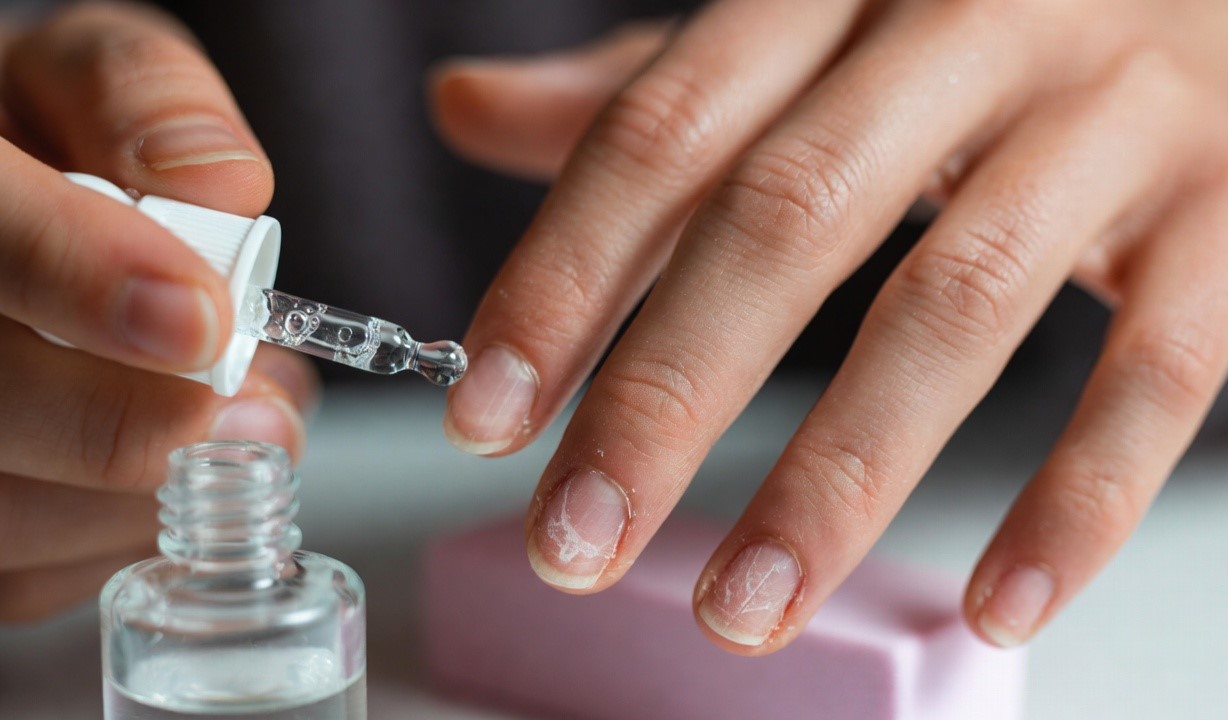
How to Repair Damaged Nails After Gel or Acrylic Removal
You’ve finally removed your gel polish or acrylic nails, and the reality underneath is shocking. Your natural nails are thin, weak, peeling, and possibly discolored. They feel papery and bend at the slightest pressure. You might be wondering if they’ll ever recover—and the answer is yes, they absolutely can. Damaged nails after gel or acrylic removal are extremely common, but with the right recovery strategy, most nails return to their pre-enhancement health within three to six months. The key is understanding what caused the damage, what your nails need most during recovery, and having the patience to let them heal properly. Let’s explore the most effective ways to restore your nails to strength and health.
Understanding the Damage
Before jumping into solutions, understanding what happened to your nails helps you provide the right treatment. Gel and acrylic applications involve multiple steps that can damage natural nails.
The preparation process for both gel and acrylic involves filing or buffing the natural nail surface to create texture for adhesion. This removes the top protective layer of your nail, thinning the nail plate. Aggressive preparation removes too much nail, leaving them dangerously thin and weak.
Gel polish requires a UV or LED lamp for curing. The heat generated during curing can cause the nail plate to dehydrate. Repeated exposure over months or years of continuous gel wear causes cumulative moisture loss, making nails brittle and prone to peeling.
Acrylic application uses a liquid monomer and powder polymer that form through chemical reactions directly on your nail. The chemicals themselves can be drying, and the weight of acrylic extensions can stress the natural nail underneath. Long-term wear sometimes causes the natural nail to become dependent on the artificial reinforcement.
The removal process often causes the most damage, especially when done improperly. Peeling or prying off gel or acrylic tears away layers of your natural nail. Even proper removal with acetone soaking is harsh—acetone is extremely drying and strips oils from nails. The filing required to remove product can accidentally remove natural nail if done too aggressively.
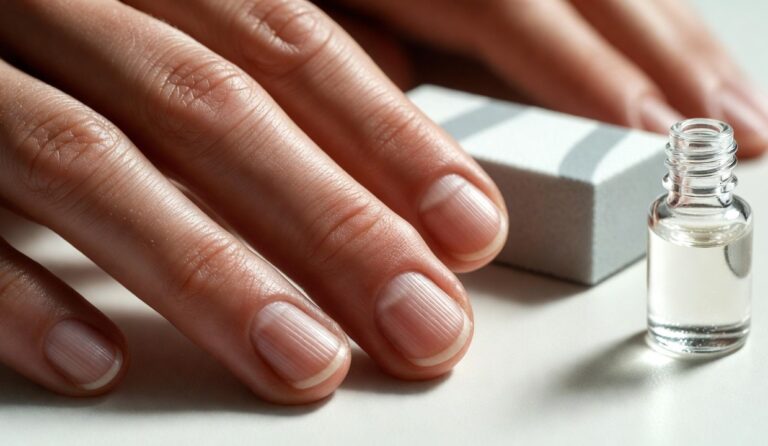
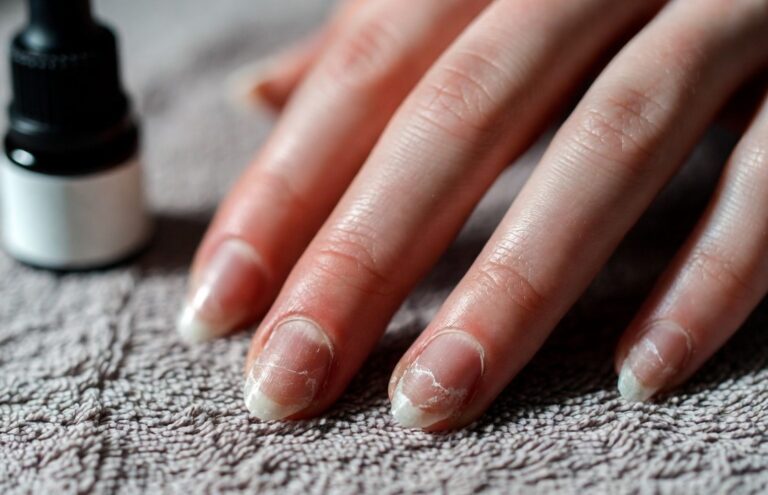
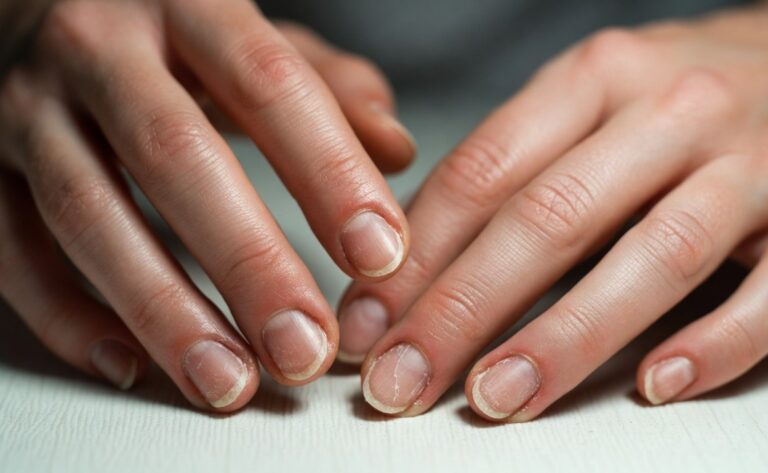
Common damage includes thin, flexible nails that bend easily, peeling or splitting in layers, brittleness and breaking, white spots or discoloration, ridges or uneven texture, and sensitivity or tenderness around the nail bed.
The good news is that all of this damage is temporary. Your nails grow from the matrix beneath your cuticle, and as long as the matrix wasn’t permanently damaged, healthy new nail will grow to replace the damaged portions.
The Recovery Timeline
Setting realistic expectations prevents frustration. Nail recovery takes time—there’s no quick fix. Understanding the timeline helps you stay committed to your recovery routine.
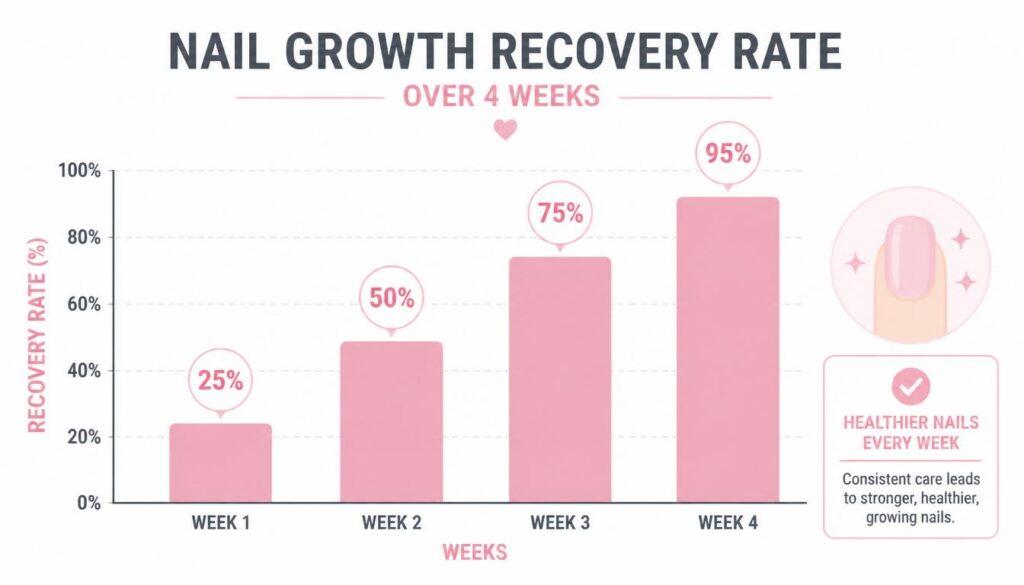
Week 1-2: Your nails will feel extremely weak and vulnerable. This is when they’re most prone to breaking. Focus on intensive moisture and protection. Don’t expect visible improvement yet—you’re preventing further damage and laying the foundation for healing.
Week 3-4: You should notice nails feeling slightly less dry and brittle. The new growth at the base might look healthier than the damaged nail at the tips. Continue intensive treatment consistently.
Month 2: Visible improvement appears. The new nail growing from your cuticles should be noticeably healthier—less peeling, better color, improved strength. The contrast between new growth and damaged nail becomes obvious.
Month 3-4: Substantial healthy nail has grown out. Most of the severely damaged nail has been replaced. Your nails should be significantly stronger and more resilient than when you first removed the enhancements.
Month 5-6: Complete or near-complete recovery. Your nails should be close to their pre-damage condition. Fingernails fully grow out in approximately six months, so this is when you see maximum results.
Toenails take 12 to 18 months for complete regrowth, so recovery from toe nail enhancements requires more patience.
Immediate Post-Removal Care (First 48 Hours)
The first two days after removal are critical. Your nails are in shock and need immediate nourishment and protection.
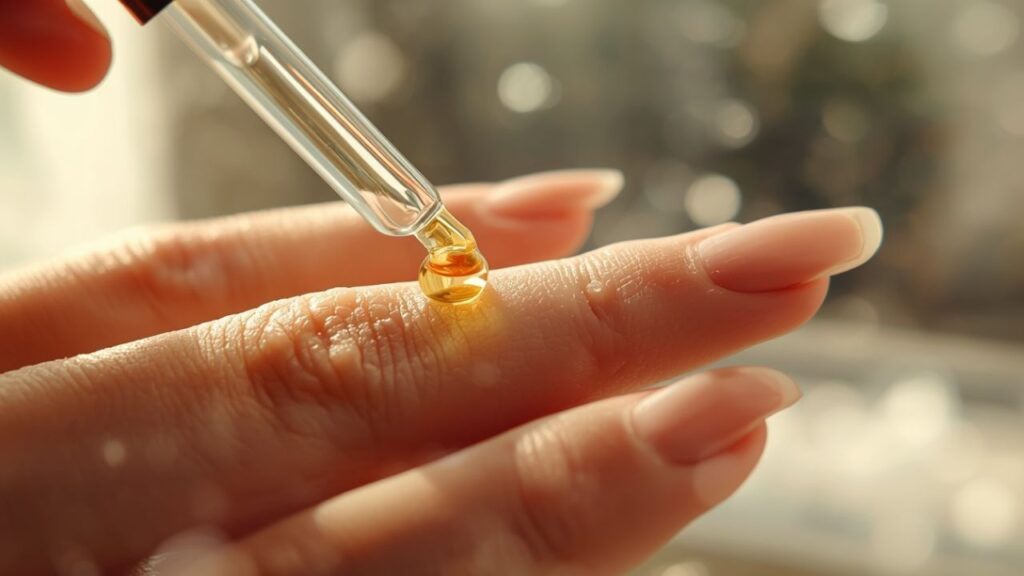
Intensive moisturizing should start immediately. Apply cuticle oil every 2 to 3 hours during waking hours. Use rich oils like vitamin E, jojoba, or argan oil. Massage thoroughly into the entire nail plate and cuticle area for at least 30 seconds per hand.
Before bed on removal day, do a warm oil soak. Heat jojoba or olive oil until comfortably warm, soak fingertips for 15 to 20 minutes, then apply additional oil and wear cotton gloves overnight. This intensive moisture treatment jumpstarts recovery.
Trim nails short immediately. Long nails are more likely to break when weak. Keep nails just past your fingertip—short enough to be protected but long enough to look neat. Use sharp nail clippers for clean cuts, then gently file edges smooth with a glass file.
Avoid all nail polish for at least one week, preferably two. Your nails need to breathe and absorb treatments. Polish and remover will further dry them. If you must wear polish for an event, use it for the event only, then remove it immediately after.
Gentle handling is essential. Wear gloves for any task involving water or chemicals. Don’t use your nails as tools. Type with fingertips instead of nail tips. Avoid any activity that could stress or break your fragile nails.
Don’t buff your nails for at least a month. They’re already too thin. Buffing removes more nail material you can’t afford to lose. Accept the surface imperfections temporarily—they’ll grow out.
The Essential Recovery Routine
After the first 48 hours, establish a consistent routine that you’ll maintain for at least three months. This routine is your nails’ healing protocol.
Morning routine: Apply cuticle oil to all nails and massage in thoroughly. Apply hand cream, working it into nails and cuticles. If needed, apply a nail strengthener (more on this below).
Throughout the day: Reapply cuticle oil at least twice more—midday and before dinner are good times. Keep a small bottle of cuticle oil in your purse, at your desk, or anywhere convenient. Apply hand cream after every hand washing.
Evening routine: Remove any nail strengthener or polish with acetone-free remover. Do a 5-minute warm water soak with a drop of oil added. Apply intensive cuticle oil or treatment cream. Massage thoroughly for 1-2 minutes per hand. Consider wearing cotton gloves overnight 2-3 times per week for intensive moisture treatment.
Weekly intensive treatment: Once or twice weekly, do a 15-20 minute warm oil soak. Use jojoba, olive, or coconut oil heated to comfortable warmth. After soaking, apply vitamin E oil from pierced capsules directly to nails for concentrated nourishment.
Consistency matters more than perfection. Applying cuticle oil twice daily every day produces better results than applying it five times daily for three days then forgetting about it.
The Best Products for Nail Recovery
While home remedies work well, certain products are specifically formulated for damaged nail recovery and can accelerate healing.
Nail strengtheners should be used cautiously. Choose gentle, moisturizing formulas rather than harsh hardeners. CND RescueRXx Daily Keratin Treatment is excellent for recovery—it penetrates deeply to rebuild nail structure from within. OPI Nail Envy Sensitive & Peeling formula is specifically designed for damaged nails and provides strengthening without excessive drying.
Avoid formaldehyde-based hardeners during recovery. Your nails need flexibility during healing, not rigid hardness that will cause them to crack.
Cuticle oils are your most important product. Pure jojoba oil absorbs exceptionally well and closely mimics natural skin oils. Solar Oil by CND is a commercial blend specifically formulated for nail recovery. Burt’s Bees Lemon Butter Cuticle Cream provides intensive overnight moisture in a non-oily formula.
Recovery creams offer targeted treatment. Barielle Nail Strengthener Cream combines moisture with strengthening ingredients. Essie Apricot Cuticle Oil is affordable and effective for frequent application.
Supplements support healing from within. Biotin at 2.5 mg daily improves nail thickness and reduces brittleness. Results take 2-3 months but are well-documented. A good hair, skin, and nails vitamin provides multiple nutrients that support nail recovery. Omega-3 supplements improve nail flexibility and moisture retention.
What NOT to Do During Recovery
Certain practices will derail your recovery or cause additional damage. Avoid these common mistakes.
Don’t get gel or acrylics again immediately. Your nails need at least three months of recovery, preferably six. Reapplying enhancements to damaged nails compounds the damage and prevents healing. If you absolutely must have artificial nails for a specific event, wait at least two months minimum.
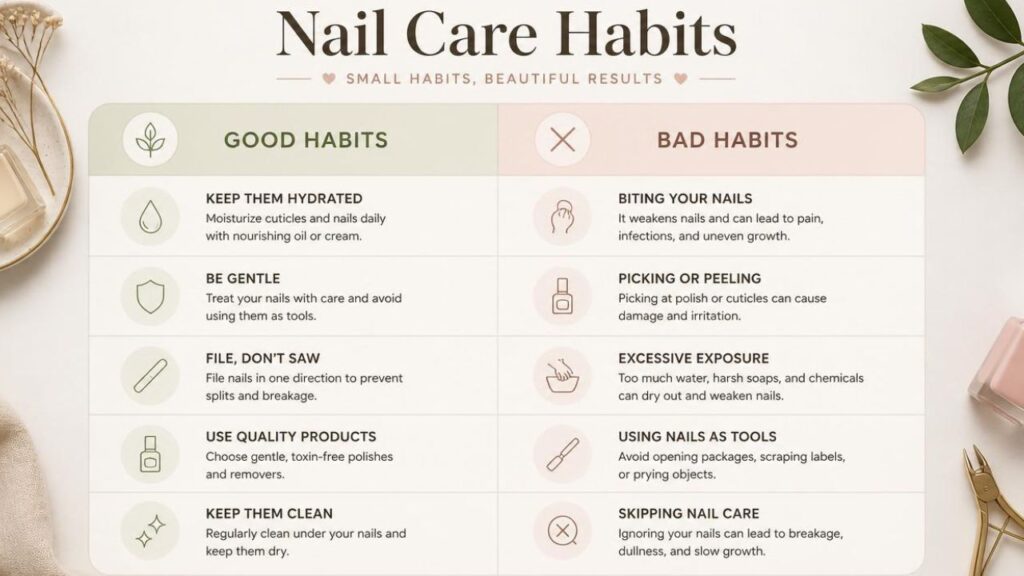
Don’t use acetone-based removers. These are far too harsh for damaged nails. Switch to acetone-free formulas and use them sparingly—only when necessary to remove polish. The less you use remover, the better.
Don’t over-buff or file aggressively. Your nails are already thin. Additional filing makes them thinner and weaker. File only to shape the free edge, never the nail surface. Use the lightest pressure possible and a fine-grit glass file.
Don’t pick or peel at your nails. When nails peel in layers, the urge to pull off the peeling pieces is strong. Resist. Pulling removes additional healthy nail. Instead, clip away loose pieces carefully with nail scissors.
Don’t skip the oil. Inconsistent moisturizing is the biggest reason recovery fails. Your damaged nails need constant moisture support. Missing days allows them to dry out again.
Don’t expect quick results. Impatience leads to abandoning recovery routines. Remind yourself that improvement takes months, not weeks. Stick with it.
Nutrition for Faster Recovery
What you eat significantly impacts nail recovery speed. Your body needs specific nutrients to produce healthy new nail cells.
Protein is essential since nails are made of keratin protein. Aim for at least 0.8 g/kg body weight, ideally 1.2-1.6 g/kg during recovery. Include high-quality protein at every meal: eggs, fish, poultry, dairy, legumes, or plant proteins.
Biotin supports keratin production. Besides supplements, food sources include egg yolks (cooked), almonds and other nuts, salmon, sweet potatoes, and avocados.
Iron deficiency delays healing and causes brittle nails. Include iron-rich foods like red meat, fortified cereals, spinach, and lentils. Pair with vitamin C sources for better absorption.
Zinc is crucial for protein synthesis in the nail matrix. Good sources include oysters, beef, pumpkin seeds, and chickpeas.
Omega-3 fatty acids improve nail flexibility and moisture. Eat fatty fish like salmon twice weekly or take a quality fish oil supplement.
Vitamin E supports nail repair and moisture retention. Found in nuts, seeds, and leafy greens, or take as a supplement.
Stay hydrated by drinking adequate water throughout the day. Nail hydration starts from within.
Dealing with Specific Damage Types
Different types of damage need targeted approaches. Here’s how to address specific problems.
For extremely thin, bendy nails: Use a strengthening treatment religiously. Keep nails very short to prevent breakage. Consider a silk or fiberglass wrap on particularly weak nails for temporary reinforcement while they grow stronger underneath. Apply multiple coats of ridge-filling base coat for added thickness and protection.
For peeling nails: Focus intensively on moisture. Apply cuticle oil at least three times daily. Do warm oil soaks 3-4 times weekly. Carefully clip away loose peeling pieces rather than pulling them. Consider taking omega-3 supplements for better layer cohesion.
For discolored nails: Yellowing is common after acrylic removal. It usually grows out naturally as new nail replaces discolored sections. Try gentle whitening with a paste of baking soda and water once weekly—not more frequently as it can be drying. If discoloration persists or worsens, consult a dermatologist to rule out fungal infection.
For ridged nails: Ridges from damage grow out within 3-4 months. Use ridge-filling base coats for cosmetic improvement meanwhile. Don’t buff—it removes nail you need. Ensure adequate protein and biotin intake to support smooth new growth.
For painful or tender nail beds: This indicates severe damage requiring extra gentleness. Avoid any pressure or stress on nails. Apply aloe vera gel to soothe inflammation. If pain persists or worsens, see a healthcare provider to rule out infection.
Temporary Cosmetic Solutions
While your nails heal, you might want them to look presentable. Here are safe options.
Ridge-filling base coats create a smoother surface without removing nail material. Apply 2-3 thin coats for best effect. These work well under sheer or neutral polish for a polished look.
Breathable nail polish allows oxygen and moisture to penetrate. Brands like Ella+Mila or Habit make formulas that don’t seal nails completely. Use these if you must wear polish during recovery.
Short, neat nails with pushed-back cuticles look well-groomed even without polish. Focus on good basic nail care rather than covering damage with products.
Press-on nails for special occasions offer temporary coverage without the damage of gel or acrylic. Apply with adhesive tabs rather than glue, and remove them after the event. Don’t wear them continuously—just for specific occasions.
Nail wraps made of silk or fiberglass can reinforce weak areas temporarily while providing coverage. These are less damaging than full enhancements if you need something for an extended period.
When to Seek Professional Help
Sometimes nail damage requires medical attention. Consult a dermatologist if you notice signs of infection like redness, swelling, pus, or severe pain around nails. If nails separate from the nail bed (onycholysis), this needs evaluation. Green discoloration suggests bacterial infection requiring treatment.
Fungal infections need prescription antifungals. If you suspect fungus—thickening, crumbling, or persistent discoloration—see a dermatologist. If nails don’t improve after 3-4 months of diligent care, professional evaluation can identify underlying issues preventing healing.
Severe allergic reactions to products used during enhancement application may require medical treatment and identification of the allergen to prevent future reactions.
Preventing Damage in the Future
Once your nails recover, you might want enhancements again. Here’s how to minimize damage.
Choose quality salons with properly trained technicians who prioritize nail health. Avoid places that use harsh preparation or removal techniques.
Take breaks between enhancements. Don’t wear gel or acrylic continuously for years. Take at least 3 months off every 6-12 months to let nails recover.
Insist on proper removal. Never peel or pick off gel or acrylic. Soak removal with proper acetone exposure is essential. If a salon suggests prying off product, go elsewhere.
Choose gel over acrylic when possible. Gel is generally less damaging than acrylic, especially to the nail surface. However, removal must still be done properly.
Keep enhancements shorter. Long extensions stress natural nails more than short ones. Moderate lengths cause less damage.
Maintain moisture even while wearing enhancements. Apply cuticle oil daily around the enhancement to keep your natural nail and cuticle healthy underneath.
The Mental Aspect of Recovery
Recovering from nail damage tests your patience. Your nails look terrible while healing, and progress feels slow. Remember that every day of care is growing healthier nail, even if you can’t see it yet. The damaged nail you see is temporary—healthy new nail is forming beneath your cuticles.
Take progress photos monthly rather than judging by memory. Visual documentation shows improvement that’s hard to notice day-to-day. Celebrate small victories like your first full week without breakage or the visible line between new healthy growth and old damaged nail.
Join online communities of people recovering from nail damage. Seeing others’ recovery journeys provides motivation and reminds you that healing is possible and worth the effort.
The Bottom Line
Repairing nails after gel or acrylic removal requires intensive moisture and patience. The essential elements are applying cuticle oil at least 2-3 times daily, taking biotin supplements at 2.5 mg daily, keeping nails short initially to prevent breakage, avoiding all enhancements for at least 3 months, using gentle, moisturizing strengtheners rather than harsh hardeners, protecting nails from water and chemicals with gloves, and giving the recovery process 3-6 months for complete healing.
Most nails make full recoveries within six months with consistent care. The damage isn’t permanent—your nails will grow back healthy and strong. The key is patience, consistency with your recovery routine, and resisting the temptation to reapply enhancements before nails have fully healed.
Start your recovery today with intensive moisturizing and protective care. In a few months, you’ll have strong, healthy natural nails you can be proud of. The temporary inconvenience of recovery is worth the long-term benefit of beautiful, undamaged nails.
Have you recovered from gel or acrylic damage? What worked best for you, and how long did full recovery take? Share your experiences to help others going through the same process!