
How to Fix Brittle Nails Fast: Home & Product Solutions
Brittle nails that snap at the slightest pressure are more than just frustrating—they’re painful, embarrassing, and seem impossible to grow past a certain length. Whether your nails crack horizontally across the middle, split vertically down the center, or crumble at the edges, brittleness prevents you from achieving the strong, beautiful nails you want. The good news is that brittle nails are fixable, and you don’t necessarily need expensive salon treatments or prescription medications. A combination of targeted home remedies and the right products can transform fragile nails into strong, flexible ones within weeks to months. Let’s explore the fastest, most effective solutions for brittle nails.
Understanding Brittle Nails: Dry vs Soft
Before jumping into solutions, understanding your specific type of brittleness helps you choose the most effective treatments. There are two main types of brittle nails, and they require different approaches.
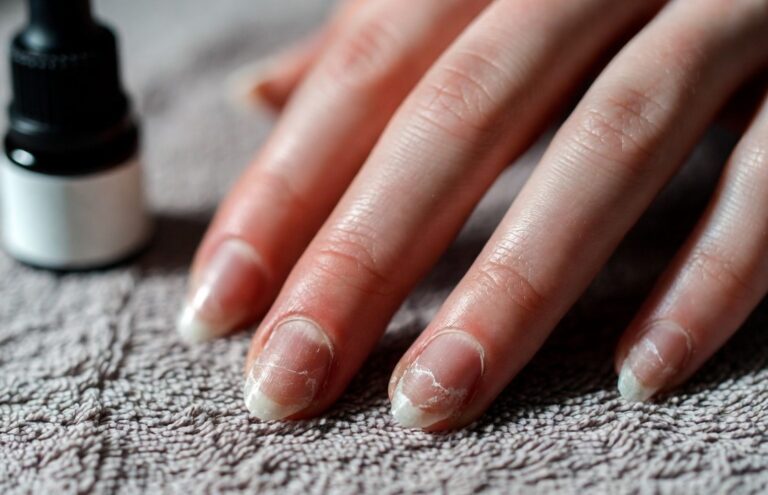
Dry brittle nails are hard and break easily. They feel rigid rather than flexible and tend to crack or snap cleanly under pressure. This type, called onychorrhexis, is the most common form of brittleness. It results from dehydration, either environmental or internal. The nails lack moisture and the flexibility that comes with it.
Soft brittle nails are overly flexible and tear easily. They bend excessively and split or peel rather than breaking cleanly. This type, called onychoschizia, often results from too much moisture exposure. The nails are waterlogged and weakened from constant wet-dry cycles.
Identifying your type guides treatment. Dry brittle nails need intensive moisturizing and hydration. Soft brittle nails need protection from water and treatments that strengthen without adding more moisture. Some people have combination brittleness with characteristics of both types.
For most people, dry brittleness is the problem, so we’ll focus primarily on solutions for that, though we’ll cover soft brittleness as well.
The Fastest Home Remedy: Oil Soaks
If you want visible improvement quickly, warm oil soaks are your answer. This simple treatment delivers intensive moisture deep into the nail plate, improving flexibility and reducing breakage within days.
Here’s how to do an effective oil soak. Heat a quarter cup of olive oil, jojoba oil, or coconut oil in the microwave for 10 to 15 seconds until warm but not hot. Test the temperature on your wrist—it should feel comfortably warm. Pour the oil into a small bowl and soak your fingertips for 15 to 20 minutes. Use this time to relax, watch TV, or read—just keep your fingers submerged.
While soaking, gently massage each nail, working the oil into the nail plate and cuticles. This massage improves circulation while helping the oil penetrate. After soaking, you can either wipe off excess oil or leave a thin layer on overnight for maximum absorption. If leaving oil on, wear cotton gloves to protect your bedding.
Do these soaks three times per week for the first two weeks, then reduce to once or twice weekly for maintenance. Most people notice softer, more flexible nails within a week of starting oil soaks. Brittleness and breakage decrease noticeably within two weeks.
The warm temperature is crucial—it opens up the nail plate slightly, allowing deeper oil penetration. Room temperature oil works but not as effectively. You can enhance the treatment by adding a few drops of vitamin E oil or a drop of tea tree oil for its antibacterial properties.
Daily Cuticle Oil: The Non-Negotiable Habit
While weekly oil soaks provide intensive treatment, daily cuticle oil application is what maintains improvement long-term. This is the single most important habit for preventing and fixing brittle nails.
Apply cuticle oil at least twice daily—once in the morning and once before bed. Three times daily is even better during intensive treatment phases. Use pure oils like jojoba, sweet almond, vitamin E, or argan oil, or quality commercial cuticle oil blends.
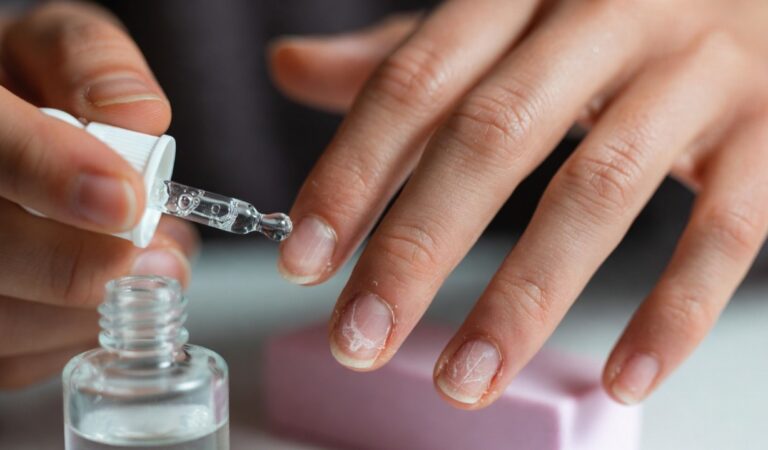
Put one drop on each nail and massage it thoroughly into the nail plate, cuticle, and surrounding skin. Spend at least 30 seconds per hand. The massage improves circulation and ensures the oil penetrates rather than just sitting on the surface.
Jojoba oil is particularly effective for brittle nails because its molecular structure closely resembles natural skin oils, allowing excellent absorption. It penetrates the nail plate better than many other oils, delivering moisture where it’s needed most.
Keep cuticle oil in multiple locations—beside your bed, at your desk, in your purse—to encourage frequent application. The more convenient it is, the more consistently you’ll use it. Consistency is what produces results. Sporadic application doesn’t fix brittleness.
Biotin Supplementation: The Internal Approach
While topical treatments work from the outside in, biotin works from the inside out. This B-vitamin supports keratin production—the protein your nails are made of—and has solid scientific backing for improving nail strength.
Take 2.5 milligrams (2,500 micrograms) of biotin daily. This is the dosage used in studies showing nail improvement. Most multivitamins contain only 30 to 100 micrograms, which isn’t enough for therapeutic effects. You need a dedicated biotin supplement.
The catch with biotin is patience. Don’t expect results for 2 to 3 months because you’re waiting for new, stronger nail to grow out from the base. The brittle nail you currently see won’t change—only new growth benefits. This timeline frustrates many people who quit too soon.
Research shows biotin is most effective for people with brittle nails characterized by splitting and cracking. If this describes your nails, biotin has a good chance of helping. Studies report 25% increase in nail thickness and significant reduction in splitting after several months of supplementation.
Biotin is water-soluble and generally safe, but high doses can interfere with certain lab tests including thyroid tests. Inform your healthcare provider if you take biotin before any blood work.
The Best Products for Brittle Nails
Sometimes home remedies need reinforcement from specialized products designed specifically for brittle nails. Here are the most effective options.
Nail strengtheners work by adding a protective layer that reinforces weak nails while often delivering strengthening ingredients. OPI Nail Envy is the gold standard—their Original formula works for most people, while the Dry & Brittle formula is specifically designed for moisture-depleted nails. Apply two coats initially, then one coat every other day for a week. Remove and restart the cycle.
Nailtiques Formula 2 is another excellent strengthener particularly effective for severely brittle nails. The protein-rich formula bonds nail layers together and adds strength. Follow the same application pattern as Nail Envy.
For very brittle nails needing intensive repair, CND RescueRXx Daily Keratin Treatment penetrates deep into the nail plate to repair damage from within. The keratin-rich formula works quickly—many people see improvement within a week or two.
Cuticle oil pens offer convenient, mess-free application. Sally Hansen Vitamin E Nail and Cuticle Oil comes in a pen applicator perfect for on-the-go use. Keep one at your desk and apply throughout the day. Burt’s Bees Lemon Butter Cuticle Cream provides intensive overnight moisture in a solid balm form that won’t spill.
For intensive moisture treatment, pure vitamin E oil capsules offer concentrated nourishment. Pierce a capsule with a pin and squeeze the oil onto your nails before bed. The thick consistency provides long-lasting moisture perfect for overnight treatment.
Protein Treatments: DIY and Commercial
Your nails are made of protein, and protein treatments can strengthen them from the outside. Commercial protein treatments include Barielle Nail Strengthener Cream, which combines protein with moisturizers for balanced strengthening without brittleness. Mavala Scientifique K+ Nail Hardener uses a protein-based formula that penetrates the nail to strengthen from within.
For DIY protein treatments, try an egg white soak. Whisk one egg white until slightly frothy, soak nails for 10 minutes, and rinse with lukewarm water. The protein in egg whites temporarily strengthens nails. Do this twice weekly. A yogurt and lemon mask combines protein from yogurt with the strengthening properties of lemon. Mix one tablespoon plain yogurt with one teaspoon lemon juice, apply to nails for 15 minutes, then rinse. Use once or twice weekly.
Hydration: Internal and External
Brittle nails often reflect overall dehydration. Your nails are approximately 18% water, and chronic dehydration makes them inflexible and prone to breaking.
Drink adequate water throughout the day—aim for eight 8-ounce glasses, more if you’re active or in dry climates. Pale yellow urine indicates good hydration while dark yellow suggests you need more water. The effects on nails aren’t immediate but within a few weeks of consistent hydration, nails become noticeably more flexible.
External hydration comes from moisturizing products. Apply hand cream after every hand washing, working it into nails and cuticles, not just hands. Use thick, rich creams at night—look for ingredients like shea butter, glycerin, and ceramides that lock in moisture.
Consider a humidifier in dry environments, particularly during winter when indoor heating dries the air. Maintaining ambient humidity prevents nail dehydration. Aim for 40 to 50% humidity in your living and working spaces.
Protection: Preventing Further Damage
While you’re treating brittle nails, protecting them from further damage is crucial. Even the best treatments fail if you continue exposing nails to damaging conditions.
Wear gloves for all wet work—dishes, cleaning, gardening, anything involving water or chemicals. The wet-dry cycle is extremely damaging to brittle nails. Expansion when wet and contraction when dry weakens nail structure and causes cracking and peeling. Keep gloves at every sink for convenient use.
Switch to acetone-free nail polish remover. Acetone is brutally drying and strips oils from nails, exacerbating brittleness. Acetone-free removers take slightly longer but are much gentler. Limit polish changes to once weekly or less.
Keep nails short while repairing brittleness. Shorter nails are less prone to breaking and give you a strong foundation. Once nails are stronger, you can gradually increase length. File properly using a glass file in one direction only—never saw back and forth, which creates micro-tears.
Avoid using nails as tools. Don’t pry, scratch, or pick with them. Use your fingertips instead of nail tips for typing and other tasks. Every instance of using nails as tools creates damage that accumulates.
Dietary Changes for Stronger Nails
What you eat directly impacts nail strength. Certain dietary changes can dramatically improve brittle nails from the inside out.
Increase protein intake to at least 0.8 grams per kilogram of body weight, ideally 1.2 to 1.6 grams per kilogram for optimal nail health. Include high-quality protein at every meal—eggs, fish, poultry, dairy, legumes, or plant proteins. Nails are made of protein and can’t be strong without adequate protein intake.
Include omega-3 rich foods like salmon, mackerel, sardines, walnuts, and flaxseeds. Omega-3 fatty acids improve nail flexibility and reduce brittleness. Aim for fatty fish twice weekly or take a quality fish oil supplement.
Eat iron-rich foods including red meat, fortified cereals, spinach, and lentils. Iron deficiency commonly causes brittle nails. Pair iron sources with vitamin C foods like citrus or tomatoes to enhance absorption.
Include zinc sources like oysters, beef, pumpkin seeds, and chickpeas. Zinc is essential for protein synthesis in the nail matrix. Deficiency manifests as white spots and brittle nails.
Don’t forget silicon-rich foods like cucumbers, oats, and green beans, which support nail strength and structure.
The Two-Week Intensive Treatment Plan
For fast results, follow this intensive two-week protocol combining the most effective treatments.
Days 1-3 involve starting biotin supplementation at 2.5 mg daily, doing warm oil soaks for 20 minutes (use olive, jojoba, or coconut oil), applying cuticle oil three times daily, and switching to acetone-free remover and removing all nail polish.
Days 4-7 continue biotin daily, do another warm oil soak, apply cuticle oil three times daily, start wearing gloves for all wet work, and increase protein and water intake.
Days 8-10 maintain biotin, do a third warm oil soak, continue cuticle oil three times daily, apply a strengthening treatment like OPI Nail Envy, and ensure consistent glove use and hydration.
Days 11-14 include biotin daily, doing a fourth warm oil soak, maintaining cuticle oil application, continuing strengthener if using one, and evaluating progress and adjusting routine as needed.
After this intensive two-week period, you should notice nails feeling more flexible and breaking less frequently. Continue biotin, reduce oil soaks to once or twice weekly, maintain twice-daily cuticle oil, and continue protective practices indefinitely.
Quick Fixes for Immediate Situations
Sometimes you need a temporary fix for an event or important occasion. These solutions don’t address underlying brittleness but provide short-term improvement.
Gel polish provides a protective coating that reinforces weak nails temporarily. It can get you through a week or two without breakage. However, don’t rely on this long-term—proper removal requires acetone, which worsens brittleness. Use sparingly for special occasions only.
Silk or fiberglass nail wraps reinforce weak areas and prevent cracks from spreading. These can be applied at home or in salons and provide temporary strength while nails heal underneath.
Press-on nails offer a quick solution for special events when your natural nails are too brittle to look good. Choose quality press-ons and apply with adhesive tabs rather than glue for easier, less damaging removal.
What Doesn’t Work (Stop Wasting Time)
Despite popular claims, some treatments don’t fix brittle nails. Gelatin soaks and supplements have no scientific support for nail strengthening. The idea that gelatin helps nails because both contain protein is flawed—any protein source works equally well, and gelatin offers no special benefits.
Nail hardeners often worsen brittleness by making nails too rigid. Inflexible nails crack under pressure rather than bending slightly. Unless your nails are genuinely too soft, hardeners usually cause more problems than they solve.
Rubbing garlic, lemon juice, or toothpaste on nails doesn’t strengthen them and can actually cause damage. Lemon’s acidity can dry nails further. Toothpaste contains abrasives that scratch nail surfaces.
For Soft Brittle Nails: The Different Approach
If your nails are soft and tear rather than snap, your treatment approach differs slightly. Reduce water exposure even more strictly—wear gloves religiously for any wet work. Use strengthening treatments that add firmness without moisture—products with calcium or keratin work well.
Avoid over-moisturizing, which worsens soft brittleness. Use lighter oils like jojoba rather than heavy oils like castor. Apply less frequently than you would for dry brittleness—once daily may be sufficient.
Consider a light protein treatment to add structure without excessive moisture. Barielle Nail Strengthener Cream works well for soft brittle nails because it balances strengthening with appropriate moisture levels.
When to See a Professional
Consult a dermatologist if brittleness persists despite 3 to 4 months of consistent treatment, one or more nails are dramatically more brittle than others (suggesting infection or isolated damage), nails show concerning changes like discoloration, thickening, or separation from the nail bed, or brittleness accompanies other symptoms like fatigue, hair loss, or skin changes.
A dermatologist can test for fungal infections, diagnose conditions like psoriasis or lichen planus affecting nails, order blood work to check for nutritional deficiencies or thyroid issues, and prescribe stronger treatments if over-the-counter approaches fail.
Timeline for Improvement
Set realistic expectations about how quickly brittle nails improve. Within one week of intensive treatment, nails should feel more moisturized and slightly more flexible, though breakage may still occur. By two weeks, new breakage should decrease as nails become more flexible and resilient.
At one month, visible improvement appears at the nail base near cuticles where new, healthier growth emerges. The difference between new growth and older brittle nail becomes apparent. By two to three months, substantial improvement is clear. New growth is noticeably stronger than old growth. Overall breakage decreases significantly.
At four to six months, most or all brittle nail has grown out, replaced by stronger nail produced under better conditions. This is when results look most dramatic. Complete fingernail regrowth takes approximately 6 months, so full transformation requires this much time.
Don’t expect overnight miracles. Nail improvement is gradual. Consistent effort over months produces real results while sporadic efforts fail.
Maintenance: Keeping Nails Strong
Once your nails improve, maintain good habits to prevent brittleness from returning. Continue cuticle oil at least once or twice daily for life—this becomes a permanent habit like brushing teeth. Keep wearing gloves for wet work always, not just during treatment phases.
Maintain adequate protein intake and overall good nutrition. Consider staying on biotin long-term if it helped significantly—many people maintain improved nail strength indefinitely with continued supplementation.
Take breaks from nail polish and enhancements every few weeks to let nails breathe. During breaks, focus extra attention on moisturizing and nourishing treatments.
Keep nails at a moderate length. Very long nails are more prone to breakage. Find the length where your nails remain strong and don’t constantly break.
The Bottom Line
Fixing brittle nails requires a multi-pronged approach combining intensive moisture treatments, protective practices, and nutritional support. The fastest improvements come from warm oil soaks three times weekly, daily cuticle oil application multiple times per day, biotin supplementation at 2.5 mg daily, wearing gloves for all wet work, and using a quality nail strengthener.
Most people see noticeable improvement within 2 to 4 weeks of consistent treatment, with dramatic transformation by 3 to 6 months as damaged nail grows out and is replaced by healthy new growth. The key is consistency—sporadic efforts don’t produce results.
Start today with warm oil soaks and daily cuticle oil. These two treatments alone can transform brittle nails if maintained consistently. Add biotin and protective practices for even better results. Be patient, stick with your routine, and in a few months, you’ll have the strong, flexible nails you’ve been wanting.
What treatments have worked for your brittle nails? How long did it take to see improvement? Share your experiences and tips in the comments!