
What Causes Nail Ridges? When to Worry & How to Smooth Them
Look closely at your nails and you might notice raised lines running either vertically from cuticle to tip or horizontally across the nail. These ridges are incredibly common—most people develop them at some point in their lives—but understanding what causes them, whether they’re harmless or concerning, and how to minimize their appearance can be confusing. Some ridges are simply a normal part of aging, while others signal nutritional deficiencies or health issues that need attention. Let’s explore the different types of nail ridges, what they mean for your health, when you should worry, and the most effective ways to smooth them for better-looking nails.
Understanding the Two Types of Ridges
Not all nail ridges are the same, and the distinction between vertical and horizontal ridges is crucial because they have different causes and implications.
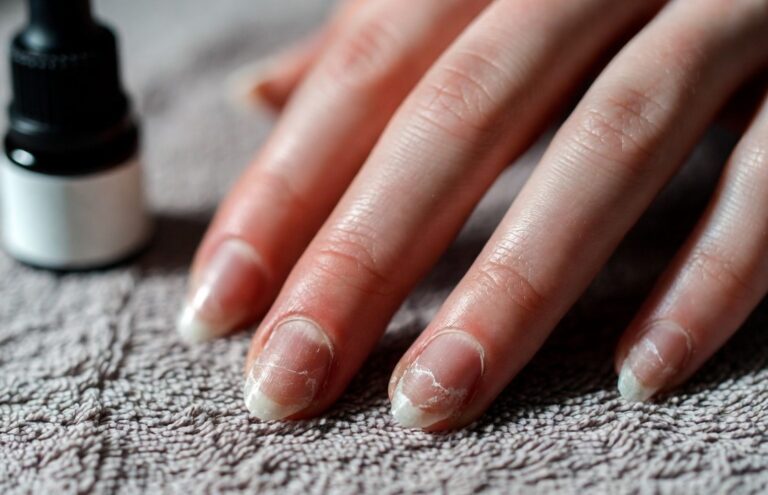
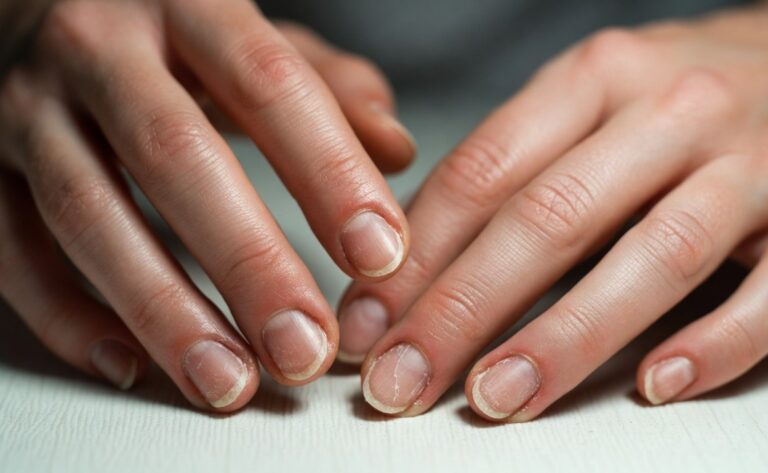
Vertical ridges, also called longitudinal ridges, run from the cuticle to the tip of your nail. They look like raised lines or grooves running the length of your nail. These are extremely common and usually harmless, increasing in prominence with age. Think of them like wrinkles for your nails—a normal part of the aging process for most people.
Horizontal ridges, called Beau’s lines, run across the nail from side to side. These are less common than vertical ridges and more often indicate an underlying issue. Horizontal ridges form when nail growth temporarily slows or stops, then resumes, creating a groove at the point where growth was interrupted.
The direction of your ridges is the first clue to their cause. Vertical ridges rarely require medical attention, while horizontal ridges warrant closer examination and possibly professional evaluation.
Vertical Ridges: Usually Harmless
If you have vertical ridges, you’re in good company—they’re incredibly common and increase with age. Here are the main causes.
Aging is the primary cause of vertical ridges. Just as skin develops fine lines and wrinkles with age, nails develop ridges. The nail matrix—the area beneath your cuticle where nail cells form—becomes less efficient with age, producing slightly uneven nail growth that manifests as ridges. Most people start noticing subtle vertical ridges in their 30s and 40s, with ridges becoming more pronounced through their 50s, 60s, and beyond.
These age-related ridges are completely normal and don’t indicate health problems. They’re aesthetic concerns, not medical ones. You can minimize their appearance, but they’re not dangerous or problematic.
Genetics play a role in how pronounced your vertical ridges are. Some people naturally have more prominent ridges even when young, while others maintain relatively smooth nails well into old age. If your parents have noticeable vertical ridges, you’re more likely to develop them too.
Dehydration can make vertical ridges more prominent. When nails lack adequate moisture, the uneven surface texture becomes more visible. Well-hydrated nails often show less obvious ridging than dry nails, even if the underlying structure is similar.
Trauma or injury to the nail matrix can create permanent vertical ridges in affected nails. If you’ve slammed a nail in a door, had surgery near your nail bed, or experienced other nail trauma, a vertical ridge might develop and persist indefinitely. If only one or two nails have ridges while others don’t, past trauma is a likely cause.
Eczema and psoriasis can affect nail texture and cause vertical ridging. People with these skin conditions often experience nail changes including ridges, pitting, and discoloration. Treating the underlying skin condition sometimes improves nail appearance.
Horizontal Ridges: Often More Significant
Horizontal ridges across your nails are less common and more often indicate that something temporarily affected nail growth. Here are the main causes.
Illness or high fever is a common cause. When your body fights a significant illness, it redirects resources to vital functions and temporarily slows non-essential processes like nail growth. After recovery, normal growth resumes, creating a horizontal ridge at the point where growth slowed. The ridge’s position on your nail can indicate approximately when the illness occurred—nails grow about 3mm per month, so you can estimate timing based on how far the ridge is from your cuticle.
Severe stress can trigger horizontal ridges. Major physical or emotional stress—surgery, severe illness, traumatic events—can temporarily disrupt nail growth. The stress response redirects body resources, affecting non-vital functions including nail production.
Nutritional deficiencies, particularly zinc deficiency, can cause horizontal ridges. Severe protein deficiency may also contribute. If you have horizontal ridges on multiple nails that appeared around the same time, nutritional deficiency is worth investigating through blood work.
Chemotherapy and certain medications that affect cell division can cause pronounced horizontal ridges since they impact rapidly dividing cells in the nail matrix. These ridges appear during treatment and grow out afterward.
Raynaud’s disease, which affects blood circulation to extremities, can cause horizontal ridges by temporarily reducing blood flow to the nail matrix during episodes. Poor circulation means inadequate nutrient delivery, slowing nail production.
Diabetes, particularly when poorly controlled, can cause Beau’s lines among other nail changes. Better blood sugar management often improves nail health.
The key characteristic of horizontal ridges is that they typically affect all or most nails simultaneously (unless caused by direct trauma to one finger). If you have a horizontal ridge on just one nail, localized trauma is more likely than a systemic cause.
When Ridges Are Warning Signs
Most nail ridges are harmless, but certain characteristics warrant medical evaluation. See a healthcare provider if you notice any of these concerning signs.
Deep horizontal grooves that severely indent the nail or cause nail separation from the nail bed require evaluation. Extremely pronounced Beau’s lines can indicate serious underlying conditions.
Ridges accompanied by other nail changes like significant discoloration (yellow, green, brown, or black), nail thickening or crumbling, nail separation from the nail bed, or pain and inflammation around nails suggest possible infection, psoriasis, or other conditions needing treatment.
Sudden appearance of multiple horizontal ridges without obvious cause (like recent illness) warrants investigation. This could indicate developing nutritional deficiencies, circulation problems, or other health issues.
Ridges with systemic symptoms like unexplained fatigue, weight changes, hair loss, or skin changes might indicate thyroid disorders, autoimmune conditions, or other systemic problems manifesting in nails.
Single dark vertical band or ridge, especially if new or changing, should be evaluated. While most vertical ridges are harmless, a dark vertical band can occasionally indicate melanoma (a serious skin cancer). This is rare but worth checking, particularly if the band is brown or black, appears on just one nail, is getting darker or wider, or has irregular borders.
Half-and-half nails where the nail bed closest to your finger appears white while the top portion appears pink or brown can indicate kidney disease and requires medical evaluation.
Don’t panic if you notice ridges—most are benign. But do consult a dermatologist or healthcare provider if ridges appear concerning or are accompanied by other worrying symptoms.
How to Smooth Vertical Ridges
While you can’t eliminate age-related vertical ridges completely, you can minimize their appearance significantly. Here are the most effective approaches.
Gentle buffing is the fastest way to smooth ridges. Use a fine-grit buffer (240 grit or higher) to gently smooth the nail surface. Buff in one direction, not back and forth, using light pressure. The key is moderation—aggressive buffing thins the nail plate and causes damage. Buff no more than once every 2 to 3 weeks, and only until ridges are less visible, not until nails are paper-thin.
Over-buffing is a common mistake. You want to lightly smooth the surface, not aggressively file it down. If you see nail dust accumulating, you’re buffing too hard. Stop when ridges are less prominent, not when they’re completely gone. Very aggressive buffing can make nails weak and prone to breakage.
Ridge-filling base coats create a smooth surface for polish application without removing any nail material. These products contain ingredients that fill in grooves and create an even surface. Apply ridge filler before colored polish for smoother-looking nails. Popular options include Orly Ridgefiller, Sally Hansen Ridge Filler, and OPI Ridge Filler.
Ridge fillers work best for mild to moderate ridging. Severe ridges may still show through somewhat, but the appearance improves significantly. For best results, apply two thin coats of ridge filler, allowing each to dry completely.
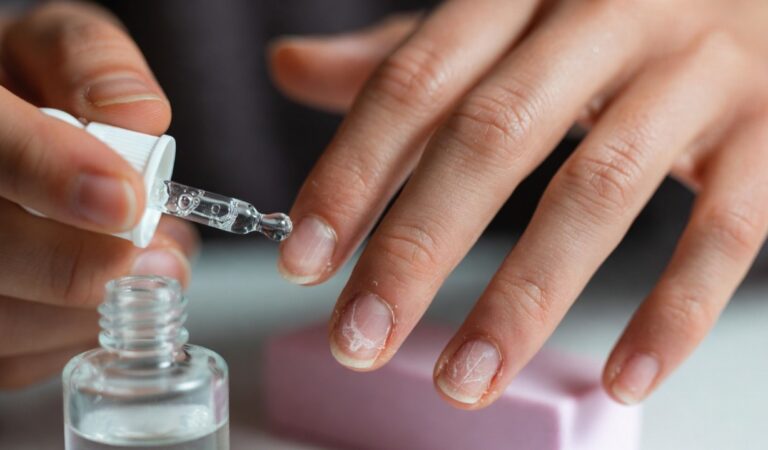
Moisturizing makes ridges less prominent even without buffing. Well-hydrated nails have smoother surfaces than dehydrated ones. Apply cuticle oil at least twice daily, massaging it into the entire nail plate, not just cuticles. Jojoba, vitamin E, and argan oil work particularly well.
Overnight moisture treatments provide intensive hydration. Apply thick oil or cuticle cream before bed, wear cotton gloves overnight, and do this 2 to 3 times weekly. Within a few weeks, nails appear smoother and ridges less prominent.
Nail strengtheners with smoothing properties can minimize ridge appearance while strengthening nails. OPI Nail Envy has slight filling properties that make ridges less visible. Nailtiques Formula 2 similarly smooths while strengthening.
Professional manicures can include gentle buffing and ridge smoothing. Nail technicians have experience with appropriate buffing pressure and technique. Getting professional smoothing every few weeks maintains results without over-buffing.
Addressing Horizontal Ridges
You can’t speed up the process of horizontal ridges growing out—they need to grow from your nail naturally, which takes 4 to 6 months for complete fingernail growth. However, you can prevent new ridges and improve nail health during the growth-out period.
Address underlying causes first. If ridges appeared after illness, focus on full recovery and good nutrition to support healthy new nail growth. If nutritional deficiency is suspected, blood work can identify specific deficiencies. Supplement or adjust diet accordingly.
If stress triggered ridges, implement stress management techniques. While you can’t eliminate stress entirely, better stress management prevents future nail growth disruptions. If medication caused ridges, discuss alternatives with your healthcare provider if possible.
Support optimal nail growth while ridges grow out. Ensure adequate protein intake (at least 0.8 g/kg body weight), stay well-hydrated, take biotin supplements (2.5 mg daily) to support healthy new growth, and keep nails moisturized with daily oil application.
Protect growing nails from damage. Keep nails relatively short while ridges grow out to prevent breakage. Wear gloves for wet work to avoid the damaging wet-dry cycle. File gently and avoid aggressive nail treatments.
Camouflage while waiting. Ridge fillers work on horizontal ridges too. Gel or dip powder manicures provide a smooth surface that hides ridges during the growth-out period, though these shouldn’t be relied on continuously as they require harsh removal.
Preventing Future Ridges
While you can’t prevent age-related vertical ridges, you can minimize their prominence and prevent some causes of horizontal ridges.
Maintain excellent overall health with balanced nutrition including adequate protein, vitamins, and minerals, regular exercise to support circulation and overall health, adequate sleep for repair and regeneration, and stress management through meditation, exercise, therapy, or other effective techniques.
Keep nails well-hydrated through daily cuticle oil application, weekly oil soaks in warm jojoba or olive oil, and hand cream application after every hand washing.
Protect nail matrix from trauma by treating cuticles gently, never cutting or excessively pushing them, avoiding using nails as tools, and wearing protective gloves for activities that might injure nails.
Address health conditions promptly. Manage chronic conditions like diabetes or thyroid disorders properly. Treat skin conditions like eczema or psoriasis that affect nails. Address circulation issues with your healthcare provider.
Be gentle with nails. Avoid over-buffing and excessive filing. Use acetone-free removers and limit polish changes. Take breaks from gel and acrylic enhancements. Give nails time to recover between treatments.
Supplements and Nutrition for Smoother Nails
Proper nutrition supports healthy nail growth and may reduce ridge severity. Biotin at 2.5 mg daily can improve nail texture and reduce ridging over several months. Studies show biotin strengthens nails and may smooth texture in people with deficiencies or suboptimal levels.
Protein is essential since nails are made of keratin protein. Aim for 1.2 to 1.6 g/kg body weight from eggs, fish, poultry, dairy, legumes, or plant proteins.
Vitamin B12 deficiency can cause nail ridges and darkening. Ensure adequate B12 intake through animal products or supplements if vegetarian/vegan.
Iron deficiency commonly causes brittle nails and may contribute to ridging. Blood work can confirm status. If deficient, supplement under medical guidance.
Zinc supports protein synthesis in the nail matrix. Deficiency can cause horizontal ridges and white spots. Good sources include oysters, beef, pumpkin seeds, and chickpeas.
Omega-3 fatty acids from fatty fish, walnuts, or supplements support nail health and may reduce inflammation that contributes to some ridge formation.
A varied, nutrient-dense diet generally provides adequate nutrition for healthy nails. Targeted supplementation makes sense if blood work reveals specific deficiencies or if you have chronic ridging despite good general nutrition.
The Professional Treatment Option
If home treatments don’t achieve the results you want, professional options exist. Professional buffing and smoothing by experienced nail technicians provides more aggressive smoothing than most people safely achieve at home. Technicians understand proper buffing pressure and technique to smooth ridges without over-thinning nails.
Medical treatments for underlying conditions improve nail appearance. If psoriasis, eczema, or other conditions cause ridging, dermatological treatment of the root cause improves nails.
Prescription treatments exist for some nail conditions. Dermatologists can prescribe topical or oral medications if ridges result from treatable nail diseases.
Cosmetic camouflage through professional gel or acrylic application creates smooth-looking nails while natural nails grow out underneath. Use this option sparingly since regular removal can damage nails.
Common Mistakes to Avoid
Many people inadvertently worsen ridges through common mistakes. Over-buffing is the biggest error. Aggressive or frequent buffing thins nails, making them weak and ironically often more ridged as the thinner nail becomes more flexible and uneven. Buff gently and infrequently.
Using harsh nail products like formaldehyde-based hardeners can make ridges more prominent by drying nails excessively. Dry nails show ridges more than hydrated nails.
Ignoring hydration means missing the easiest improvement method. Many people focus on buffing and products while neglecting simple daily oil application that would make ridges less visible.
Picking or peeling at ridged nails damages the nail plate and worsens appearance. Resist the urge to pick at uneven nail surfaces.
Assuming ridges are always harmless means potentially missing health issues. While most ridges are benign, new horizontal ridges or ridges with concerning features warrant evaluation.
Living with Ridges: The Realistic Perspective
For most people, especially those with age-related vertical ridges, complete elimination isn’t possible or necessary. These ridges are normal, harmless, and incredibly common. The goal is managing appearance, not achieving perfect smoothness.
Well-maintained ridged nails look better than neglected smooth nails. Focus on overall nail health—good length, clean cuticles, healthy nail beds, and proper moisture—and ridges become much less noticeable. A healthy, well-groomed nail with slight ridging looks better than a poorly maintained smooth nail.
Regular manicures help minimize ridge appearance. Clean, shaped nails with pushed-back cuticles and polished appearance draw attention to overall nail beauty rather than minor texture imperfections.
Accept that some degree of ridging is normal and doesn’t require fixing. It’s part of being human and having lived a life where your body shows natural wear. Many people find that once they accept ridges as normal aging, they stop being bothered by them.
The Bottom Line
Nail ridges are common, usually harmless, and manageable. Vertical ridges typically result from aging and aren’t concerning. Horizontal ridges more often indicate temporary disruption to nail growth from illness, stress, or other factors.
Most ridges improve with gentle buffing every 2 to 3 weeks, ridge-filling base coats, daily moisturizing with cuticle oil, good overall health and nutrition, and protecting nails from damage and dehydration.
See a healthcare provider if ridges appear suddenly with no obvious cause, are very deep or cause nail separation, are accompanied by other concerning symptoms, include dark vertical bands that are new or changing, or are horizontal ridges that keep appearing repeatedly.
For the majority of people dealing with vertical ridges from aging, the solution is simple: gentle buffing occasionally, ridge filler when wearing polish, and daily moisturizing to minimize appearance. These ridges are cosmetic concerns, not health problems.
Horizontal ridges usually grow out within 4 to 6 months. Focus on preventing recurrence by addressing underlying causes and supporting healthy new nail growth.
Remember that perfect nails don’t exist—everyone has some degree of natural texture and variation. Well-cared-for nails look beautiful even with minor ridging. Focus on overall nail health rather than pursuing impossible perfection, and you’ll have nails you can feel confident about.
Do you have nail ridges? What type, and what solutions have worked for you? Share your experiences in the comments to help others dealing with this common nail concern!